
Microsoft Generative AI Research VP Set to Transition to OpenAI

Microsoft recently announced that Sebastien Bubeck, its vice president of Generative AI research, will be departing the company to join OpenAI, the organization behind the ChatGPT technology. This move underscores the ongoing evolution and competition within the AI landscape, particularly as companies race to develop more advanced artificial intelligence solutions. While specifics regarding Bubeck’s new position at OpenAI remain unclear, his expertise in generative AI is expected to significantly contribute to the company’s ambitious goals.

The transition comes at a time when Microsoft has been heavily investing in artificial intelligence, integrating AI capabilities into its products and services. Bubeck’s departure marks a notable shift within the tech giant, as he has been a key figure in shaping its AI research direction. A Microsoft spokesperson acknowledged Bubeck’s decision, emphasizing that the company looks forward to maintaining a collaborative relationship with him in his new role at OpenAI, highlighting the interconnectedness of the two organizations in the pursuit of advancing AI technologies.

Sebastien Bubeck’s work at Microsoft has focused on pushing the boundaries of generative AI, particularly in the areas of natural language processing and machine learning. His experience will be invaluable at OpenAI, which is at the forefront of developing advanced AI models. As OpenAI continues to innovate and expand its capabilities, Bubeck’s insights and leadership could play a crucial role in shaping the future of artificial general intelligence (AGI).

This development also reflects a broader trend in the tech industry, where talent mobility between leading companies is common, particularly in specialized fields like AI. As organizations seek to harness the potential of generative AI, the exchange of ideas and expertise will be essential for driving innovation. Bubeck’s transition is not just a significant change for Microsoft but also signals exciting possibilities for OpenAI as it strives to further its mission of ensuring that AGI benefits all of humanity.

Google Set to Revamp Play Store Listings with Updated Fixed Header and Enhanced Install Button

Google is reportedly enhancing the user experience on its Play Store with a redesigned layout that aims to simplify app installations. Currently, users often find themselves scrolling to the top of an app’s page to access the Install button, particularly if they are exploring lengthy descriptions. The upcoming update, as indicated by recent code changes, suggests that Google plans to implement a fixed header that will keep the Install button in view at all times, allowing for a smoother navigation experience.

The new design, first uncovered by Android Authority in version 43.1.19 of the Play Store, aims to enhance usability by making the app’s name and Install button persistently visible while scrolling through detailed app descriptions. This adjustment is expected to significantly improve the efficiency of app installations, as users will no longer have to scroll back up to initiate the download process, making it particularly beneficial for those who frequently browse apps with extensive information.

In addition to improving the installation process, the fixed header design may provide users with easier access to critical app details. This could encourage more informed decision-making as users can read through descriptions, reviews, and other information without losing sight of the essential action button. Keeping the Install button readily available may also streamline the browsing experience, leading to higher engagement rates and potentially increasing download numbers for app developers.

The introduction of this updated layout aligns with Google’s ongoing efforts to refine the Play Store experience for users. By prioritizing accessibility and usability, the company is making strides toward a more intuitive app ecosystem. This change could set a precedent for further enhancements in app store design, emphasizing the importance of user-centered features in digital marketplaces. As Google continues to roll out these updates, users can look forward to a more efficient and enjoyable experience when exploring new applications.

Blue Origin Postpones New Shepard NS-27 Launch Due to GPS System Malfunction

Blue Origin Delays New Shepard NS-27 Mission Due to GPS Malfunction

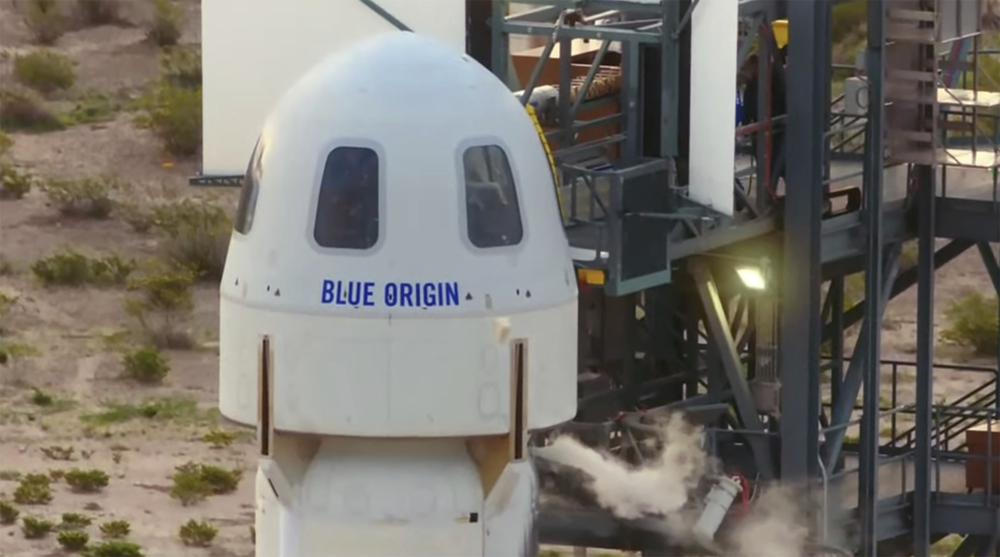
Blue Origin has announced a delay in the launch of its second human-rated New Shepard rocket, designated NS-27, due to a malfunction in the GPS system. The mission, which was initially scheduled for liftoff on October 13th at 9:27 AM EDT (6:57 PM GMT), aimed to send a newly developed rocket-capsule combination into suborbital space. This setback is particularly notable as it follows a previous cancellation just six days earlier, when the first launch attempt was aborted due to technical issues.

Company Statement on the Postponement

In a statement shared via X (formerly Twitter), Blue Origin, the aerospace company founded by Jeff Bezos, communicated the reasons behind the postponement: “We’re standing down on today’s launch attempt to troubleshoot a GPS issue. New launch target forthcoming.” This delay raises concerns regarding the reliability of the systems that support the New Shepard program, which has successfully completed 26 missions to date, including eight that carried astronauts into space.

Significance of the NS-27 Mission

The NS-27 mission holds particular significance as it marks the introduction of Blue Origin’s second human-rated vehicle. This updated rocket features various enhancements aimed at improving both its performance and reusability. Additionally, the new vehicle boasts an updated exterior and provisions for accommodating additional payloads. While this mission will be uncrewed, it is designed to carry 12 research payloads, including advanced navigation systems that are not only relevant to New Shepard but also intended for integration with Blue Origin’s larger New Glenn rocket.

Looking Ahead: Future Launch Plans

As the team at Blue Origin works to resolve the GPS malfunction, the company remains focused on its commitment to safe and reliable spaceflight. The postponement highlights the rigorous standards that Blue Origin maintains in its launch operations, prioritizing system integrity over adhering to a predetermined schedule. The aerospace community will be keenly watching for the announcement of a new launch date, as the NS-27 mission promises to further advance the capabilities of suborbital flight and pave the way for future missions that could eventually carry astronauts to new frontiers in space exploration.