Amazon Great Republic Day Sale 2025: Top Discounts on High-End Laptops

The Amazon Great Republic Day Sale 2025 has officially kicked off in India, offering shoppers massive discounts of up to 75% on a variety of products, particularly in the electronics and accessories categories. This annual event, which began on January 13, is already creating a buzz with significant price cuts on a wide range of items. While Prime members enjoyed exclusive early access for 12 hours, the sale is now open to all customers, making it the perfect opportunity for bargain hunters to grab their favorite deals.

Among the many categories available, premium laptops are drawing particular attention. Whether you’re a professional in need of a high-performance machine or a student looking for a reliable and sleek device, the sale offers an impressive selection of laptops from top brands. Shoppers can take advantage of the heavy discounts and grab some of the best models in the market at much lower prices. These laptops feature the latest technology, powerful processors, and enhanced features, making them ideal for work, gaming, and entertainment.

In addition to the sale discounts, Amazon is sweetening the deal with extra savings through exclusive coupons and bank offers on select products. These added incentives allow buyers to enjoy even greater reductions, making the premium laptops even more affordable. This combination of discounts and offers ensures that customers can get the best possible value for their money during the ongoing sale.

With a wide array of options available, the Amazon Great Republic Day Sale is undoubtedly a great time to invest in a high-end laptop. Don’t miss out on the chance to shop and save on some of the latest and most advanced models, as these deals are only available for a limited time.
TikTok Appeals to US Supreme Court in Final Attempt to Prevent Ban

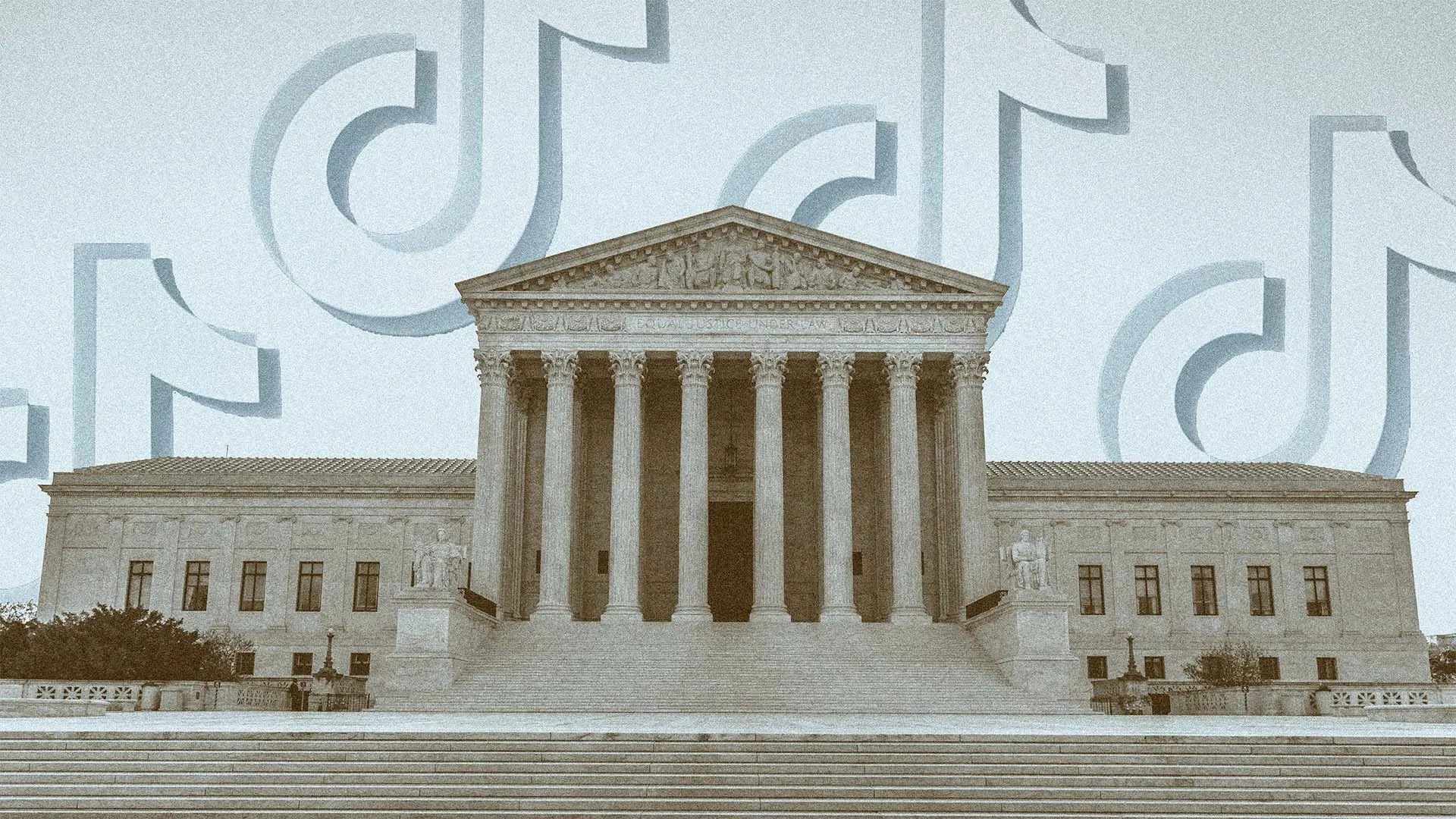
TikTok has made a last-ditch attempt to prevent a potential ban in the United States by appealing to the Supreme Court. On Monday, the social media platform filed an emergency request seeking a temporary injunction to block a law that mandates its China-based parent company, ByteDance, to divest the app by January 19. If the company does not comply, the app could face a complete ban in the U.S. This move comes after a lower court upheld the law, and TikTok is now seeking to continue operations while appealing the decision.

In a coordinated effort, TikTok and ByteDance have asked the Supreme Court to intervene, with the goal of stopping the law from going into effect. The request was filed alongside a similar appeal from a group of U.S. TikTok users, who argue that the law unfairly targets the platform, which has become a key part of online social interaction for around 170 million Americans. The case has garnered significant attention due to the potential consequences for both users and the broader tech landscape in the U.S.

The law in question, passed by Congress in April, seeks to address concerns over national security. The Justice Department has argued that TikTok’s connection to China presents a significant risk, citing the app’s ability to collect vast amounts of personal data on U.S. users—ranging from locations to private messages. Authorities also claim that TikTok could be used to manipulate the content Americans are exposed to, potentially influencing political opinions and public perception in a way that serves the interests of the Chinese government.

As the legal battle continues, TikTok’s fate in the U.S. hangs in the balance. If the Supreme Court grants the injunction, it could temporarily delay the law’s enforcement, allowing TikTok to operate while further appeals are considered. However, if the Court declines, the company may be forced to comply with the divestiture deadline or face a nationwide ban, which would disrupt millions of users and businesses that rely on the app for communication, entertainment, and marketing.

Maruti Suzuki Announces Car Price Increase of Up to 4% in India, Effective January 2025

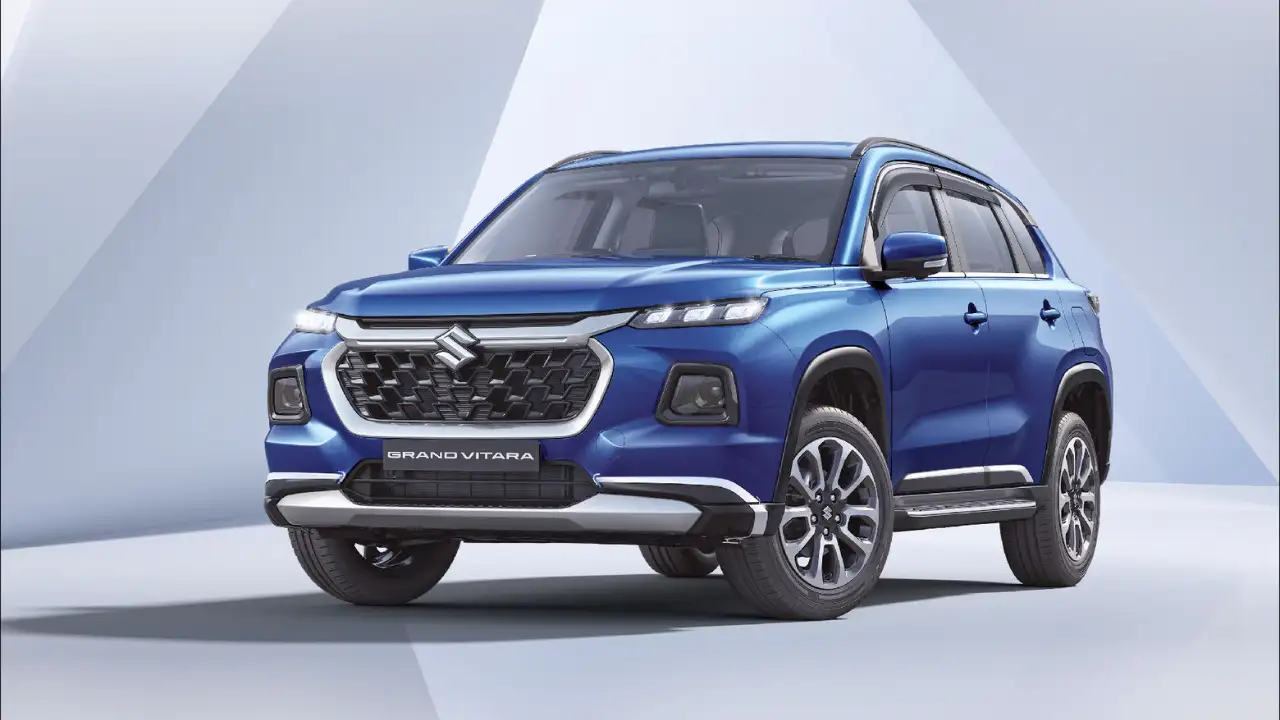
In response to increasing input costs and operational expenses, Maruti Suzuki India Limited has announced that it will raise prices across its vehicle lineup starting January 2025. The price hike, which could be as high as 4 percent, will vary by model, as stated in the company’s official announcement. This decision comes as part of Maruti Suzuki’s ongoing efforts to navigate the challenges posed by rising manufacturing costs while ensuring that customers continue to receive high-quality vehicles.

Despite the price increase, Maruti Suzuki emphasized that it remains committed to optimizing costs wherever possible in order to minimize the impact on consumers. However, the company acknowledged that it must pass on some of the rising costs to the market in order to maintain its operations and uphold the standards of quality that have become synonymous with the brand. The price hike reflects the broader pressures on the automotive industry due to inflationary factors and other economic challenges.

The announcement follows Maruti Suzuki’s positive sales performance in recent months. In November 2024, the company reported a total of 181,531 vehicle sales, with 144,238 units sold domestically. This marks a solid increase from 134,158 units sold in the same month the previous year. However, the company’s sales figures did show a month-on-month decline from October 2024, when it achieved 159,591 units. Despite this, Maruti Suzuki’s strong growth in passenger vehicle sales highlights the brand’s resilience in a competitive market.

Maruti Suzuki’s price increase comes in the wake of similar moves by other automotive giants in India. On December 5, 2024, Hyundai Motor India Limited (HMIL) announced a price hike of up to Rs. 25,000 for its Model Year 2025 vehicles, effective from January 1, 2025. HMIL attributed the hike to rising input, logistics, and transportation costs, further compounded by unfavorable exchange rates. Like Maruti Suzuki, Hyundai emphasized its efforts to absorb costs where possible but noted that the adjustment was necessary to mitigate the ongoing financial pressures facing the automotive industry.