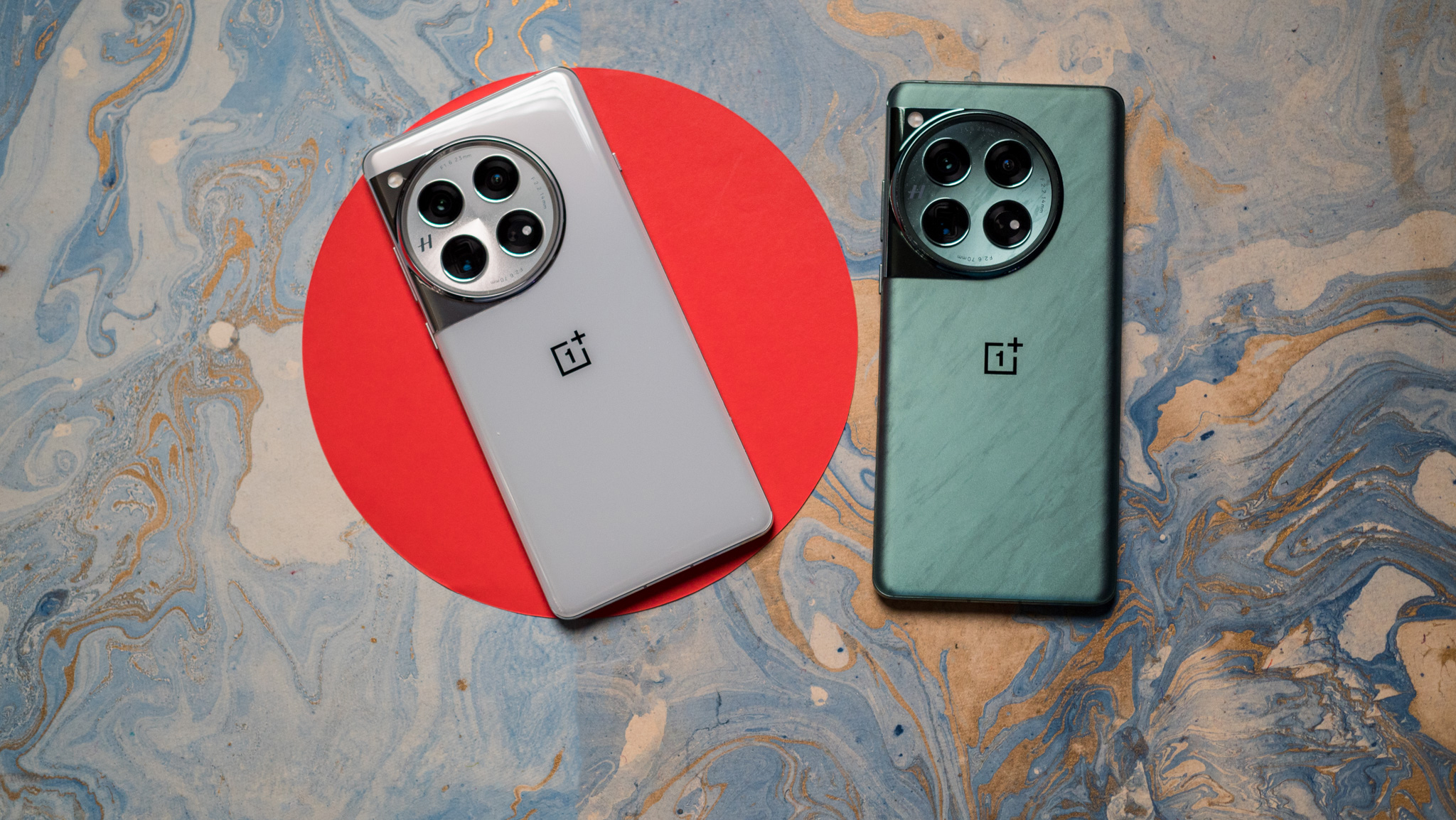
OnePlus 13 Expected to Feature Significant Battery Enhancements Compared to OnePlus 12, Says Tipster

The OnePlus 13 is set to launch in China later this month, and anticipation is building as a company executive recently teased a frontal image of the upcoming smartphone. As the formal announcement draws closer, tipster Yogesh Brar has revealed that the OnePlus 13 will feature a notable battery upgrade compared to its predecessor, the OnePlus 12. This enhancement is expected to bolster the device’s overall performance and user experience, solidifying OnePlus’s commitment to providing high-quality specifications.

According to Brar, the OnePlus 13 will be equipped with a robust 6,000mAh battery, a significant increase from the 5,400mAh battery found in the OnePlus 12. This upgrade is likely to enhance battery life, allowing users to enjoy extended usage without frequent recharges. Additionally, the new model is expected to maintain the fast-charging capabilities of its predecessor, supporting 100W wired charging and 50W wireless charging. This means that users can expect rapid recharging times, which is a hallmark of the OnePlus brand.

The OnePlus 13 is also rumored to be powered by the Snapdragon 8 Gen 4 chipset, which should provide a noticeable performance boost, especially in demanding applications and gaming scenarios. Alongside the powerful processor, the device is likely to feature a stunning 6.8-inch display with a 2K resolution, ensuring that users can enjoy vibrant visuals and sharp detail whether they’re watching videos or playing games. This combination of powerful hardware and a high-resolution display aims to create a premium user experience.

The charging capabilities of the OnePlus 13, as indicated in the latest leaks, align with what was previously reported about the device. The OnePlus 12 is already capable of charging from zero to 100 percent in around 37 minutes, and the upcoming model is expected to offer similar efficiency. With these advancements, OnePlus is positioning the OnePlus 13 as a formidable competitor in the high-end smartphone market, appealing to users who value performance and fast charging. As the launch date approaches, more details are likely to emerge, further illuminating the features and specifications of the OnePlus 13.

Google Reportedly Developing Reasoning AI in Response to OpenAI’s Advances

Google is reportedly developing artificial intelligence software aimed at emulating human reasoning capabilities, similar to OpenAI’s recent advancements. This marks a new phase in the ongoing competition between the tech titan and the rapidly emerging startup. According to sources familiar with the project, several teams within Alphabet Inc. have been making strides in creating AI reasoning software that excels at tackling complex, multistep problems, particularly in areas like mathematics and computer programming.

The drive towards creating reasoning models is seen as a crucial step forward in AI technology. Both Google and OpenAI are attempting to approximate human reasoning through a technique known as chain-of-thought prompting. This method, which Google originally pioneered, involves the AI pausing for a brief period before responding to a prompt. During this pause, the system evaluates a range of related queries behind the scenes, ultimately summarizing what it determines to be the most effective response. This approach aims to enhance the AI’s ability to provide coherent and logically sound answers to complex questions.

Despite the buzz surrounding this development, Google has chosen not to comment publicly on the ongoing efforts. This lack of information underscores the competitive nature of the AI landscape, where companies are keen to guard their innovations. The tech industry has seen an increasing focus on reasoning models as researchers aim to push the boundaries of what AI can accomplish, signaling a shift towards more sophisticated applications of the technology.

The rivalry between Google and OpenAI has intensified since the launch of ChatGPT, which has raised concerns among investors about the potential implications for Google Search. In response, Google has taken various steps to bolster its position in the AI arena, such as merging its research labs into the Google DeepMind unit and fostering closer collaboration between researchers and product teams. However, Google’s cautious approach to rolling out AI products reflects a broader consideration of ethical concerns, public trust, and the complexities of managing diverse AI initiatives within the organization. As both companies strive to lead the AI revolution, the quest for reasoning capabilities will be a pivotal battleground.

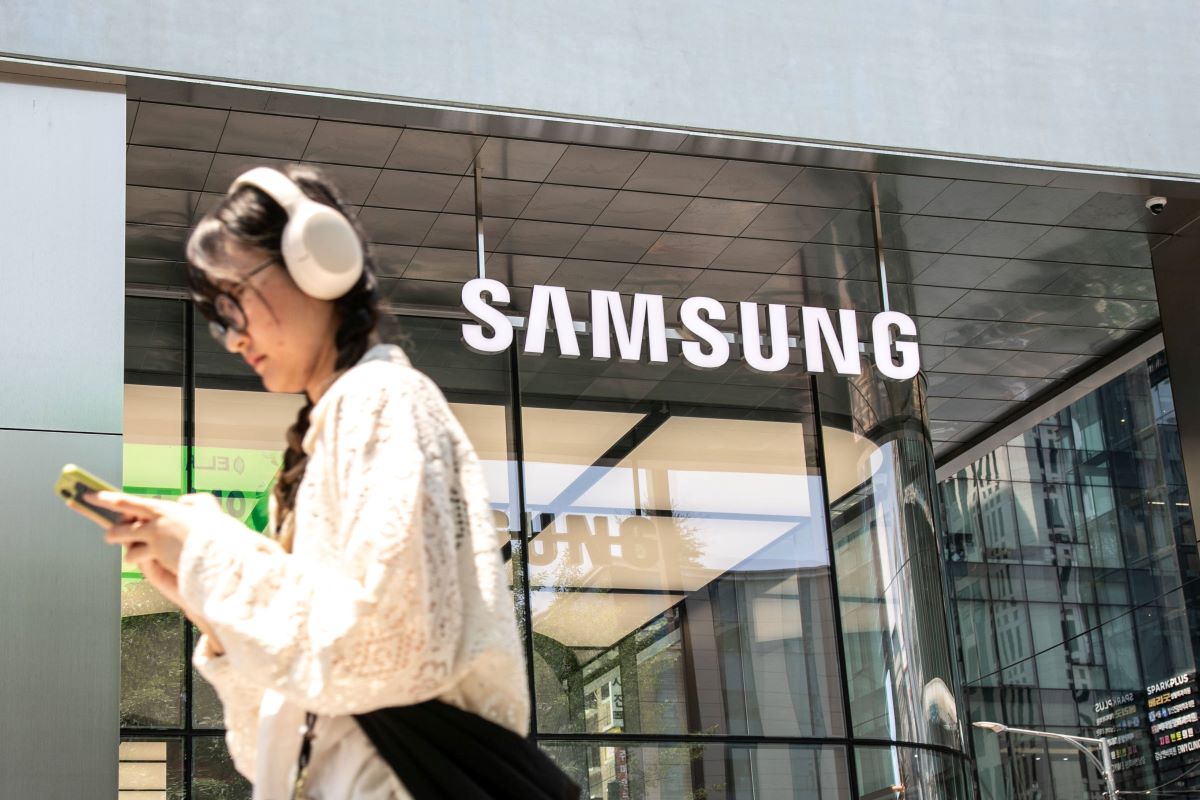
Samsung Reportedly Slashing Thousands of Jobs as AI Market Faces Challenges

Samsung Electronics Co. is reportedly initiating significant layoffs across its operations in Southeast Asia, Australia, and New Zealand as part of a broader strategy to cut its global workforce by thousands. Sources familiar with the situation indicated that the layoffs could impact around 10 percent of the employees in these regions, though the specific numbers may vary between subsidiaries. This move reflects the company’s response to ongoing challenges in the market, particularly in the competitive landscape of artificial intelligence (AI).

The decision to downsize is indicative of a shifting corporate strategy at Samsung, which currently employs approximately 147,000 workers abroad, representing over half of its total workforce of more than 267,800, as noted in its latest sustainability report. Despite the significant cuts planned for international markets, the company has clarified that it does not intend to implement layoffs in its home country of South Korea. This distinction may stem from the company’s commitment to maintaining its domestic workforce amidst global restructuring efforts.

Analysts suggest that the layoffs are largely driven by economic pressures and the need for Samsung to remain competitive in rapidly evolving technology sectors, particularly AI. As the demand for advanced technologies fluctuates, companies like Samsung must adapt by streamlining operations and reallocating resources. The layoffs could allow the company to focus on its core business areas and invest more heavily in future technologies, although they also signal a challenging environment for tech firms navigating market uncertainties.

While the specifics of the job cuts have yet to be officially announced, the potential impact on employees and local economies in affected regions cannot be overlooked. Many workers may face uncertainty about their job security and future prospects in the tech industry. As Samsung moves forward with its restructuring plans, the company will need to manage both the operational changes and the human elements of such significant workforce reductions. This situation highlights the broader trend within the tech industry, where companies are continuously adapting to new challenges while striving to remain at the forefront of innovation.