
Square Enix Plans to Bring Final Fantasy 16 to Xbox Following PC Launch

Final Fantasy XVI’s Xbox Release Remains Uncertain as Square Enix Prioritizes PC Version

Final Fantasy XVI, which initially launched exclusively for the PlayStation 5 in 2023, has now made its way to PC, much to the excitement of action-RPG fans. However, players on Xbox Series S and X are still left waiting, with no confirmed release date for the game on Microsoft’s consoles. Despite ongoing speculation and demand, publisher Square Enix has not yet provided a clear timeline for when—or if—the game will arrive on Xbox platforms. The lack of certainty around the release has led to both anticipation and frustration among Xbox users.

Naoki Yoshida, the renowned producer behind Final Fantasy XVI, better known as Yoshi-P, recently provided an update on the game’s potential Xbox port. In an interview with Video Games, Yoshi-P confirmed that Square Enix is indeed interested in bringing FFXVI to Xbox. However, the company is unable to offer any specifics regarding a release date at this time. “We do want to release it on Xbox,” Yoshida noted, “but when it comes to the specifics such as when the game would be available, we are not in a position to be able to share anything.”

Yoshida’s comments have sparked further discussions about the complexities involved in porting high-profile games to multiple platforms. The process of adapting a game like Final Fantasy XVI, which was designed to leverage the hardware capabilities of the PS5, can be challenging when transitioning to platforms with different technical specifications, such as the Xbox Series S/X. Although the Xbox Series X boasts performance on par with the PS5, the Xbox Series S’s lower hardware specifications may require additional optimization, potentially delaying the game’s release.

Square Enix’s focus on the PC version of Final Fantasy XVI has been apparent, with the company releasing the game on that platform last month. The decision to prioritize PC over Xbox could be attributed to the larger install base of PC players and the growing demand for high-end RPG experiences on that platform. The release of the PC version has already expanded the game’s audience, and Square Enix is likely gauging its performance before committing resources to an Xbox port.

While Xbox players may feel left out for now, Square Enix has shown a willingness in the past to support Microsoft’s consoles with Final Fantasy titles. Previous games in the franchise, including Final Fantasy XV and the Final Fantasy VII Remake Intergrade, eventually made their way to Xbox after timed exclusivity periods on PlayStation. This history suggests that an Xbox version of Final Fantasy XVI is not out of the question, but it may be part of a long-term strategy rather than an immediate priority for the publisher.

Ultimately, the question remains: when will Final Fantasy XVI come to Xbox? As of now, Square Enix has not provided a definitive answer. With Yoshi-P emphasizing that the company is still planning an Xbox release, fans can remain hopeful, though patience will be required. In the meantime, the focus remains on the PC version, and any Xbox release will likely depend on the continued success and reception of the game across existing platforms. For Xbox players eagerly awaiting the game, it seems that the wait will continue for the foreseeable future.
Ola Electric’s Market Leadership Declines Amid Intensifying E-Scooter Competition in India

Ola Electric’s Market Share Shrinks Amid Rising Competition and Service Network Issues

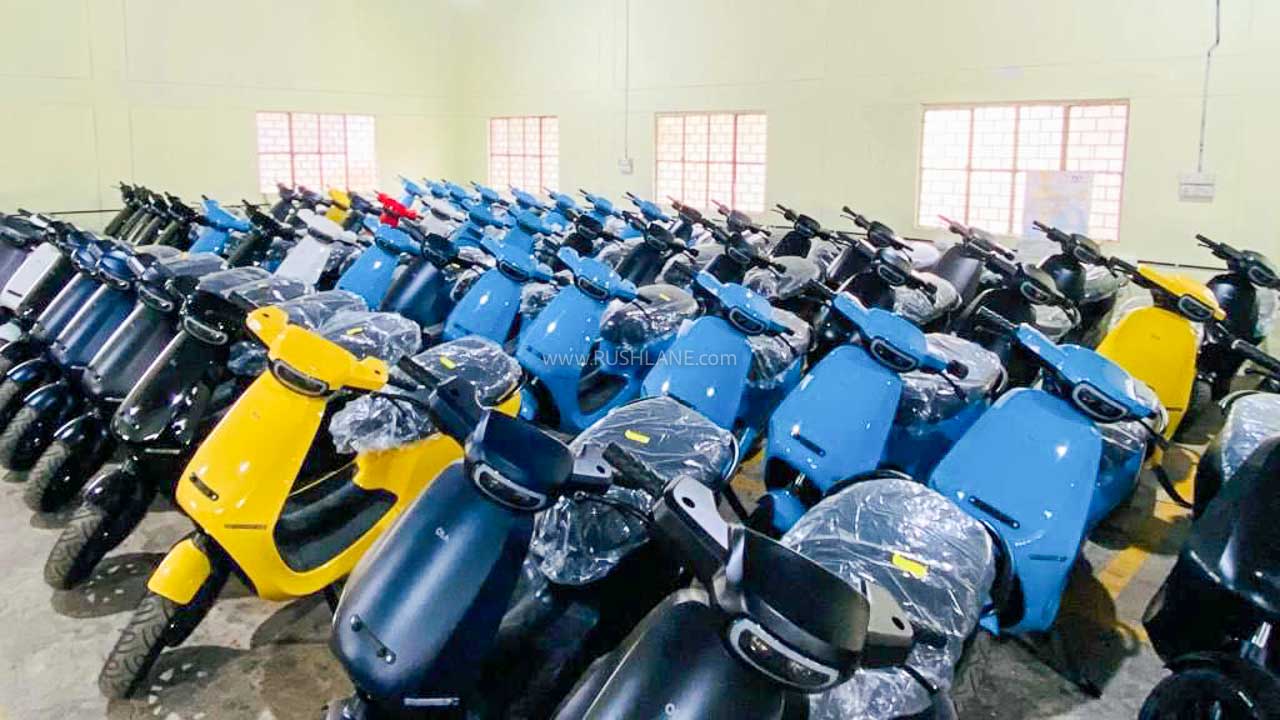
Ola Electric, India’s leading electric scooter manufacturer, recorded its lowest monthly sales of the year in September, signaling a sharp decline in its market dominance. According to government data, the SoftBank-backed company sold 23,965 e-scooters in September, marking the second consecutive month of falling sales. This downturn comes just two months after Ola made its stock market debut, raising concerns about the company’s ability to maintain its leadership in India’s rapidly evolving electric scooter market.

Ola’s declining sales figures have been accompanied by a notable drop in market share. In September, its market share fell to 27%, a significant decline from the more than 50% it held back in April. This trend reflects not only Ola’s sales slowdown but also the growing competition from smaller, more agile players in the e-scooter space. New entrants are offering a mix of lower prices, faster deliveries, and more localized service networks, allowing them to chip away at Ola’s dominance.

One of the key challenges Ola Electric has faced is its limited servicing network, which has struggled to keep pace with its rapid expansion. While Ola has quickly scaled its sales operations, customers have increasingly reported issues with post-sale support and maintenance, which are critical in maintaining long-term brand loyalty in the electric vehicle (EV) market. Smaller competitors, many of which focus on regional markets, have built stronger service infrastructures, making them more attractive to customers concerned about long-term reliability.

Ola’s market performance is being further tested by the intensifying competition in India’s e-scooter market. Several startups and established automotive companies have entered the sector, offering competitive models with varied features and price points. The increase in options has given consumers more freedom to choose based on their specific needs, whether it be longer battery life, more affordable pricing, or better after-sales service. As a result, Ola’s early mover advantage is being eroded as these competitors gain traction.

Another factor contributing to Ola’s sales slump is the broader market’s cooling demand for electric scooters in recent months. Although the Indian government has provided strong incentives for EV adoption, the high initial cost of electric scooters continues to be a barrier for many consumers. In addition, supply chain disruptions and rising raw material costs have also impacted the pricing and availability of electric scooters, including Ola’s flagship models. The combination of these factors has led to a slowdown in overall sales growth across the e-scooter sector.

Looking ahead, Ola Electric faces the challenge of regaining its lost momentum while addressing its service network issues and adapting to the increasingly competitive landscape. The company will need to strengthen its customer support infrastructure and potentially explore new pricing strategies to appeal to a broader customer base. As the battle for leadership in India’s e-scooter market intensifies, Ola’s ability to innovate and enhance its operational efficiency will be critical in determining whether it can reclaim its market share.

Apple May Face Increased Dependence on China Following Tata Plant Fire Incident

Apple Faces Potential Supply Chain Disruptions After Tata Plant Fire in India

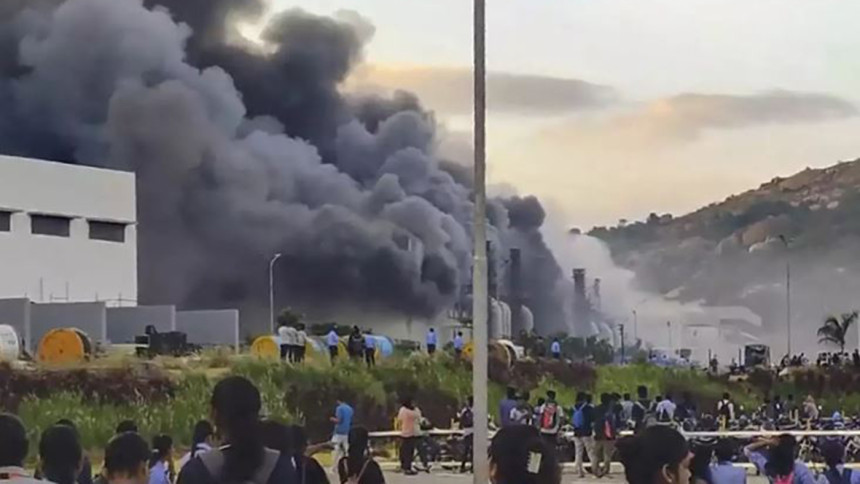
A recent fire at Tata Group’s iPhone component plant in southern India may significantly affect Apple’s supply chain, potentially leading to production slowdowns ahead of the critical festive season sales period. The fire, which broke out over the weekend, has caused extensive damage to the facility, forcing an indefinite production halt. As a result, Apple may be compelled to source essential iPhone components from China or other suppliers to meet the demand spike anticipated during the holiday season. This situation could expose the tech giant to increased reliance on China, a dependence it has been trying to reduce.

The Tata Group plant in Hosur, Tamil Nadu, is the only facility in India supplying iPhone back panels and several other components. These parts are critical for Foxconn, Apple’s primary contract manufacturer in India, as well as for Tata’s own iPhone assembly operations at another facility. The fire has interrupted this supply chain at a crucial moment, as Apple ramps up production to meet the expected surge in demand for iPhone 14 and iPhone 15 models in India during the festive season, which runs from late October to early November.

Industry analysts are already predicting a supply shortfall. Counterpoint Research, a Hong Kong-based market analysis firm, has estimated that Apple could sell around 1.5 million units of its iPhone 14 and 15 models during the Indian festive season. However, due to the fire, Apple may struggle to fulfill as much as 15% of that demand. This shortage could result in a scramble for parts, with Apple likely turning to Chinese suppliers to fill the gap and maintain production levels.

This fire comes at a particularly challenging time for Apple, which has been attempting to diversify its manufacturing base outside of China. Over the past few years, Apple has made significant efforts to shift some of its production to India, part of a broader strategy to reduce its dependence on China amid geopolitical tensions and supply chain vulnerabilities exposed during the COVID-19 pandemic. The Tata plant fire, however, may force Apple to revert to sourcing more components from China, at least temporarily, which could delay its efforts to establish a more resilient, geographically diversified supply chain.

The incident also highlights the growing importance of India as a manufacturing hub for Apple. India has been a key focus for Apple’s long-term plans, not only as a production center but also as an important consumer market. The company has been steadily expanding its local manufacturing capacity, with Tata Group playing a crucial role in this effort. If the fire leads to prolonged disruptions, it could have a ripple effect on both Apple’s supply chain strategy and its sales momentum in India.

As Apple assesses the damage and formulates a recovery plan, industry experts are watching closely to see how quickly Tata’s operations can resume and whether alternative suppliers will be able to fill the gap. The situation underscores the fragility of global supply chains, particularly for high-tech products like smartphones, which rely on a delicate balance of component sourcing and manufacturing across multiple countries. For Apple, this fire serves as a reminder of the risks inherent in its ongoing efforts to shift production away from China while maintaining high production volumes.