NASA’s InSight Mars Lander Captured Beneath Dust Layers by Mars Reconnaissance Orbiter

Mars Reconnaissance Orbiter Captures Retired InSight Lander Beneath Dust Layers

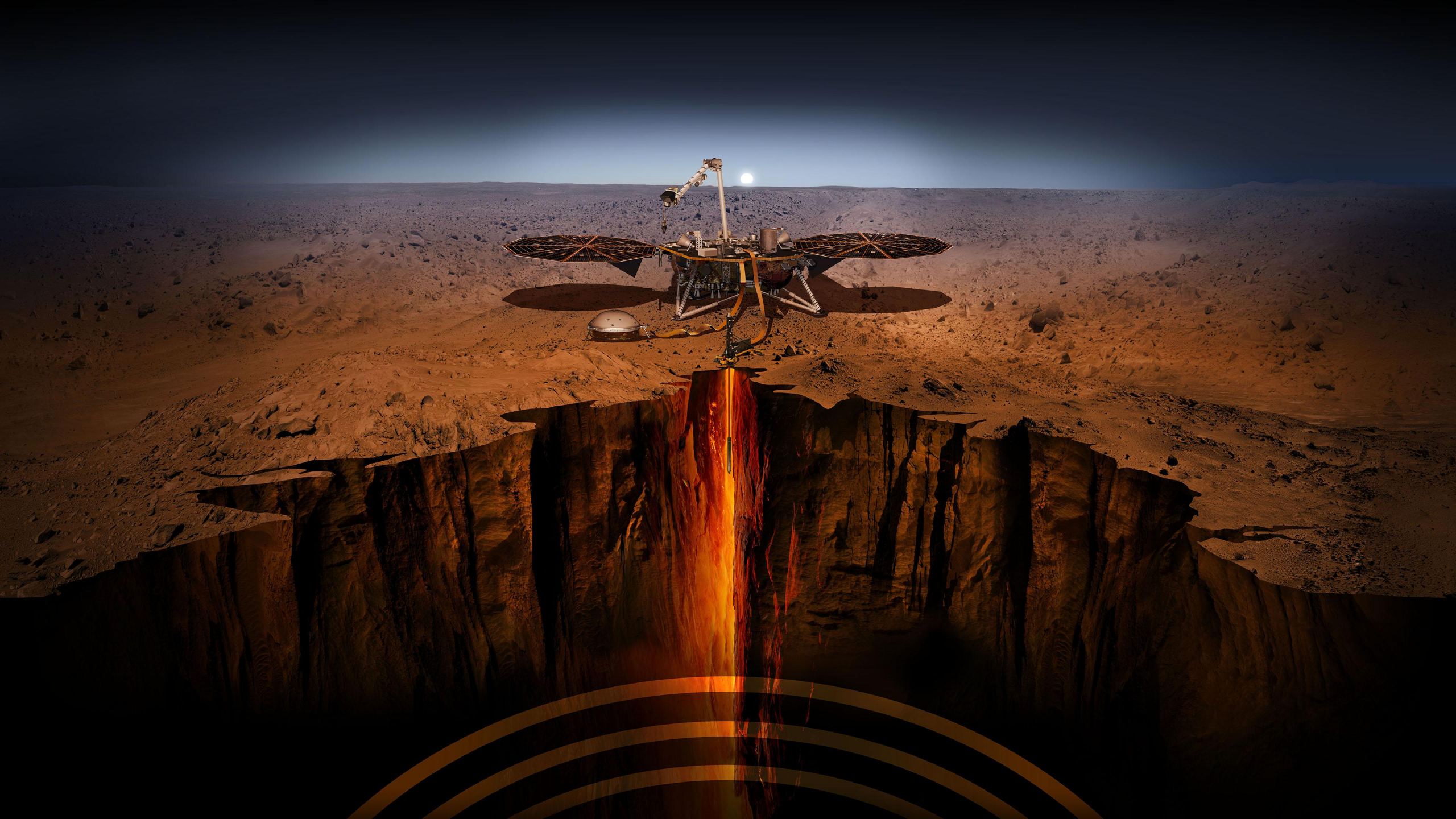
NASA’s retired InSight Mars lander has recently been photographed by the Mars Reconnaissance Orbiter (MRO) in an image taken on October 23, 2024, using its High-Resolution Imaging Science Experiment (HiRISE) camera. The image reveals the lander nearly camouflaged beneath layers of dust that have accumulated on its solar panels, which now match the reddish-brown hue of the Martian surface. This observation continues to provide valuable insights into Mars’ dynamic dust and wind patterns, helping scientists better understand the planet’s environmental processes.

InSight’s Historic Mission and Its Retirement

The InSight lander, which landed on Mars in November 2018, was instrumental in detecting Marsquakes and studying the planet’s crust, mantle, and core. Its primary mission was to monitor seismic activity and gain deeper insights into Mars’ internal structure. However, in December 2022, NASA officially declared the mission over after the lander stopped communicating due to severe dust accumulation on its solar panels. Engineers from NASA’s Jet Propulsion Laboratory (JPL) in California continued to monitor the lander, hoping that Martian winds would clear the dust and restore power. Despite their efforts, no signals were received, and the lander’s listening operations are set to conclude by the end of this year.

Tracking Dust and Wind Dynamics on Mars

The new HiRISE images were captured as part of an ongoing effort to monitor the effects of dust and wind on Mars’ surface. By tracking how dust accumulates and shifts over time, scientists are gaining a better understanding of the planet’s dust cycle and wind dynamics. Ingrid Daubar, a member of the science team at Brown University, emphasized the significance of these observations, stating that they provide crucial data for future missions to Mars. Understanding how dust interacts with the Martian environment is key for planning future landings, as dust accumulation remains a major challenge for solar-powered missions.

Impact on Future Mars Missions

The information gathered from the HiRISE images of InSight’s location will continue to shape how future missions approach the Martian surface. Dust remains one of the most significant obstacles for equipment on Mars, and understanding how it moves and settles will inform strategies to mitigate its effects on upcoming missions. As NASA prepares for future explorations of Mars, including the Artemis missions and potential human landings, the insights gained from monitoring InSight’s dust-covered panels will be critical in developing new technologies to protect spacecraft and rovers.

Poco M7 Pro 5G and Poco C75 5G Debut in India with Dimensity 7025 Ultra SoC: Pricing and Key Features

Poco M7 Pro 5G and Poco C75 5G Debut in India

Poco has launched two new smartphones in India, the Poco M7 Pro 5G and Poco C75 5G, offering a blend of performance and affordability. Both devices come with Android 14-based HyperOS pre-installed, providing a modern and seamless user experience. The Poco M7 Pro 5G is powered by the MediaTek Dimensity 7025 Ultra chipset, while the Poco C75 5G runs on the Snapdragon 4s Gen 2 SoC. These handsets feature 50-megapixel rear cameras and support 45W fast charging through USB Type-C, ensuring efficient power management for daily use.

Pricing and Variants for Poco M7 Pro 5G

The Poco M7 Pro 5G is available in two configurations to cater to different needs. The base model, priced at Rs. 14,999, includes 6GB of RAM and 128GB of internal storage. For users seeking more memory and storage, the 8GB + 256GB variant is priced at Rs. 16,999. The device is offered in three eye-catching color options: Lavender Frost, Lunar Dust, and Olive Twilight, providing a stylish edge to the feature-packed handset.

Poco C75 5G: Affordable and Efficient

The Poco C75 5G is designed for budget-conscious consumers without compromising essential features. Priced at Rs. 7,999 for its sole 4GB RAM + 64GB storage variant (as a limited-period offer), it delivers robust performance for everyday tasks. Available in Aqua Blue, Enchanted Green, and Silver Stardust, the device aims to combine affordability with aesthetic appeal. Its Snapdragon 4s Gen 2 processor ensures smooth operation, making it a solid choice for first-time 5G users or those seeking a secondary device.

Availability and Market Appeal

Both smartphones will go on sale in India in the coming days, targeting a broad spectrum of users, from budget-conscious buyers to those seeking premium features at a competitive price. With their combination of powerful chipsets, high-resolution cameras, fast charging capabilities, and fresh design aesthetics, Poco aims to strengthen its position in the highly competitive Indian smartphone market. These launches signal the brand’s commitment to delivering quality devices across diverse price segments.

Ray-Ban Meta Smart Glasses Introduce AI-Powered Live Translation and Enhanced Features

Ray-Ban Meta Smart Glasses Introduce AI-Powered Live Features

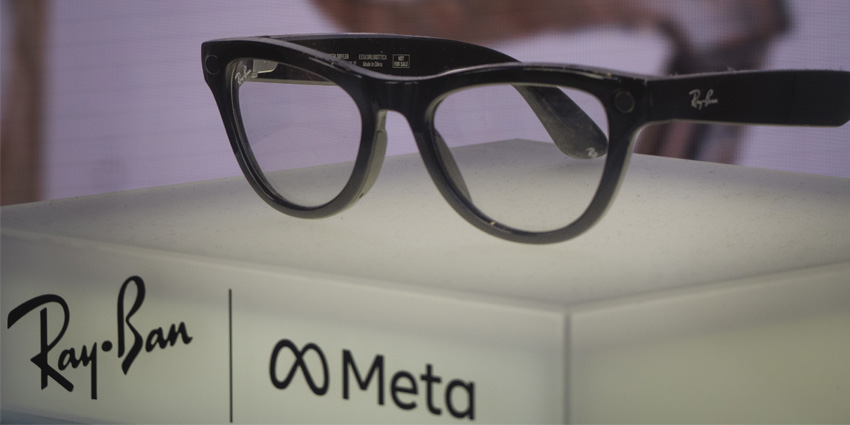
Meta has unveiled two groundbreaking artificial intelligence (AI) features for its Ray-Ban Meta smart glasses. The first, known as Live AI, equips the glasses with real-time video processing capabilities. This allows Meta AI to continuously interpret the user’s surroundings through the built-in cameras and provide instant feedback or answers about what it observes. The second feature, live translation, enables real-time speech translation in supported languages. Meta CEO Mark Zuckerberg showcased this feature during Connect 2024, demonstrating its potential for breaking language barriers. These updates are initially available to members of Meta’s Early Access Program in Canada and the United States.

Enhancements with the v11 Software Update

The new AI capabilities are part of the v11 software update for the Ray-Ban Meta smart glasses, now being rolled out to eligible devices. This update reflects Meta’s commitment to integrating advanced AI technologies into wearable devices. By embedding these innovative features directly into the glasses, users can experience a seamless blend of hardware and software, transforming the way they interact with their surroundings.

Live AI: Context-Aware Intelligence

The Live AI feature leverages the glasses’ cameras to provide continuous, real-time video processing. By enabling the AI to “see” what the user sees, it creates a more intuitive and dynamic interaction. For example, users can point the glasses at an object, landmark, or text, and receive instant explanations or translations. This functionality mirrors OpenAI’s recently introduced Advanced Voice with Vision feature, highlighting the growing trend of vision-based AI capabilities in consumer devices.

Real-Time Translation for Global Communication

Live translation, another key addition, addresses the challenge of cross-language communication. The feature allows users to engage in real-time conversations, with speech automatically translated within supported languages. This innovation has significant implications for travel, business, and social interactions, making communication across cultures more accessible. With these updates, Meta continues to position its smart glasses as a versatile and indispensable tool in the expanding landscape of AI-powered wearables.