
Vivo to Launch New Sub-Brand ‘Jovi’ in 2024 with Three Initial Models: Report

Vivo Set to Launch New Sub-Brand ‘Jovi’ in 2024
Vivo is reportedly gearing up to introduce a new smartphone sub-brand called Jovi next year, aiming to expand its market presence further. According to recent reports, references to Jovi and its upcoming devices were spotted in a GSMA database. The initial lineup under the Jovi brand is expected to feature three smartphones, though speculation suggests these might be rebranded versions of existing Vivo models. This development comes as Vivo prepares to launch the Vivo Y300 in select markets on December 16, highlighting its continued focus on catering to diverse customer needs.

Upcoming Jovi Models Unveiled
As per a report from SmartPrix, the GSMA database lists three upcoming Jovi devices: the Jovi V50, Jovi V50 Lite 5G, and Jovi Y39 5G, bearing model numbers V2427, V2440, and V2444, respectively. Interestingly, the first two models appear to correspond to Vivo’s existing V50 and V50 Lite 5G smartphones. This suggests that Jovi’s initial strategy may involve leveraging Vivo’s current portfolio to establish its presence in the competitive smartphone market.

Targeting the Budget and Mid-Range 5G Segments
The Jovi brand is speculated to focus on budget and mid-range 5G smartphones, targeting regions with high adoption rates for 5G technology. By repurposing existing models, Vivo could quickly position Jovi as a competitive player in these segments. Additionally, Jovi might appeal to younger audiences by emphasizing features such as AI integration, gaming capabilities, or photography enhancements, aligning with the preferences of tech-savvy consumers.

Strategic Move to Broaden Market Appeal
The launch of Jovi signals Vivo’s intent to diversify its offerings and strengthen its position in the global smartphone market. By introducing a sub-brand, the company can cater to niche segments or specific demographics more effectively. Whether through rebranding or entirely new models, Jovi’s success could depend on its ability to differentiate itself within Vivo’s broader ecosystem, providing consumers with compelling alternatives in the increasingly crowded smartphone landscape.
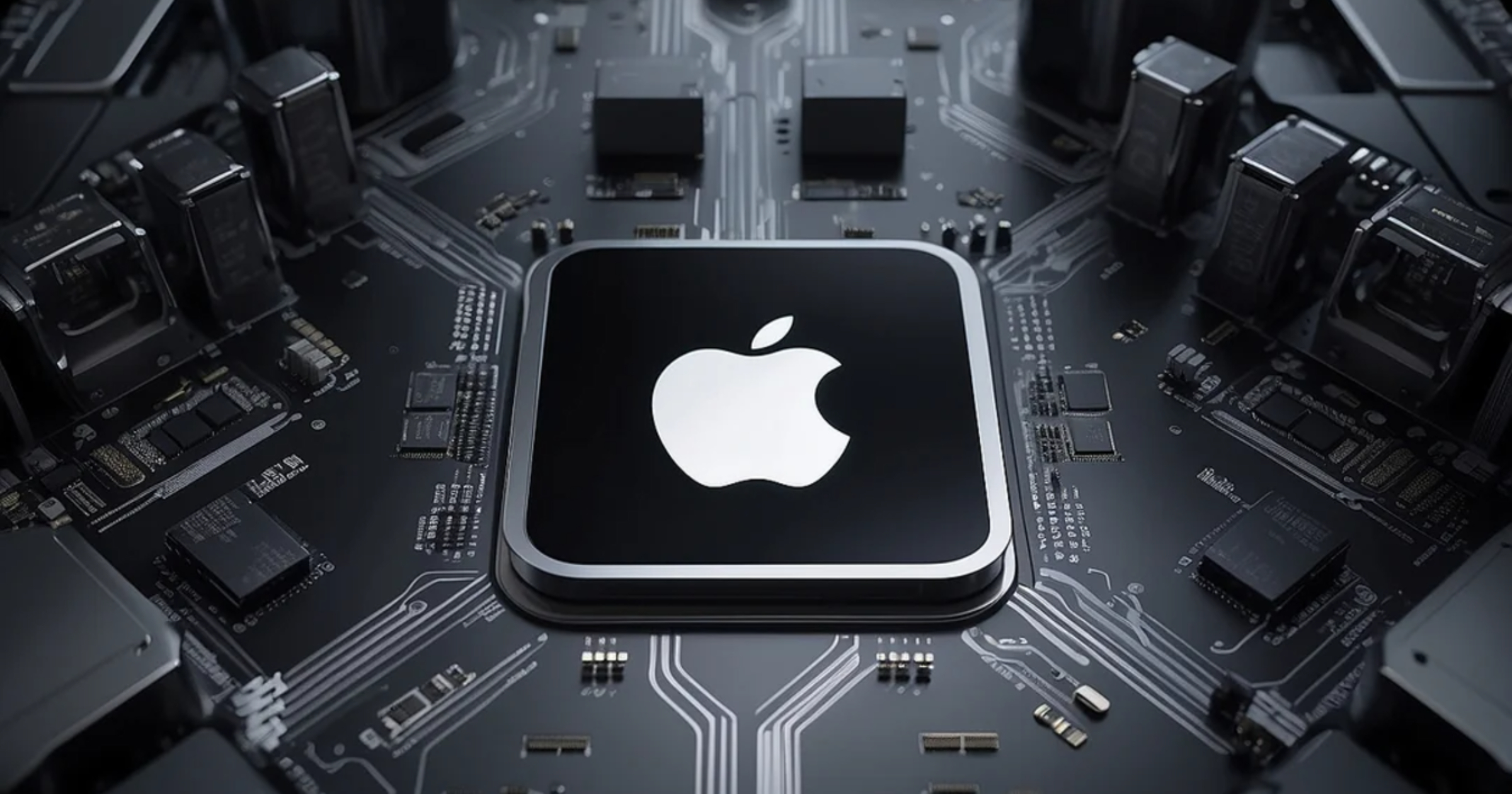

Apple Partners with Broadcom to Create Its First AI Server Chip, Report Says

Apple Collaborates with Broadcom on AI Server Chip Development
Apple is reportedly working with semiconductor manufacturer Broadcom to develop a specialized server chip aimed at powering artificial intelligence (AI) features. The move aligns with Apple’s growing emphasis on AI-driven capabilities across its product ecosystem. While the company has previously announced plans to offload some processing for Apple Intelligence features to the cloud, this marks the first instance of Apple creating a dedicated server chip for AI applications. Recent updates to iOS, iPadOS, and macOS have already introduced advanced Apple Intelligence features, including integration of tools like ChatGPT with Siri.

Codenamed ‘Baltra’: Apple’s AI Server Chip in the Works
According to a report from The Information, which cites sources familiar with Apple’s plans, the new server chip, internally referred to as “Baltra,” is designed specifically for AI processing tasks. Unlike Apple’s existing processors, which primarily power on-device AI functionalities in iPhones, iPads, and Macs, the Baltra chip will handle AI tasks in the cloud. This could pave the way for more powerful and complex AI-driven features that require robust server-side computation.

Collaborative Effort Focused on Networking Technology
The partnership with Broadcom extends to the development of networking technology essential for the Baltra chip’s functionality. By optimizing the chip for cloud-based AI workloads, Apple aims to deliver faster and more efficient responses to user requests. This could include tasks like natural language processing, enhanced Siri capabilities, and improved integration with AI models, ensuring seamless performance across Apple devices.

A Strategic Step Toward AI Leadership
Developing an AI server chip represents a significant step in Apple’s strategy to remain competitive in the AI space. As rivals like Google and Microsoft advance their AI infrastructures, Apple’s investment in custom server chips highlights its commitment to innovation. The introduction of Baltra not only strengthens Apple’s control over its technology stack but also opens the door for new AI-powered experiences tailored to its ecosystem, reinforcing its position as a leader in consumer technology.

Dogs Use Soundboards to Intentionally Communicate, New Study Reveals

Study Highlights Canine Communication Through Soundboards
A groundbreaking study by the Comparative Cognition Lab at the University of California, San Diego, has provided new insights into dogs’ ability to communicate intentionally using soundboards. Published in Scientific Reports, the research analyzed data collected from 152 dogs over a 21-month period. Researchers observed that trained dogs were able to form meaningful two-word combinations, moving beyond random button pressing or imitative behavior. Over 260,000 button presses were recorded during the study, with 195,000 of these presses attributed to intentional actions by the dogs.

Evidence of Purposeful Communication
The study revealed that dogs most frequently used buttons tied to their basic needs. Words such as “outside,” “play,” “treat,” and “potty” dominated the interactions. For instance, combinations like “outside” + “potty” were used in contexts that matched their meaning, demonstrating a clear intent to communicate specific desires. Dr. Federico Rossano, Associate Professor of Cognitive Science and the study’s lead author, emphasized that these behaviors suggest deliberate decision-making rather than mere coincidence or mimicry.

Technology as a Bridge Between Species
The use of soundboards opens up new possibilities for human-canine communication. By pressing buttons that correspond to words, dogs can convey their needs and preferences with greater clarity. Dr. Rossano highlighted the potential of this technology to reduce misunderstandings and frustration between pets and their owners. For example, instead of barking ambiguously, a dog could press “outside” and “park” to indicate a desire for a walk in a specific location.

Strengthening Human-Animal Bonds
The implications of the study extend beyond mere novelty, offering a glimpse into how technology can deepen the relationship between humans and their canine companions. As dogs gain a more precise method of expression, owners are better equipped to understand and respond to their pets’ needs. This enhanced communication could lead to improved quality of life for both dogs and their humans, fostering a stronger bond built on mutual understanding.