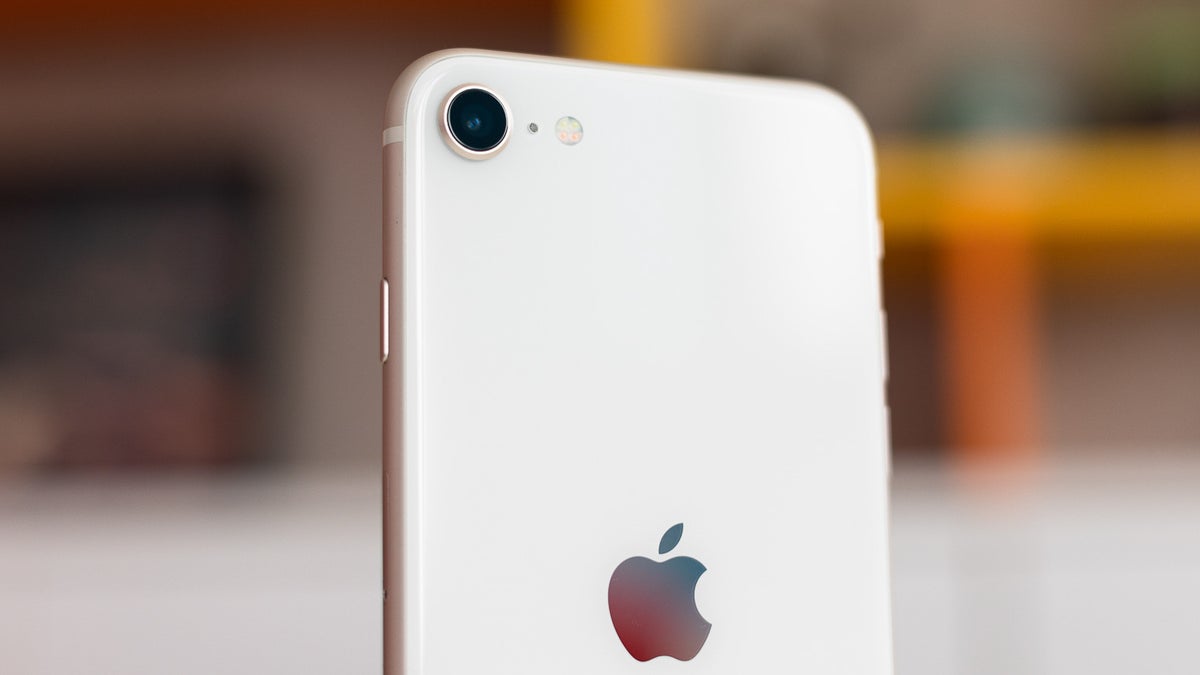
iPhone SE 4 Camera Leaks Again, Featuring a 48-Megapixel Rear Camera

Apple is expected to introduce the iPhone SE 4 in the first quarter of 2025, with much anticipation surrounding its design and features. Although Apple has yet to confirm details about the iPhone SE 2022 successor, recent reports from Korea are shedding light on some key specifications, particularly the camera setup. According to these leaks, the iPhone SE 4 will feature a 48-megapixel rear camera, which aligns with the camera system found on the latest iPhone 16 models. This marks a significant upgrade from the previous generation, which had a 12-megapixel rear camera.

The report from ET News suggests that LG Innotek, a prominent electronic component manufacturer, will be responsible for supplying the front and rear camera modules for the upcoming iPhone SE 4. The rear camera will reportedly be a 48-megapixel sensor, offering users a significant improvement in image quality, while the front-facing camera will be upgraded to a 12-megapixel sensor, compared to the 7-megapixel selfie camera found on the iPhone SE (2022).

These details align with earlier rumors that the iPhone SE 4 would adopt the same camera system as the iPhone 16, at least in terms of the main rear and front cameras. However, the iPhone SE 4 may not include the ultra-wide lens found in the standard iPhone 16, keeping it more aligned with the affordable nature of the SE series.

While no other specifics about the phone’s design or features have been confirmed, the improved camera system is expected to be one of the key highlights of the iPhone SE 4. As Apple prepares to launch the device in early 2025, the anticipation surrounding its capabilities, particularly its camera enhancements, continues to grow.
Amazon Launches 15-Minute Delivery Pilot in India, Enters Quick Commerce Market

Amazon India has officially launched its quick commerce service, entering the competitive market for hyperlocal delivery in India. This new service promises to deliver groceries and daily essentials in 15 minutes or less, catering to the growing demand for faster delivery options. The move marks Amazon’s entry into the quick commerce sector, joining the ranks of other established players like Zomato-owned Blinkit, Swiggy Instamart, and Zepto, which dominate the space.

Initially, the service is being rolled out as a pilot in Bengaluru, one of the country’s largest urban centers. Customers in select areas of the city will be able to place orders for items such as groceries, snacks, and household products, all of which will be delivered within the promised 15-minute window. Amazon’s quick commerce service aims to provide a convenient solution for people who need essential items immediately, without the long wait times typically associated with standard delivery options.

The launch of Amazon’s quick commerce service comes as part of the company’s strategy to strengthen its presence in India’s rapidly growing e-commerce market. Quick commerce has become a significant trend in India due to the increasing demand for on-demand delivery, driven by the fast-paced lifestyle of urban consumers. While players like Blinkit and Zepto have already captured a large share of the market, Amazon is hoping its extensive infrastructure and large customer base will allow it to carve out its own niche.

With the initial rollout in Bengaluru, it remains to be seen whether Amazon will expand its service to other cities in the coming months. The success of this service will depend on its ability to meet the delivery times and customer satisfaction levels set by its competitors. However, with Amazon’s vast logistical network and resources, the company is well-positioned to compete in the quick commerce market and possibly disrupt the current market dynamics.

Google Patents AI-Powered Smart Glasses Assistant That Tailors Suggestions Based on Gaze and Voice

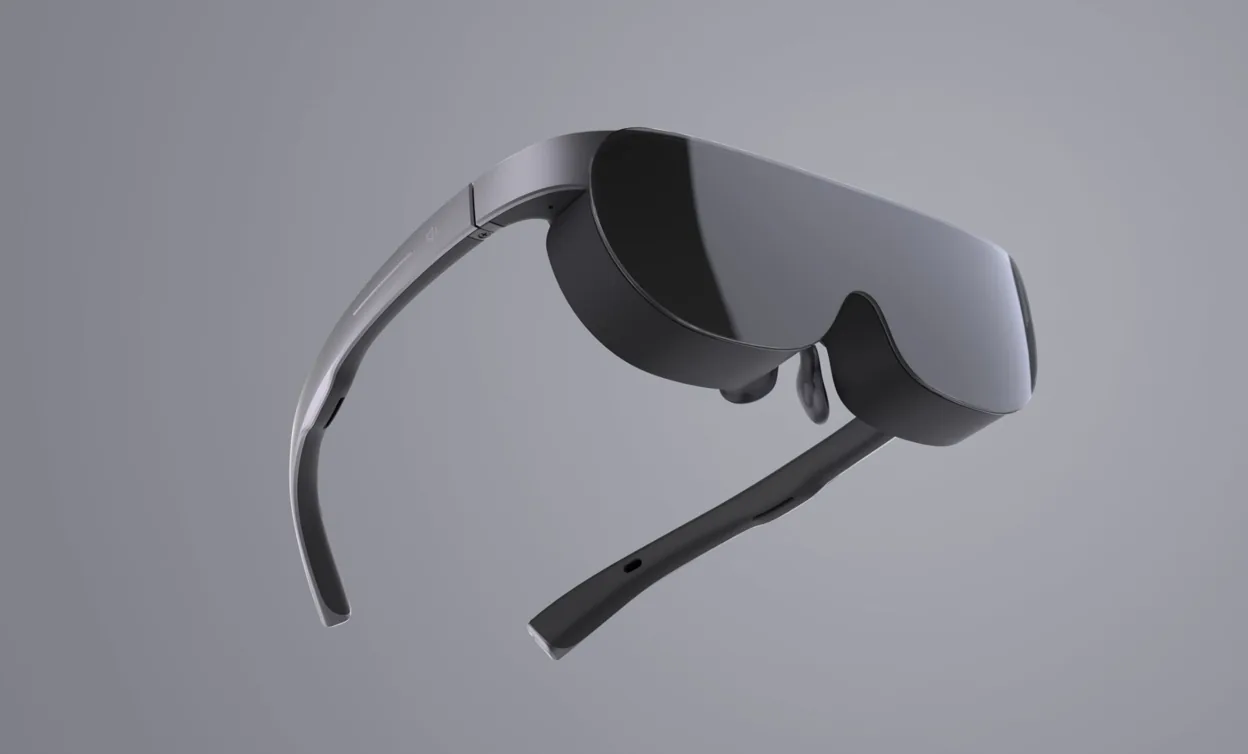
Google has recently been granted a patent for a new assistant designed to enhance the functionality of smart glasses. This assistant, which adapts its suggestions based on a user’s gaze or voice input, could significantly improve the experience of using wearables. While Google has previously explored augmented reality (AR) technologies for smart glasses, including its ambitious “Project Iris,” which was ultimately put on hold in favor of collaborating with other hardware partners, this new assistant technology might find its way into future products, whether AR glasses or other wearable devices.

The concept behind this patent is an automated assistant capable of providing real-time suggestions and interactions based on what the user is focusing on or saying. The system utilizes the smart glasses’ built-in sensors to track the user’s gaze and detect voice commands, then adapts its responses accordingly. For example, if a user is looking at a specific object, the assistant could offer information about it, or if the user asks a question, the assistant could provide a tailored answer. This level of customization would be an important step in making wearable technology more intuitive and responsive to everyday interactions.

In the patent filing, titled “Adapting assistant suggestions rendered at computerized glasses according to changes in user gaze and/or other user input,” Google explains that the assistant could utilize both visual and auditory data. This dual input allows the system to offer suggestions that are highly relevant to the user’s current environment. The glasses would continuously track the user’s focus, enabling them to receive helpful notifications, directions, or contextual information about objects or places they are engaging with in real-time.

While Google has not explicitly confirmed if these capabilities will be rolled out in a future product, the patent provides a glimpse into how the company envisions enhancing the user experience of wearable tech. With advancements in artificial intelligence, this technology could lead to smarter, more personalized devices that seamlessly integrate into daily life, helping users stay connected, informed, and engaged without the need for constant interaction with their phones or other devices.