
Intel Unveils Arc B-Series GPUs Featuring Ray Tracing and AI Engine: Full Specs Revealed

Intel Launches Arc B-Series GPUs with Ray Tracing and AI Features
Intel has officially launched its much-anticipated Arc B-series graphics processing units (GPUs) on Tuesday. Codenamed Battlemage, these new GPUs are designed to offer powerful performance at an accessible price, catering to both creators and gamers. The Arc B-series aims to provide smooth gaming experiences with up to 1440p resolution at over 60 frames per second (fps), making it an attractive option for those looking to enjoy popular titles without breaking the bank. The series includes two models: the Intel Arc B580 and the Arc B570, both equipped with cutting-edge features such as hardware-accelerated ray tracing, XeSS 2 upscaling technology, and frame generation for enhanced visuals.

Key Features and Performance
The Intel Arc B-series GPUs are built to elevate gaming and creative workloads with support for advanced technologies. Both the B580 and B570 models feature ray tracing, which adds realism by simulating how light interacts with objects in a scene. Additionally, the inclusion of XeSS 2, Intel’s upscaling technology, ensures a smooth experience even at higher resolutions by enhancing performance without sacrificing image quality. With these features, the Arc B-series GPUs position themselves as capable contenders in the mid-range GPU market, providing excellent performance for a variety of applications, from gaming to content creation.

Pricing and Availability
The Intel Arc B580 GPU will be available from December 13, starting at $249 (approximately ₹21,000). It will be sold by various add-in board partners, including Acer, ASRock, GUNNIR, ONIX Technology, MAXSUN, and Sparkle. The Intel Arc B570, a slightly more affordable option, will launch on January 16, with prices starting at $219 (approximately ₹19,000). Both models are expected to offer strong performance at a competitive price, making them attractive choices for users looking to upgrade their graphics setup.

Market Impact and Competition
With the launch of the Arc B-series, Intel enters the GPU market with a strong push towards affordability and high performance. By incorporating features typically found in more expensive GPUs, such as ray tracing and AI-enhanced upscaling, Intel aims to appeal to both gamers and content creators who want high-end features at a mid-range price. The series faces stiff competition from established players like NVIDIA and AMD, but Intel’s aggressive pricing strategy could make these GPUs a popular choice for those seeking value without compromising on performance.
ISRO’s PSLV-C59 Set to Launch ESA’s Proba-3 Mission for Solar Corona Exploration

ISRO’s PSLV-C59 Gears Up for ESA’s Proba-3 Solar Corona Mission
The Indian Space Research Organisation (ISRO) is set to launch the PSLV-C59 rocket on December 4, 2024, at 4:08 PM IST, carrying the European Space Agency’s (ESA) Proba-3 mission. This commercial launch, managed by NewSpace India Limited (NSIL), will take place from the First Launch Pad at the Satish Dhawan Space Centre, Sriharikota. Notably, this will mark the 61st mission of ISRO’s workhorse Polar Satellite Launch Vehicle (PSLV) and the 21st instance of its XL configuration being deployed.

Proba-3: A Unique Formation-Flying Demonstration
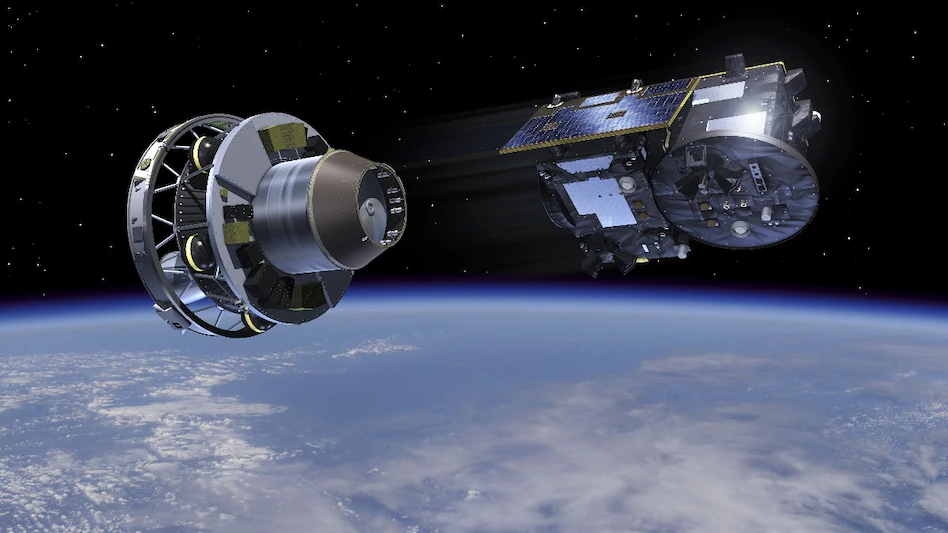
The Proba-3 mission represents an In-Orbit Demonstration (IOD) initiative by ESA, focused on precision formation flying. The spacecraft comprises two components: the Coronagraph Spacecraft (CSC) and the Occulter Spacecraft (OSC), which will function in a coordinated manner. Launched as a single unit, the satellites will separate in orbit and maintain an exact distance of 150 meters to replicate an artificial solar eclipse. This innovative arrangement will enable unprecedented observations of the Sun’s corona by blocking its direct light with the occulter.

Exploring the Mysteries of the Sun’s Corona
The mission’s primary goal is to study the Sun’s corona, the outermost layer of its atmosphere, which plays a crucial role in influencing solar dynamics and space weather. The corona is difficult to observe from Earth due to the Sun’s intense brightness, but Proba-3’s advanced instruments will overcome this challenge. Using the occulter to shield direct sunlight, the spacecraft will allow scientists to conduct continuous corona observations for up to six hours, capturing detailed data on solar eruptions, magnetic field interactions, and plasma behavior.

Global Collaboration in Space Science
The Proba-3 mission underscores the growing importance of international collaboration in advancing space science. By partnering with ESA, ISRO continues to demonstrate its capability to support complex missions requiring precision and innovation. The data collected by Proba-3 is expected to benefit not just solar physics research but also global efforts to improve predictions of space weather, which can impact satellite operations, communication systems, and power grids on Earth. This launch marks another milestone in India’s expanding role in the global space industry.

Climate Change Fuels Pathogen Risks for Alaska’s Polar Bears

Rising Pathogen Threats to Alaska’s Polar Bears Amid Climate Change
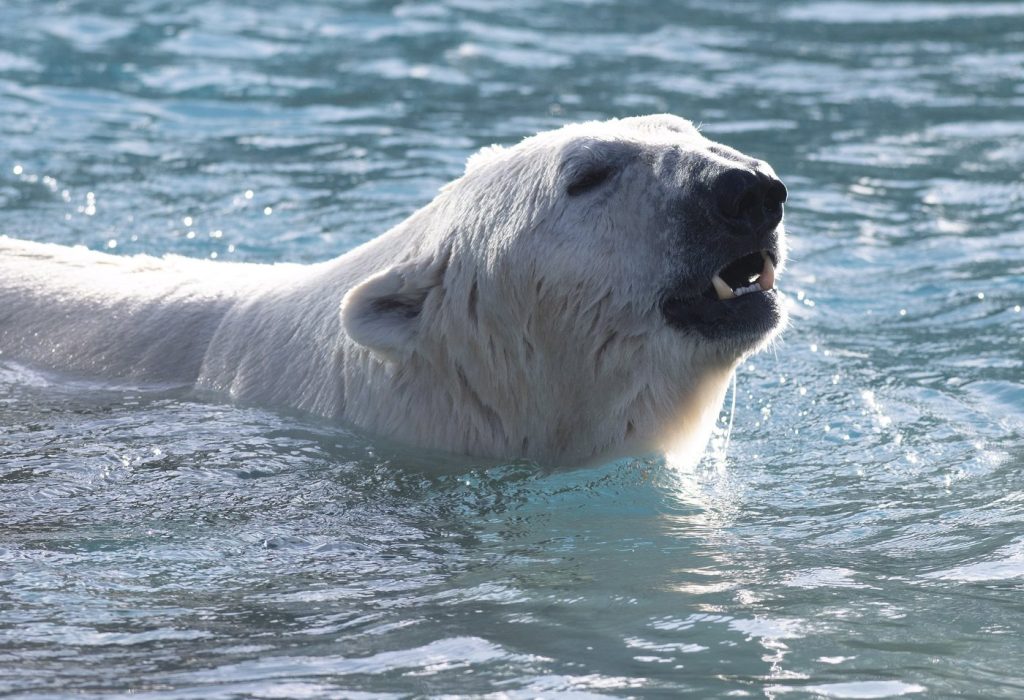
Alaska’s polar bears are facing a surge in pathogen exposure, driven by the warming Arctic environment, according to a study published in PLOS ONE on October 23. Pathogens previously unable to thrive in the harsh Arctic climate are now persisting due to rising temperatures. This shift has led to an increase in the vulnerability of polar bears to viruses, bacteria, and parasites, compounding the challenges for populations already struggling with habitat loss and food scarcity.

Pathogen Trends Over Time
The study analyzed blood samples from 232 polar bears in the Chukchi Sea collected between 2008 and 2017 and compared them to samples from 115 bears surveyed from 1987 to 1994. Researchers found significant increases in antibodies linked to pathogens such as Neospora caninum, which can affect neurological health, as well as bacteria causing brucellosis and tularemia. Notably, exposure to the parasite Toxoplasma gondii, often associated with felines, rose from 2% to 14%. Antibodies for canine distemper virus, which can cause severe illness in mammals, were also detected more frequently.

Impacts of Environmental Changes
Dr. Karyn Rode, a wildlife biologist with the U.S. Geological Survey and co-author of the study, explained how rising temperatures have enabled pathogens to survive in previously inhospitable Arctic regions. This environmental shift is particularly pronounced in the Chukchi Sea, where declining sea ice forces polar bears to spend more time on land. As a result, they are increasingly exposed to human activities, waste, and other animals, amplifying their contact with pathogens.

Broader Implications for Arctic Wildlife
The findings underscore the interconnected effects of climate change on Arctic ecosystems. Polar bears, as apex predators, are particularly vulnerable to cascading environmental shifts that disrupt their food web and increase disease risks. The study calls for more robust monitoring of Arctic wildlife health and greater efforts to mitigate human impacts in these fragile ecosystems. As the Arctic continues to warm, the survival of polar bears may hinge on comprehensive conservation strategies addressing both habitat loss and emerging health threats.