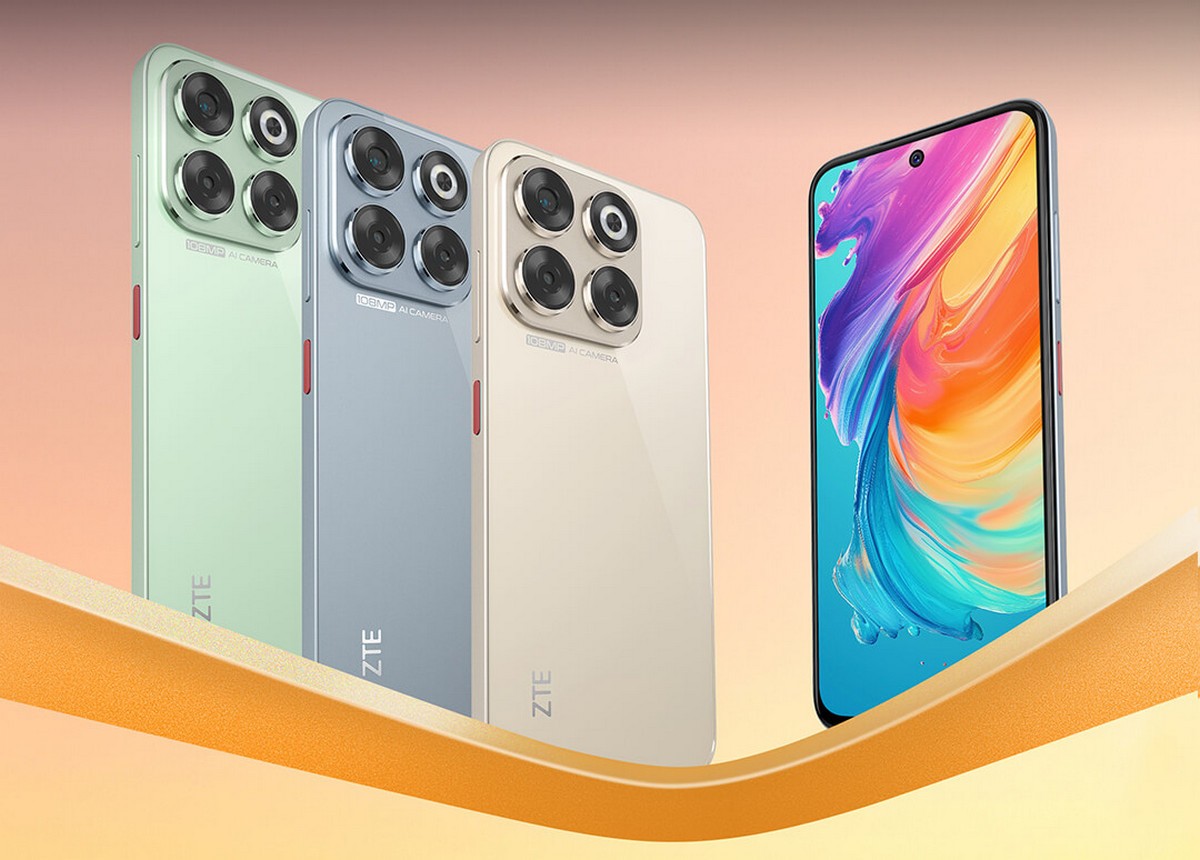
ZTE Blade V70 With 108MP Main Camera and 6.7-Inch Display Spotted Online

The ZTE Blade V70 has recently appeared on the company’s global website, offering a glimpse into its upcoming features and design. Following in the footsteps of the ZTE Blade V60, the Blade V70 is equipped with a 6.7-inch LCD display, featuring a hole-punch cutout at the center for the front camera. It is highlighted by a powerful 108-megapixel primary camera and a robust 5,000mAh battery that supports 22.5W wired fast charging, making it a promising option in the mid-range smartphone market. While exact pricing and availability details have not been revealed yet, the listing gives us a closer look at its potential in the consumer market.

The ZTE Blade V70 will be available in three elegant color options: Glacier Green, Stardust Grey, and Sunshine Gold. These colors are designed to appeal to a broad range of tastes, offering something for users who prefer a more understated look as well as those who prefer a vibrant, attention-grabbing hue. Although the full pricing details are yet to be disclosed, the Blade V70 is expected to be positioned as a mid-range device, making it an attractive option for consumers looking for high-end features without breaking the bank.

In terms of specifications, the ZTE Blade V70 offers a large, immersive 6.7-inch display with a smooth 120Hz refresh rate. The screen has a resolution of 700 x 1,600 pixels and boasts a 91% screen-to-body ratio, along with Starlight AG Etched Glass protection for durability. Under the hood, the device is powered by a 2GHz octa-core processor and comes with up to 8GB of RAM and 256GB of internal storage. For users who require more memory, the phone also supports virtual RAM expansion of up to 12GB and offers up to 1TB of additional storage via a microSD card, ensuring that the Blade V70 can handle a variety of tasks with ease.

Running on Android 14 with ZTE’s MyOS 14 interface, the Blade V70 provides a contemporary software experience with the latest features and improvements. Whether it’s photography with its impressive 108MP camera, gaming, or multitasking, the ZTE Blade V70 seems poised to deliver a compelling mix of performance and value for its target market. As the device gets closer to release, further details about pricing and availability will likely become clearer, solidifying its position in the competitive mid-range smartphone category.

Apple Executives Reveal 2017 Decision Enabled Intelligence Support on M1 Mac Models

In a recent podcast, Apple executives revealed an important decision made by the company’s engineers in 2017 that laid the groundwork for the introduction of Apple Intelligence in devices like the M1 Mac models. Tim Millet, Apple’s Vice President of Platform Architecture, and Tom Boger, Senior Director of Mac & iPad Product Marketing, discussed how the decision to incorporate neural networks into the M1 chipset made the devices AI-ready, even before the explosion of generative AI in 2022. This forward-thinking move by Apple enabled its hardware to support advanced artificial intelligence features years before they became mainstream.

The key moment came in 2017 when Apple engineers became aware of the emerging potential of neural networks, just after the publication of the first papers on the subject. This technology would later evolve into transformer networks, the very foundation of today’s generative AI systems. The decision to build the M1 chipset with these capabilities in mind was ahead of its time, as it was released in 2020, a full two years before generative AI started dominating the tech landscape. This strategic foresight positioned Apple to leverage AI in a way that competitors struggled to match.

The executives also discussed how the M1 chipset integrates AI in a way that is tightly coupled with Apple’s hardware and software ecosystem. By embedding neural networks directly into the hardware, Apple ensured that AI functionalities would be optimized across its devices, resulting in smoother performance and more efficient processing of tasks like image recognition, natural language processing, and machine learning. This holistic approach to AI integration is something that Apple has continued to refine across its range of products.

As the generative AI trend gains momentum, Apple’s decision in 2017 looks even more prescient. The M1 chipset’s AI capabilities allow Apple to stay ahead of the curve in terms of performance and user experience. With the M2 and future chipsets expected to continue this trend, Apple has effectively positioned itself as a leader in integrating AI directly into its hardware, ensuring its devices are ready for the evolving demands of the tech industry.

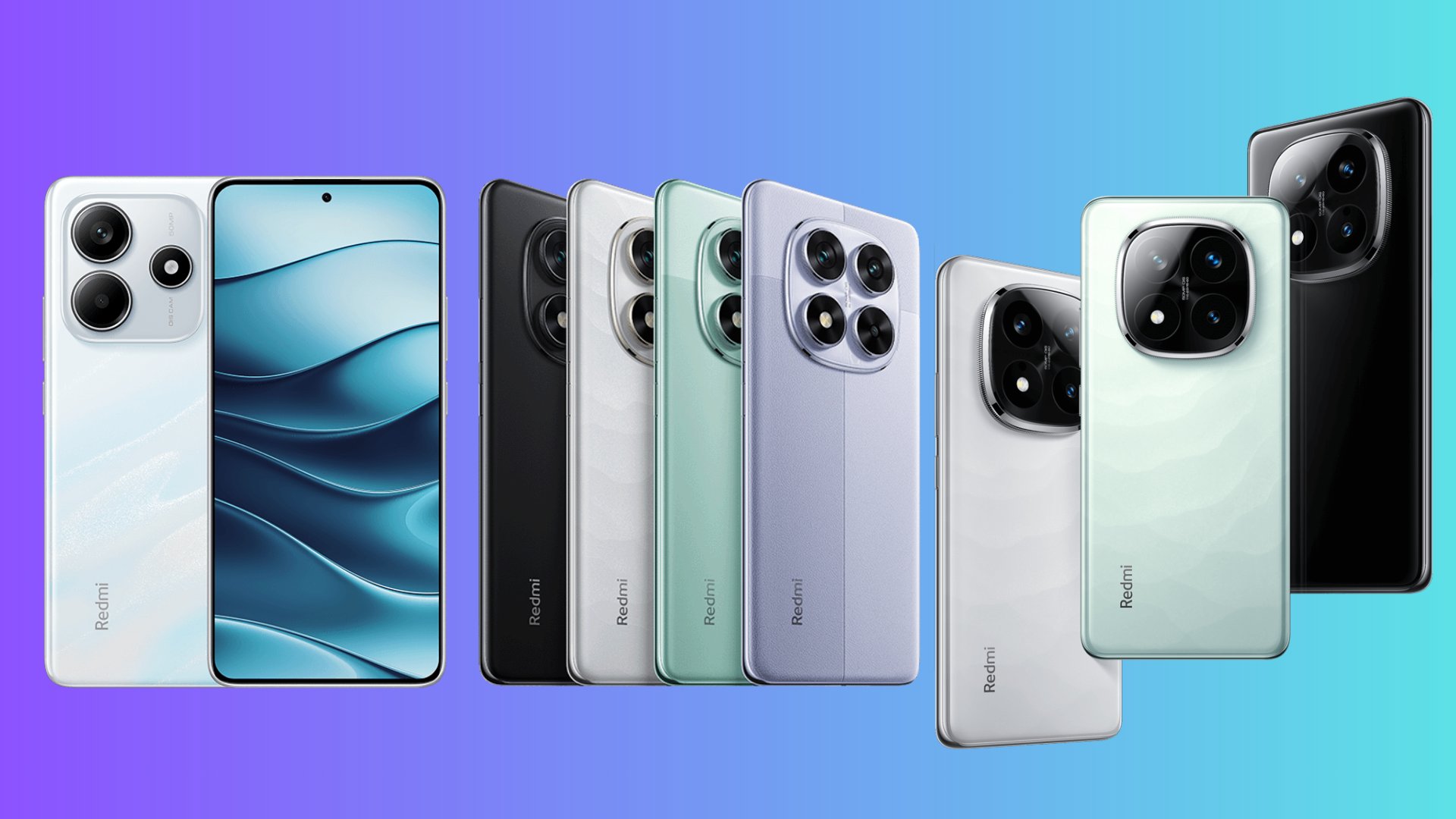
Redmi Note 14 Series India Launch Teased, Ahead of Redmi A4 5G Debut: What to Expect

The highly anticipated Redmi Note 14 series, which debuted in China back in September, is now set to launch in India. The lineup, which includes three models—the base variant, a Pro model, and the Pro+ variant—will serve as the successor to the popular Redmi Note 13 series. Xiaomi India has begun teasing the series’ upcoming arrival through social media posts, stirring excitement among consumers. This comes right before the launch of the Redmi A4 5G, an entry-level 5G smartphone, which is expected to debut in India tomorrow with a Snapdragon chipset.

Xiaomi India recently teased the launch of a new smartphone on its social media platform X (formerly known as Twitter), with an image captioned “Ready for a Noteworthy Rival?” While the teaser doesn’t directly name the device, many speculators believe it hints at the Redmi Note 14 series, which was confirmed to be launching in India this December. The excitement surrounding the Redmi Note 14’s potential entry into the Indian market is palpable, given the series’ success in China and the brand’s strong presence in India.

The Redmi Note 14 series is expected to offer significant upgrades over its predecessor, the Redmi Note 13 series, particularly in terms of design, performance, and camera capabilities. The Pro and Pro+ variants, in particular, are likely to pack more powerful processors, better displays, and enhanced camera setups aimed at competing in the mid-range segment, where the competition is fierce. Xiaomi has consistently focused on delivering value-for-money devices, and the Note 14 series is expected to follow suit, offering a blend of premium features at affordable prices.

While the focus on the Redmi Note 14 series continues to build, Xiaomi is also preparing for the release of the Redmi A4 5G, which will be a more budget-friendly option aimed at consumers looking to experience 5G connectivity without breaking the bank. Powered by a Snapdragon chipset, the A4 5G will likely offer a solid entry into the affordable 5G smartphone market in India. With both the A4 5G and the Note 14 series, Xiaomi is positioning itself to cater to a wide range of customers across different price segments.