
Samsung Reportedly Integrating Apple Pencil-Like Tech in S-Pen to Slim Down Galaxy Z Fold 7

Samsung to Revamp S-Pen Design for a Slimmer Galaxy Z Fold 7

Samsung is reportedly considering a significant redesign of its S-Pen stylus to achieve a thinner profile for the upcoming Galaxy Z Fold 7. According to sources, the foldable device could match the sleekness of the Galaxy S24, but the current S-Pen design poses a challenge to reaching that goal. To address this, Samsung is rumored to be exploring Apple Pencil-like technology, embedding the stylus’s functional components within itself rather than relying on a digitizer layer beneath the display.

Moving Away from the EMR Digitizer

A report from the Korean publication ETNews suggests that Samsung is actively reviewing alternatives to its existing electromagnetic resonance (EMR) technology. Currently, the EMR digitizer sits under the display, allowing the S-Pen to operate without needing a battery or active power source. While effective, this additional display layer increases the device’s overall thickness—a drawback Samsung aims to eliminate in the Galaxy Z Fold 7.

Adoption of AES Technology

To resolve the issue, Samsung is considering implementing active electrostatic (AES) technology, which powers the Apple Pencil. Unlike the EMR setup, AES technology requires the stylus to have a built-in power source, such as a rechargeable battery. This change would allow Samsung to eliminate the need for a digitizer layer, significantly reducing the thickness of the Galaxy Z Fold 7. However, it introduces new requirements for the S-Pen, including regular charging, a departure from its current battery-free operation.

Implications for Future Foldable Design

If Samsung adopts this new technology, it could mark a turning point for foldable devices, setting a new standard for thinness and portability. While the addition of a power source in the S-Pen may require users to adjust to charging the stylus, the trade-off could result in a more elegant and compact Galaxy Z Fold 7. This shift aligns with Samsung’s ongoing efforts to refine the foldable category and address consumer demands for lighter, thinner designs. As the company reportedly finalizes its decision, the Galaxy Z Fold 7 could emerge as a milestone in foldable innovation.
Samsung Galaxy S25 Ultra Rumored to Feature Slimmer Bezels Than iPhone 16 Pro Max and Xiaomi 15

Samsung Galaxy S25 Ultra Rumored to Lead the Industry with Thinner Bezels

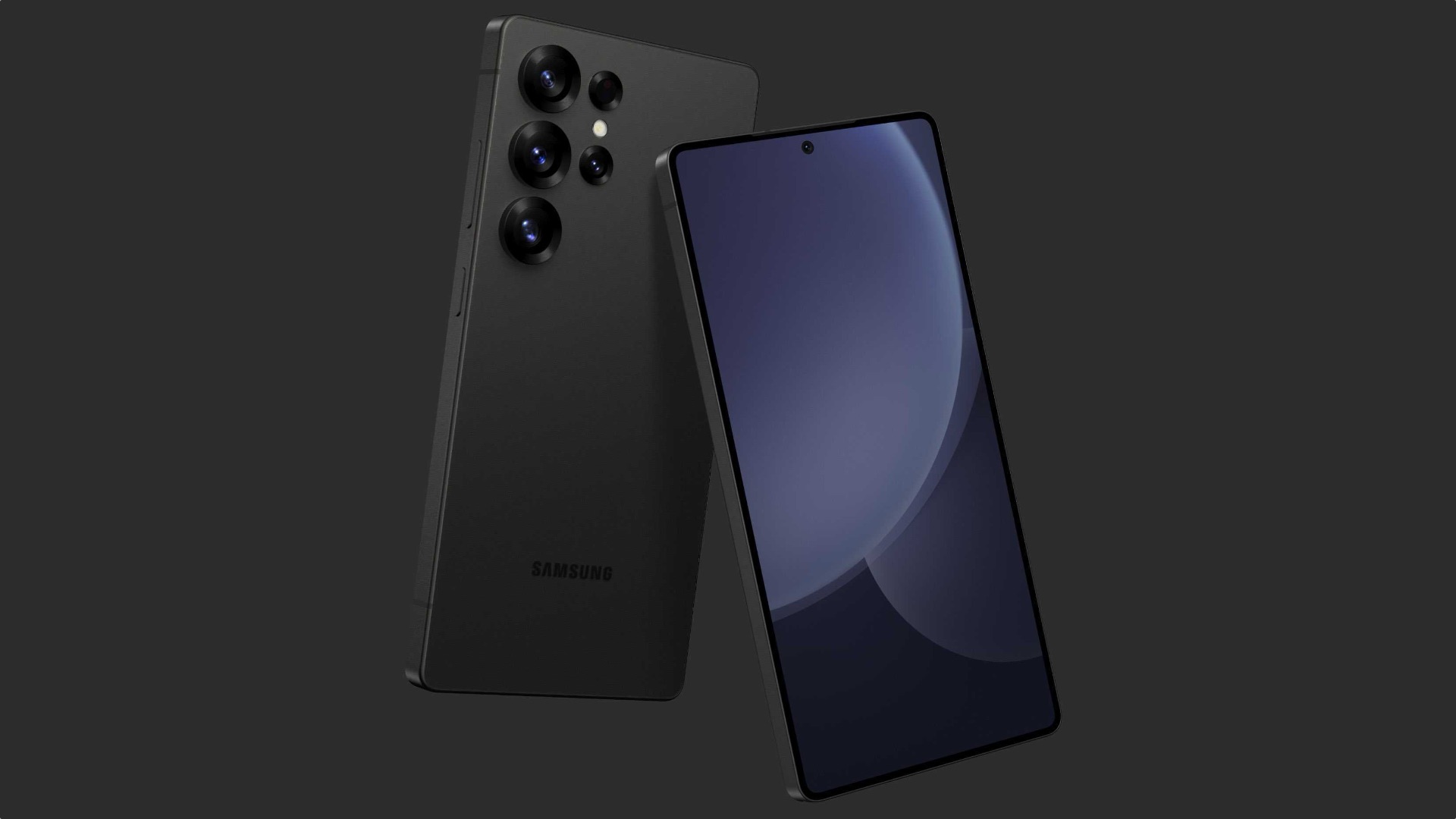
The Samsung Galaxy S25 series is expected to make its debut early next year, with the Galaxy S25 Ultra positioned as the flagship non-foldable smartphone in the lineup. A recent leak suggests that the Galaxy S25 Ultra will feature significantly thinner bezels than its rivals, including the iPhone 16 Pro Max and Xiaomi 15. This news follows the leak of the device’s complete color options, which point to seven distinct variants, including three exclusive to Samsung’s online store.

Industry-Leading Thin Bezels

Renowned tipster Ice Universe shared insights on X (formerly Twitter), claiming to have seen renderings of the Galaxy S25 Ultra. While unable to post the images online, the tipster described the handset’s bezels as thinner than those of any current smartphone. Such design advancements could position the Galaxy S25 Ultra as a standout in terms of aesthetics and screen-to-body ratio. Among the leaked details, the white variant is said to feature a back cover with a subtle silver tint, while its frame will have a lighter silver tone. Additionally, the grey colorway might combine a grey back panel with gold accents for a sophisticated finish.

Diverse Colorway Options

Leaks also indicate a wide range of color options for the Galaxy S25 Ultra. Standard variants reportedly include Titanium Black, Titanium SilverBlue, Titanium Gray, and Titanium WhiteSilver. Meanwhile, Samsung’s online store may exclusively offer Titanium JetBlack, Titanium JadeGreen, and Titanium PinkGold, giving buyers more personalized choices. These color options highlight Samsung’s focus on premium aesthetics and a differentiated customer experience.

Aiming to Redefine Flagship Design

If the rumors hold true, the Galaxy S25 Ultra could set a new benchmark in smartphone design by delivering ultra-thin bezels alongside premium finishes. Combined with its extensive color options, the device is likely to appeal to a broad audience, from enthusiasts seeking cutting-edge design to those desiring unique customization. As Samsung continues to push innovation boundaries, the Galaxy S25 Ultra may further solidify the brand’s reputation as a leader in flagship smartphone development.

Webb Telescope Reveals Extended Lifespan of Planet-Forming Disks in Early Universe

Webb Telescope Solves Longstanding Mystery of Planet-Forming Disks

The James Webb Space Telescope (JWST), a collaboration between NASA, ESA, and CSA, has confirmed a long-standing mystery surrounding planet formation in the early universe. Findings published in The Astrophysical Journal suggest that planet-forming disks around stars lasted much longer than previously thought, even in environments with minimal heavy elements. This revelation is reshaping our understanding of how planets formed in the early stages of the cosmos, challenging established theories and offering new insights into the processes of planet formation.

Unraveling the Hubble Discovery

In 2003, the Hubble Space Telescope observed massive planets orbiting ancient stars, which was a surprising discovery. These stars lacked heavier elements such as carbon and iron—elements considered crucial for planet formation. The existence of planets around such stars raised significant questions about how these celestial bodies could form in the absence of the necessary raw materials. The discovery left astronomers puzzled, as the standard model of planet formation suggested that such environments would be unsuitable for planet growth.

Webb’s Investigations in NGC 346

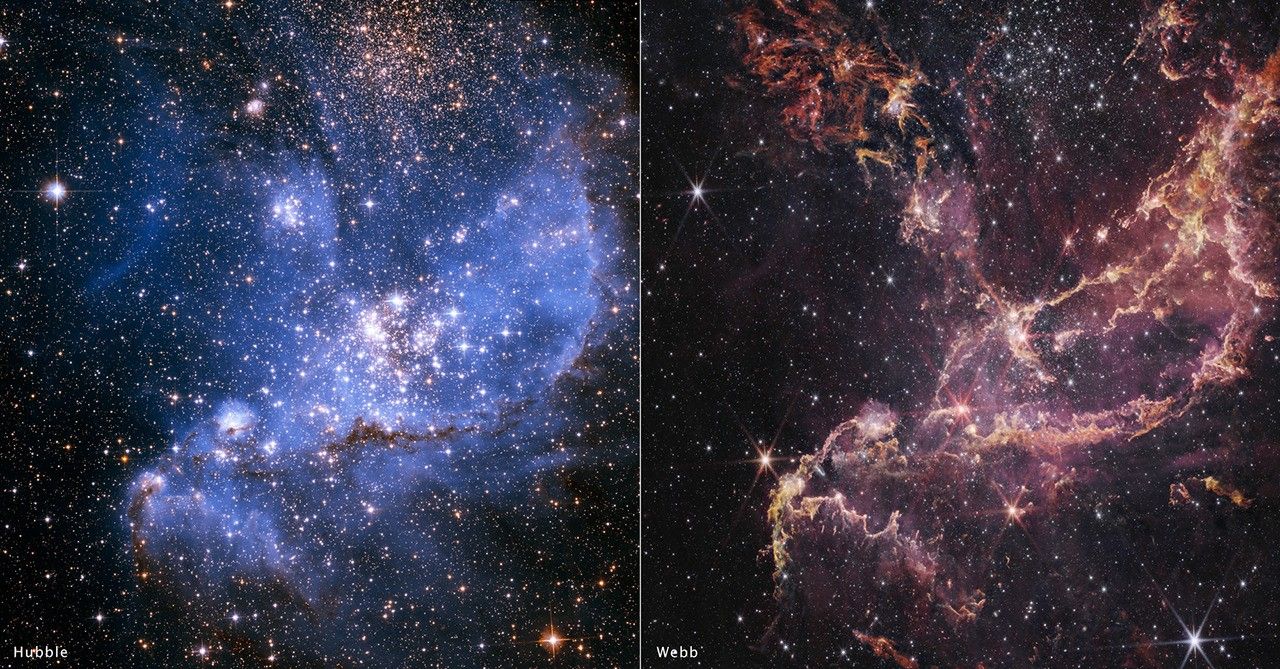
To further investigate this phenomenon, the Webb Telescope focused its attention on NGC 346, a large star cluster located in the Small Magellanic Cloud. As one of the closest neighbors to the Milky Way, NGC 346 offers a unique opportunity to study the conditions that closely resemble those of the early universe. The cluster’s stars, estimated to be only 20 to 30 million years old, were found to retain planet-forming disks far longer than expected. These findings suggest that, under certain conditions, planet formation can occur in environments dominated by hydrogen and helium—elements characteristic of the early universe—extending the timeline for planet development.

Implications for Planet Formation Theory

This new discovery from the Webb Telescope has profound implications for our understanding of planet formation. The fact that planet-forming disks around stars can endure longer than previously thought suggests that the conditions for planet formation in the early universe may have been more favorable than originally believed. This challenges current models and opens up new avenues for research, potentially altering how we think about the development of planetary systems in the distant past. As Webb continues to explore distant star clusters, it promises to provide even more insights into the complex processes that shaped the early universe.