

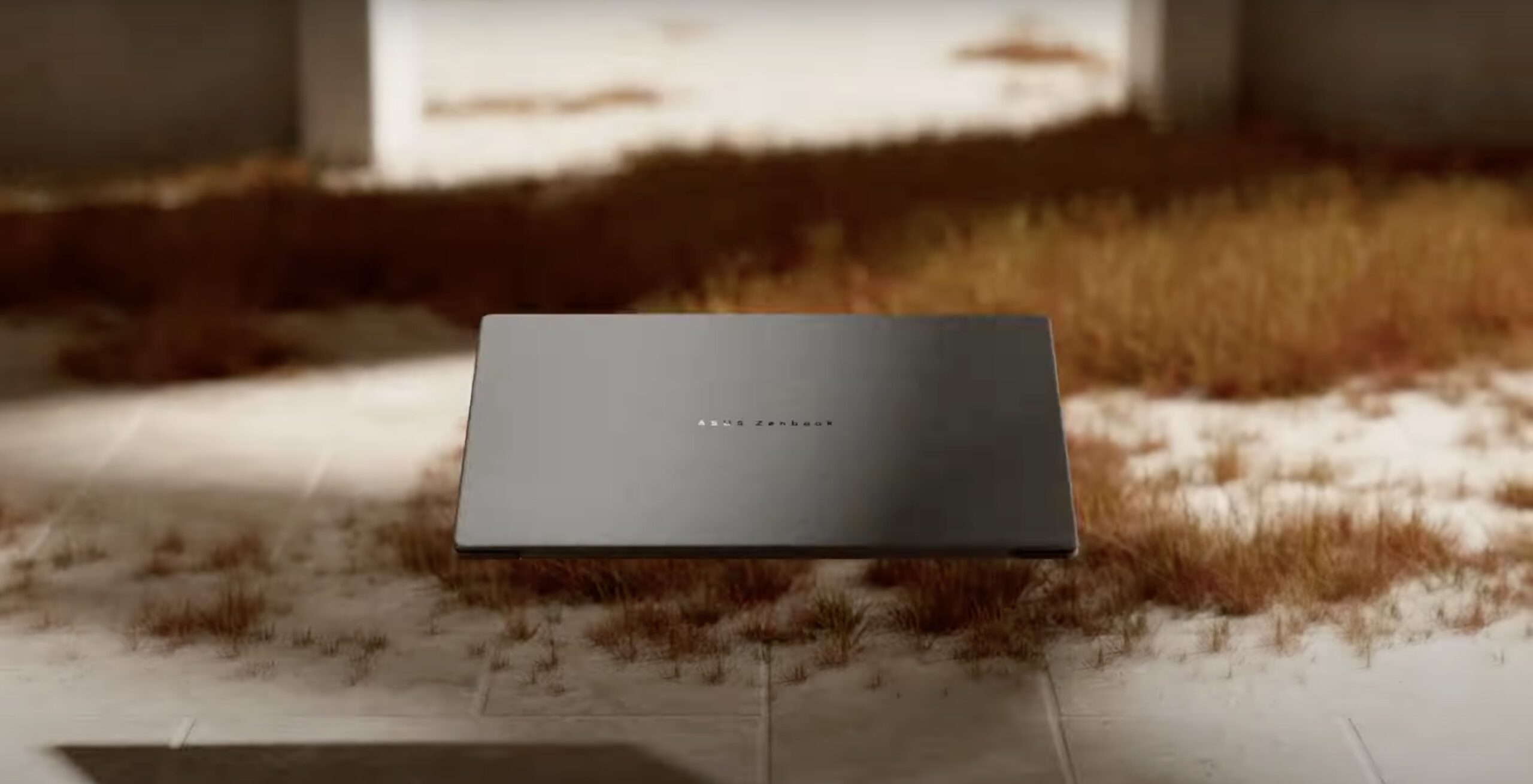
Asus Teases Zenbook With 32-Hour Battery Life and ‘World’s Lightest’ Copilot+ PC Ahead of CES 2025
Asus has announced an exciting new product reveal for CES 2025, slated for January 7, where it will showcase the “world’s lightest” Copilot+ PC as part of its Zenbook lineup. This ultra-thin and lightweight laptop is expected to set new standards in portability, adding to the growing anticipation for tech launches at one of the most significant events in the industry. In addition to the Zenbook, rumors also suggest that Asus will unveil the ROG Strix Laptop, which has been teased to feature a striking RGB underglow.
The highlight of the upcoming Zenbook is its impressive 32-hour battery life on a single charge, which Asus confirmed in a press release. While specific technical details are yet to be disclosed, the long battery life positions this laptop as a powerful yet portable solution for users on the go. Asus’s commitment to pushing the boundaries of battery performance indicates that this device could be a game-changer in the ultra-portable laptop market.
The event will take place at 9 am PT (10:30 pm IST) on January 7, and Asus is expected to provide further insights into the Copilot+ PC’s design and specifications. The company has already stirred excitement with its brief teasers, and tech enthusiasts are eager to see how the Zenbook’s battery performance compares to other competitors in the same category.
Asus’s focus on creating lightweight, long-lasting laptops reflects the growing demand for devices that combine high performance with exceptional portability. The launch of the Zenbook with the Copilot+ PC will likely place Asus at the forefront of the premium laptop market, appealing to professionals, students, and travelers looking for a reliable, all-day device.
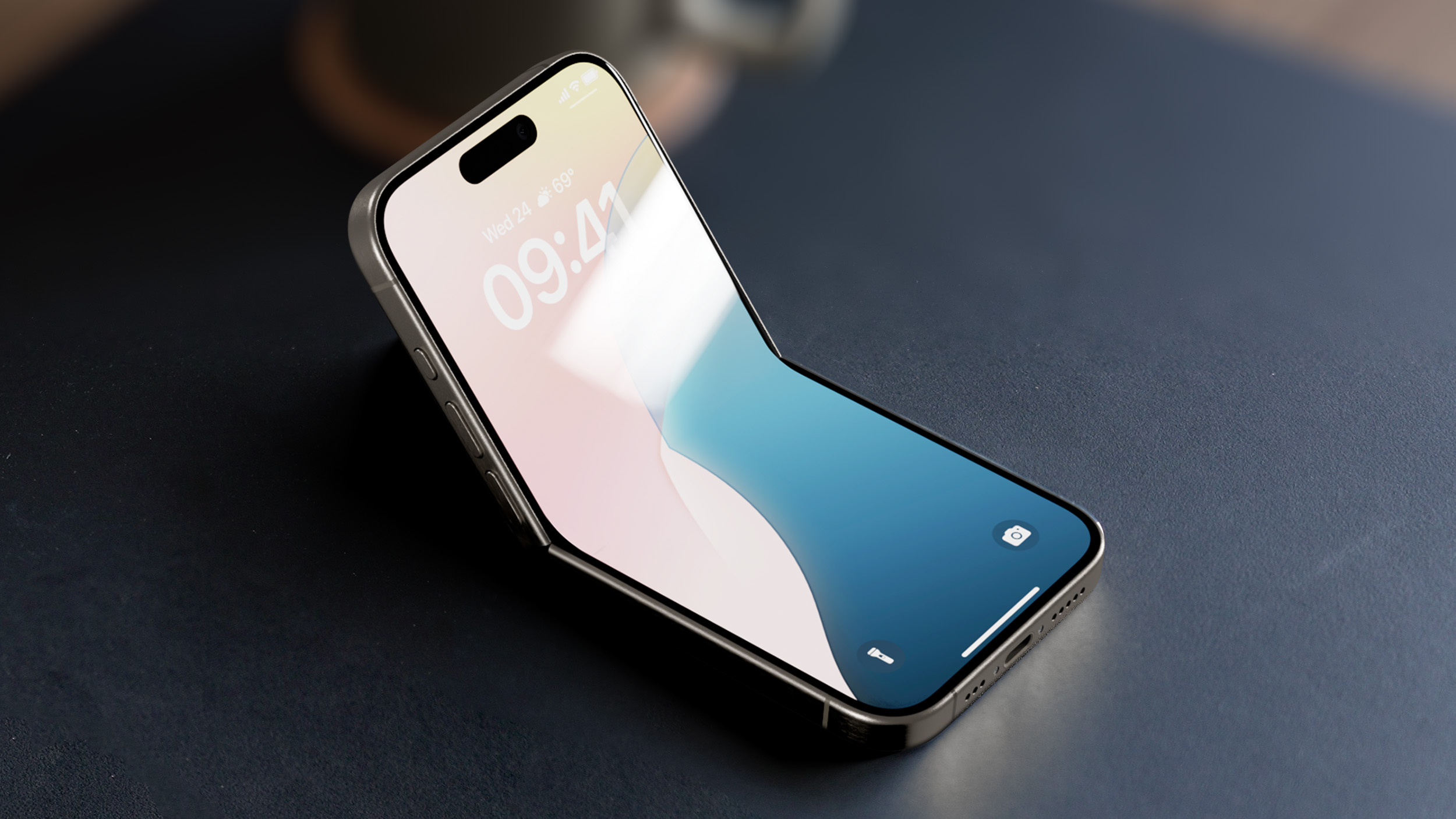
Apple’s Bezel-Less iPhone Reportedly Delayed Beyond 2026 Due to Development Challenges
Apple is reportedly working on an innovative flagship iPhone with a completely bezel-less display, but the project is facing delays. Originally expected to launch in 2026, new reports from Korean industry sources suggest that development challenges have pushed back the timeline. While the latest iPhone 16 and iPhone 16 Pro models have already introduced slimmer bezels compared to their predecessors, achieving a truly bezel-free design presents significant technical hurdles.
According to The Elec, Apple has been collaborating with domestic panel manufacturers Samsung Display and LG Display to develop the necessary technology for a bezel-free OLED display. However, the progress has been slower than anticipated. Industry insiders suggest that the current state of thin film encapsulation (TFE) and optical clear adhesive (OCA) technology—key components required to eliminate bezels—remains insufficient for mass production.
Apple’s vision for a zero-bezel display includes maintaining its signature flat display and angular design while extending the screen to flow down the sides, similar to the Apple Watch. This requires precise manufacturing techniques to protect the OLED panels from moisture and oxygen while ensuring seamless bonding with a transparent adhesive layer. The slow development of OCA technology, in particular, has been cited as a major bottleneck in the process.
Despite these setbacks, Apple continues to push for advancements in display technology as it seeks to set a new standard in smartphone design. While the delay may frustrate enthusiasts hoping for a bezel-free iPhone sooner, the company appears focused on ensuring the technology is robust enough to meet its high-quality standards before release.