
xAI, Led by Elon Musk, Trials Standalone Grok AI App for iOS

xAI, the artificial intelligence company owned by Elon Musk, is currently testing a standalone app for its proprietary chatbot, Grok. The app, which is still in its beta phase, is exclusively available on iOS and can only be accessed in select regions. This marks the first time Grok is being offered as a standalone product, separate from the X platform (formerly Twitter), which has been the chatbot’s previous home. Additionally, the app integrates with the recently launched AI-powered image generator, Aurora, allowing users to generate images as part of their interactions with Grok.

The release of the Grok app follows a report from last month that xAI was planning to offer Grok as an independent product. Prior to this, Grok was only accessible through the X platform, making this move a significant step toward broadening its availability. By offering a standalone app, xAI aims to make Grok more widely accessible and usable for individuals who may not have a need for the social media platform itself but are interested in interacting with the AI.

As of now, the Grok beta app is only listed on the App Store in the Australian region, though it is unclear whether it is available in other regions. Staff members from Gadgets 360 were unable to find the app in India, indicating that its availability is still limited. The beta phase suggests that xAI is testing the waters to refine the app and gather user feedback before potentially expanding its global reach.

With this new development, xAI seems to be positioning Grok as a more versatile tool, accessible directly to users who prefer not to engage with the X platform. The integration of AI features like Aurora also signals that xAI is exploring creative and multimedia capabilities, which could enhance the overall user experience. As the beta progresses, it will be interesting to see how Grok evolves and whether it gains traction among users beyond the X ecosystem.
MediaTek Unveils Dimensity 8400 Chipset with Enhanced Multi-Core Performance and AI Features

MediaTek introduced its latest mobile chipset, the Dimensity 8400, on Monday, designed to target the premium smartphone market. The new processor features an all-big-core configuration, which aims to provide enhanced performance and efficiency. According to MediaTek, the Dimensity 8400 delivers a significant 41% improvement in multi-core performance over its predecessor, the Dimensity 8300. This boost in performance is complemented by advanced AI capabilities, with a dedicated neural processing unit (NPU) that can accelerate generative AI tasks, marking a step forward in AI-powered mobile experiences.

The Dimensity 8400 chipset is expected to power Android devices by the end of 2024. Xiaomi has already confirmed that its upcoming Redmi Turbo 4 in China, which is speculated to launch early next year, will feature this new SoC. The arrival of this chipset signals a move towards more powerful mobile devices with superior processing speeds and AI-driven capabilities, adding to the growing demand for advanced hardware in the smartphone market.

In terms of specifications, the Dimensity 8400 chipset is a clear step up from the Dimensity 8300, offering enhanced power and efficiency. The chipset boasts eight Arm Cortex-A725 cores, each with a peak clock speed of 4.32GHz. These cores are equipped with varying memory caches to optimize performance for different tasks. MediaTek claims that the Dimensity 8400 provides a 41% improvement in multi-core performance, allowing for smoother multitasking and gaming experiences. Additionally, the chip is designed to precisely control the power curve of the CPU, resulting in a 44% reduction in power consumption compared to its predecessor.

With its focus on performance and energy efficiency, the Dimensity 8400 chipset is positioned as a high-end solution for next-generation smartphones. The improved multi-core capabilities and AI enhancements provide a significant edge for devices running on this chipset, especially in areas like machine learning, imaging, and real-time data processing. As we approach the end of 2024, the market can expect to see a growing number of devices powered by this advanced mobile processor, offering consumers powerful and efficient smartphones.

Leaked Details Reveal Oppo Find X8 Ultra’s Periscope Telephoto Camera Features

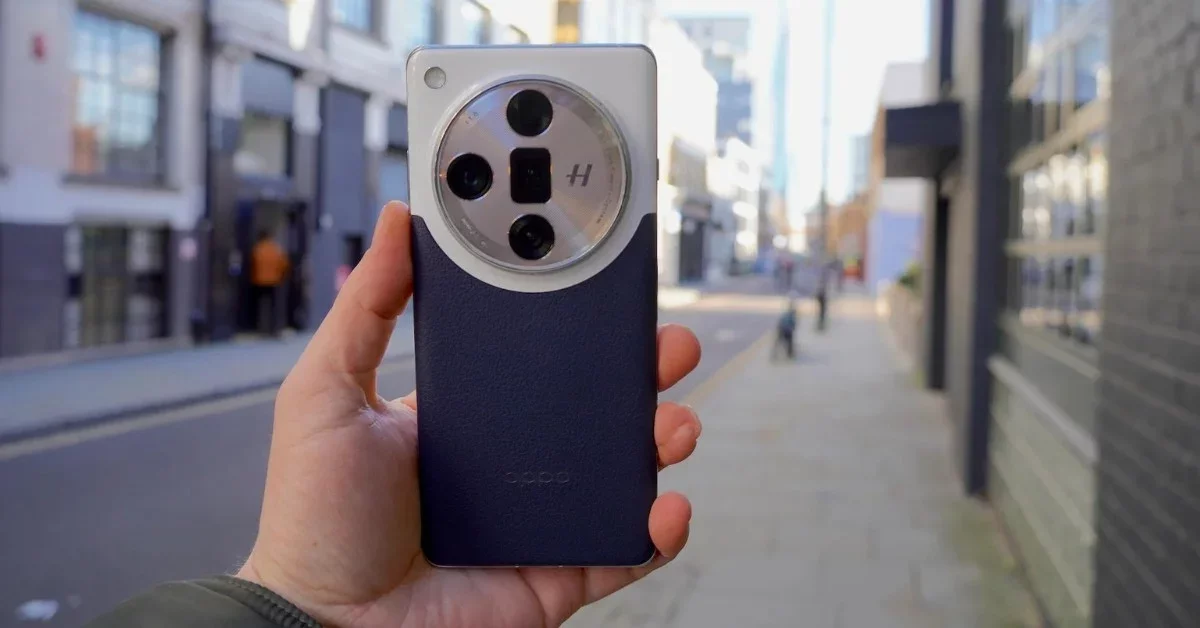
Oppo is set to reveal the highly anticipated Find X8 Ultra in China early next year, and recent leaks have begun to surface, providing insights into the smartphone’s advanced camera capabilities. According to a trusted Chinese tipster, the upcoming device will feature not one, but two periscope telephoto cameras: a 3x optical zoom camera and a 6x optical zoom camera. These details come as part of a growing series of leaks surrounding the Oppo Find X8 series, which will also include the Find X8 and Find X8 Pro variants.

The tipster, Digital Chat Station, shared the information on Weibo, claiming that the Oppo Find X8 Ultra will be equipped with two powerful telephoto sensors. The first is a 50-megapixel Sony IMX906 sensor with a 1/1.56-inch size, capable of delivering 3x optical zoom. The second telephoto sensor will be a 50-megapixel Sony IMX882 sensor with a slightly smaller 1/2-inch size but capable of providing 6x optical zoom. These specs indicate Oppo’s focus on delivering exceptional zoom capabilities for the upcoming flagship.

While the tipster didn’t provide further details about the other camera features of the Find X8 Ultra, past leaks suggest that the primary camera might include a 50-megapixel Sony LYT-900 sensor, similar to the setup seen in the Oppo Find X7 Ultra. This would mean that the Find X8 Ultra is likely to offer a top-tier camera experience, particularly with its focus on high-quality zoom lenses, making it a potential contender in the premium smartphone market.

As the launch date draws nearer, more information is expected to emerge, giving a clearer picture of the full camera setup and overall specifications of the Oppo Find X8 Ultra. With these advanced periscope telephoto sensors, the smartphone is shaping up to be a powerful option for users seeking cutting-edge photography features, particularly for long-range zoom and detailed telephoto shots.