


The upcoming AirPods Pro 3 are expected to serve as the successor to the AirPods Pro (2nd generation), which were released in 2022. The previous generation saw a notable upgrade in September 2024, when Apple introduced hearing aid capabilities through a software update. Now, attention is turning to the third generation of AirPods Pro, with reports suggesting that Apple plans to incorporate several health-tracking features. According to industry analyst Mark Gurman, Apple is currently in the early stages of developing the AirPods Pro 3, which could come equipped with a range of health monitoring sensors.
In his latest Power On newsletter, Gurman outlined some of the anticipated health features for the AirPods Pro 3. These include a temperature sensor, a heart-rate monitor, and “technology that tracks a slew of physiological measures.” If true, this would mark a significant expansion of the AirPods Pro’s capabilities, turning them into a more comprehensive health monitoring device in addition to their current audio functionality. Apple’s push into health-tracking features aligns with the growing trend of wearables offering more advanced health metrics, similar to what we see with the Apple Watch.
However, while the AirPods Pro 3 may offer health features like heart-rate monitoring, Gurman notes that initial internal testing has shown the heart-rate data from these earphones is not as accurate as the measurements taken by the Apple Watch. While the heart-rate readings from the AirPods Pro 3 are close to those of the Apple Watch, they are still slightly off. This suggests that Apple is still refining the technology, with the goal of improving the accuracy of these measurements as development progresses.
Despite the current limitations, the inclusion of health-tracking features in the AirPods Pro 3 signals Apple’s continued commitment to expanding its health ecosystem. With the company already leading the way with the Apple Watch’s health and fitness features, the addition of these sensors to the AirPods Pro 3 could offer users even more ways to monitor their well-being seamlessly throughout the day. As Apple moves forward with this development, it will be interesting to see how these features evolve and whether they will be integrated into other products in the future.
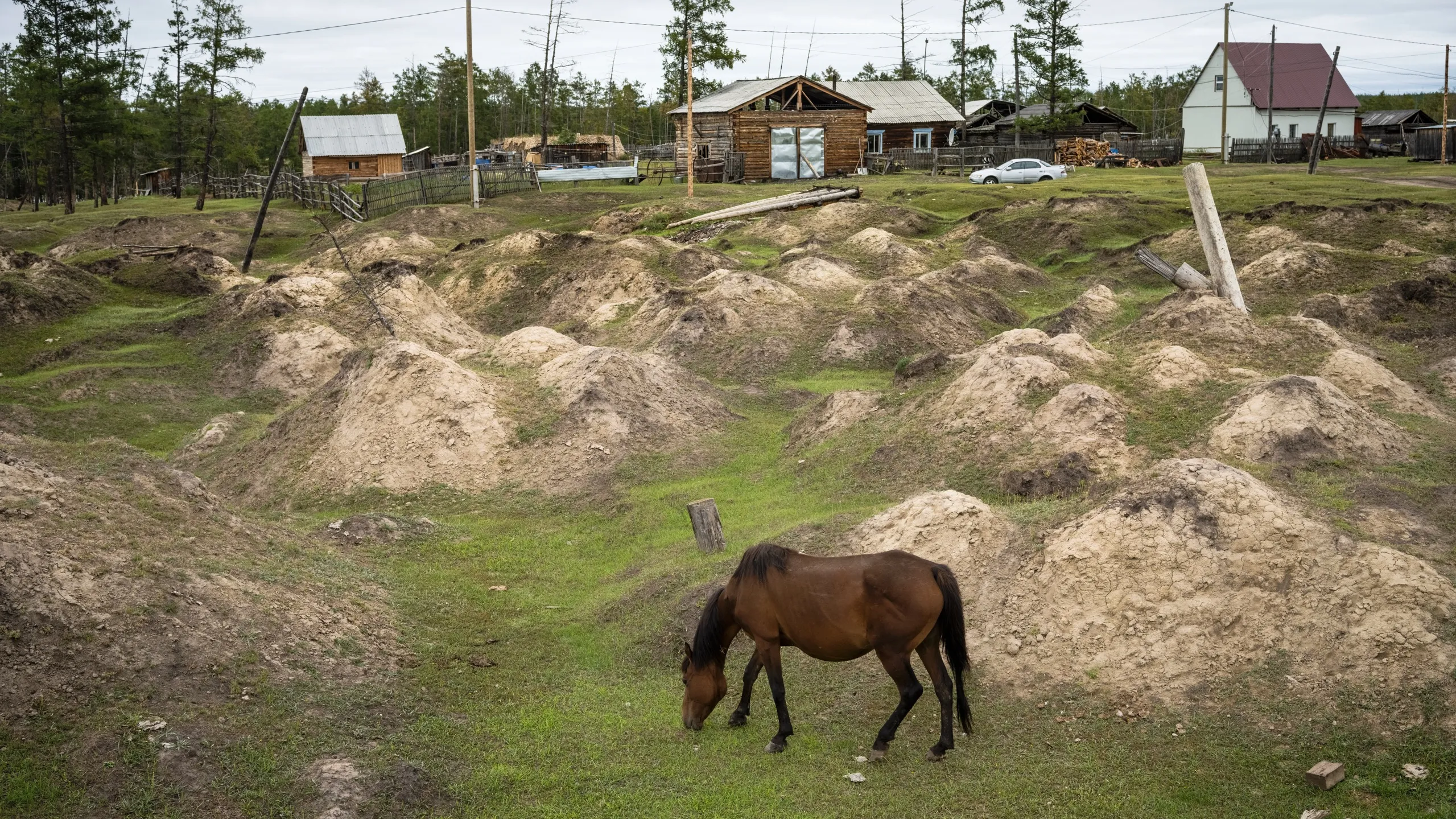
A new study, currently under review in Climate of the Past, reveals that summers in Arctic Siberia were up to 10°C warmer during the Last Interglacial period, which occurred around 115,000 to 130,000 years ago. This research, led by Dr. Lutz Schirrmeister and colleagues from the Helmholtz Center for Polar and Marine Research in Germany, sheds light on how polar ecosystems responded to a period of heightened warmth. Using sediment cores and fossil remains, the team was able to reconstruct the climate of the region during this warm phase, providing critical insights into the historical climate dynamics of the Arctic.
One of the key findings of the study is the amplification of warming in the Arctic compared to the broader northern hemisphere, which was driven by a phenomenon known as ice-albedo feedback. This process occurs when melting ice reduces the amount of solar radiation that is reflected back into space, thereby increasing the amount of heat absorbed by the Earth’s surface. The researchers found that this feedback loop significantly accelerated warming in Arctic Siberia during the Last Interglacial, contributing to the higher-than-average temperatures observed in the region.
The team conducted fieldwork in coastal sections along Siberia’s Dmitry Laptev Strait, where landscapes shaped by permafrost have been well-preserved. This area provided a unique opportunity to study the impacts of climate change on the region’s environment. The thermokarst topography in the area, formed by the thawing of ice-rich permafrost, helped the researchers gain valuable insights into past climate conditions. By analyzing sediment cores from layers of peat, clay, and silt, they were able to trace the climate history of the region.
The sediment cores, collected between 1999 and 2014, contained fossil evidence, including pollen, insects, and mollusks, which helped the team reconstruct the vegetation and climate of the past. Their findings indicate that during the Last Interglacial, the Arctic environment underwent significant shifts, with changes in vegetation patterns and climate conditions that are now being closely studied to better understand how polar regions might respond to current and future climate change. The study highlights the importance of examining historical climate data to anticipate the effects of ongoing warming in the Arctic.