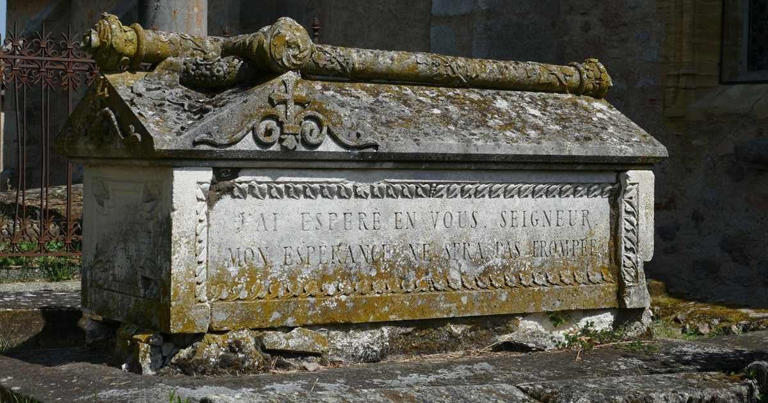
Roman-Era Cemetery Discovered in Cambridgeshire Unveils Rare Gypsum Burial and Artifacts

Roman-Era Cemetery Unearthed in Cambridgeshire Reveals Rare Gypsum Burial and Artifacts

In a remarkable archaeological discovery in Cambridgeshire, researchers have uncovered a Roman-era cemetery that includes an extraordinary burial involving liquid gypsum. The central grave, believed to belong to a high-status individual, was encased in a stone coffin with gypsum poured around the body. While this practice was documented in Roman times, it remains poorly understood, offering rare insights into ancient Roman burial rituals. The gypsum used in the burial preserved fabric impressions, providing a unique glimpse into the clothing worn by the deceased.

Uncovering the Gypsum Burial and Its Significance

Headland Archaeology, the firm overseeing the excavation, noted that this type of gypsum burial is more commonly found in Roman urban centers, making its discovery in a rural area particularly significant. The gypsum used in the burial was sourced from a quarry located about 50 kilometers away, a sign of the considerable expense and effort required to transport the material. This suggests that the deceased held a prominent status, as the burial ritual would have been costly and involved significant resources. Jessica Lowther, a community archaeologist with Headland, emphasized that the elaborate burial process highlighted the individual’s elite standing in society.

Exploring the Cemetery and Its Diverse Burials

The cemetery was uncovered during pre-construction excavations for a highway expansion project, revealing 14 graves surrounding the central gypsum burial. Additionally, seven more graves were located beyond a boundary ditch. The diversity in burial practices within the cemetery adds to its historical value. Alongside the gypsum burial, archaeologists found cist burials, cremations, and even decapitations. Some graves featured wooden coffins, identified by iron nails, further enriching the variety of burial traditions practiced in the area during the Roman period.

A Window into Roman Life and Death

This discovery offers a rare opportunity to study Roman-era burial customs in a rural setting, shedding light on the social stratification and rituals of the time. The presence of the gypsum burial, in particular, provides a unique look at the practices of elite Roman individuals, showcasing the importance placed on death rituals and the preservation of the body. As archaeologists continue to analyze the site, more insights into the ancient world are likely to emerge, offering a deeper understanding of Roman life and death in rural Britain.
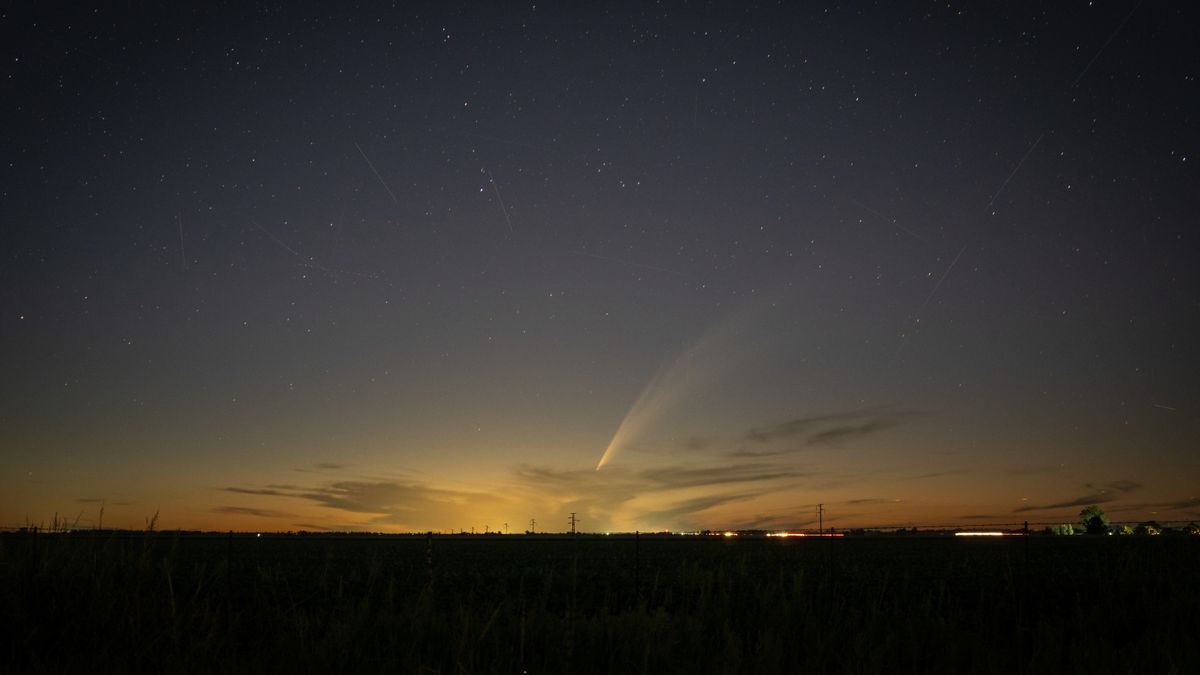
Comet C/2024 G3 Shows Signs of Fragmentation Following Close Pass by the Sun

Comet C/2024 G3 May Be Breaking Apart After Close Solar Encounter

New data indicates that Comet C/2024 G3 (ATLAS), which recently became visible to the naked eye, might be undergoing disintegration following its close approach to the Sun. On January 15, during its perihelion — the point in its orbit closest to the Sun — the comet was exposed to intense solar radiation, which could have caused significant thermal stress. Initially, the comet appeared unaffected, but recent astrophotographic images have shown signs that the comet’s structure might be deteriorating. As it moves away from the Sun and back toward the distant Oort Cloud, it is expected to remain there for around 160,000 years before returning.

Signs of Potential Disintegration

Astrophotographs taken between January 18 and 20 by Hungarian photographer Lionel Majzik, from Chile, reveal notable changes in the comet. The images, which were shared on Spaceweather.com, show that the comet’s coma has dimmed significantly, and its tail now features a bright streak, or “streamer.” These changes suggest that gas and dust might be escaping from the comet, possibly due to cracks forming in its nucleus. The appearance of the streamer and the dimming of the coma point to thermal stress from the close solar encounter, which might have weakened the comet’s structure.

Expert Insights and Theories

Richard Miles, a comet expert from the British Astronomical Association, noted that early observations after the comet passed its perihelion showed no signs of damage. However, with the recent discovery of the dimming coma and the development of the streamer, experts are reconsidering the comet’s stability. Predicting the behavior of comets is notoriously difficult, especially when they are affected by such extreme forces as those from the Sun. Some experts, including amateur astronomer Nicolas Lefaudeux, believe that fluctuations in the comet’s brightness could be related to its changing position relative to the Sun. Yet, the appearance of the streamer does not align with this theory, suggesting that more significant changes may be taking place in the comet’s structure.

Looking Ahead

As Comet C/2024 G3 continues its journey back to the Oort Cloud, scientists will closely monitor its behavior. The comet’s current signs of disintegration could offer valuable insights into the physical processes that occur when a comet is subjected to intense solar heat and radiation. While its fate remains uncertain, the recent observations have added another layer of intrigue to the already fascinating journey of this newly visible comet.

President Trump Signs Executive Orders on Crypto and AI Advancements

President Trump Signs Executive Actions to Support Cryptocurrency and AI Industries

President Donald Trump has signed a series of executive actions aimed at strengthening two emerging sectors: cryptocurrency and Artificial Intelligence (AI). These initiatives signal the administration’s commitment to shaping the future of these innovative fields, positioning them for growth and development in the coming years.

Accompanying the president during the signing was David Sacks, a venture capitalist with significant influence in both the AI and crypto spaces. Sacks, who has also served as the White House’s point person on crypto and AI policy, played a key role in crafting the executive orders. His involvement reflects the administration’s recognition of the importance of industry leaders in guiding government policy on these technologies.

One of the key components of the executive order is the establishment of a working group focused on cryptocurrency. This group will include representatives from major federal agencies such as the Treasury Department, Justice Department, Securities and Exchange Commission (SEC), and the Commodity Futures Trading Commission (CFTC). Their task will be to develop a comprehensive regulatory framework for digital assets. The group is expected to submit a report to the president within six months, offering recommendations for regulation and legislation, including the possibility of creating a national digital asset stockpile.

While the move was hailed by some in the crypto industry, reactions were mixed. Kara Calvert, Vice President for US Policy at Coinbase, the largest US cryptocurrency exchange, praised the president for taking decisive action and acknowledging the need for external expertise in shaping digital asset regulations. However, not all crypto advocates were satisfied. Some Bitcoin supporters expressed disappointment, particularly because the executive order did not prioritize Bitcoin as the centerpiece of a potential national reserve, an idea Trump had supported during his campaign. This omission left many wondering about the future direction of the government’s approach to cryptocurrencies.