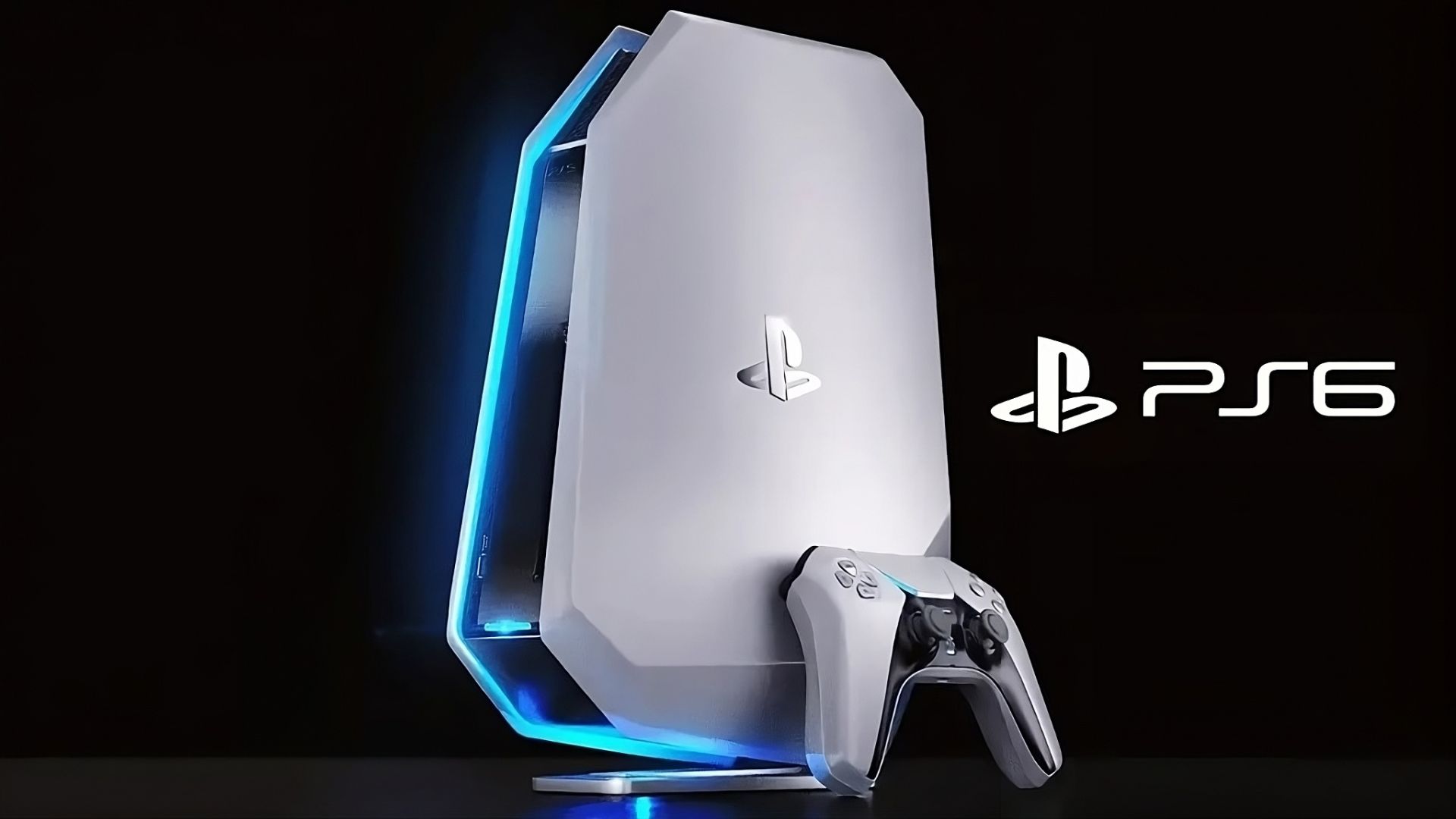
PS6 Rumored to Launch in 2027 with Chip Design Reportedly Finalized

Sony is reportedly making significant progress on the development of its next-generation gaming console, the PlayStation 6 (PS6). While earlier court documents from Microsoft’s trial with the US Federal Trade Commission (FTC) suggested that both the next Xbox and PS6 would likely debut around 2028, new information hints at an accelerated timeline for Sony. According to recent leaks, the design of the chip that will power the PS6 has already been completed, and Sony could begin producing the system-on-chip (SoC) for testing as early as late 2025. This development suggests that the PS6 could potentially hit the market in 2027, a year earlier than previously anticipated.

The news comes from KeplerL2, a well-known leaker in the gaming community who has accurately revealed details about PlayStation hardware in the past, including specs for the PS5 Pro before its official announcement. In a series of posts on the gaming forum NeoGAF, KeplerL2 claimed that Sony’s work on the PS6’s SoC has reached the design completion phase. They further noted that pre-silicon validation is already underway, with the A0 tapeout—the first physical iteration of the chip—scheduled for later this year. This milestone is a critical step in hardware development, indicating that Sony is moving swiftly through the initial stages of production.

The completion of the PS6’s chip design points to Sony’s ambition to maintain its competitive edge in the console market. If chip production for testing starts in late 2025, it allows ample time for refinement, performance evaluations, and debugging before mass production begins. This timeline aligns with the typical development cycle for new gaming consoles, where companies finalize hardware designs years before an official release. It also suggests that Sony is keen on avoiding supply chain issues that impacted the PS5’s early availability, potentially ensuring a smoother launch for the PS6.

While official details from Sony remain scarce, this leak has generated considerable excitement within the gaming community. If the PS6 does launch in 2027, it would mark a seven-year gap since the PS5’s release in 2020, consistent with Sony’s previous console generation timelines. As anticipation builds, gamers are eager to see what innovations the PS6 will bring, particularly regarding performance upgrades, immersive experiences, and advanced technologies that could redefine next-gen gaming. Until Sony provides official confirmation, these details remain speculative but offer an intriguing glimpse into the future of PlayStation.

Nothing Teases New Smartphone Featuring Dual Rear Cameras and Transparent Design

Nothing, the UK-based original equipment manufacturer (OEM), is gearing up to expand its smartphone lineup with the anticipated launch of multiple new devices, including a potential flagship model. These upcoming releases are expected to follow the Nothing Phone 2, which gained attention for its unique design and user interface. Recently, the company has sparked fresh excitement by teasing what could be its next smartphone through a series of intriguing social media posts. True to Nothing’s signature style, the teaser hints at a transparent design and a dual rear camera setup, elements that have become synonymous with the brand’s identity.

The teasers, shared via Nothing’s official handle on X (formerly Twitter), consist of several design sketches accompanied by the text “WIP,” presumably standing for “work in progress.” These sketches offer a glimpse of the smartphone’s design language, showcasing a partially transparent back panel with visible screws and hardware components, maintaining the brand’s minimalist and industrial aesthetic. This design approach has distinguished Nothing in the crowded smartphone market, appealing to consumers who favor unique and futuristic-looking devices.

The most noticeable feature in the sketches is the dual rear camera setup, which suggests that the company is focusing on enhancing its photography capabilities. While specific details about the camera specifications have not been revealed, the arrangement hints at a possible upgrade from the Nothing Phone 2’s imaging system. Given the growing importance of advanced camera technology in smartphones, this move could help Nothing compete more aggressively with other mid-range and flagship devices from established brands.

As Nothing continues to build anticipation for its new smartphone, the company’s marketing strategy remains rooted in generating buzz through cryptic yet visually striking teasers. While the exact launch date has yet to be confirmed, industry insiders speculate that an official announcement could be made in the coming months. With its transparent design philosophy, innovative features, and bold marketing tactics, Nothing is positioning itself as a disruptive force in the smartphone industry, aiming to attract tech enthusiasts looking for something beyond the ordinary.

WhatsApp and Meta Get Relief as NCLAT Lifts Data Sharing Ban

Meta Platforms and WhatsApp received a significant relief from an Indian tribunal, as the National Company Law Appellate Tribunal (NCLAT) temporarily suspended a five-year ban on data sharing between WhatsApp and other Meta entities. The ban had been imposed by the Competition Commission of India (CCI) in November, and the suspension provides Meta with a crucial reprieve. The tech giant had warned that this restriction could severely impact its advertising business, particularly by disrupting the way it targets users across its platforms.

Meta had contested the CCI’s directive, arguing that the data sharing ban would have serious consequences, including the potential rollback of certain features essential for its business model. Specifically, Meta criticized the CCI for lacking the “technical expertise” necessary to fully understand the complex implications of such an order. According to Meta, the inability to share data between WhatsApp and its other platforms would create significant operational challenges, particularly affecting its ability to target advertisements effectively across platforms.

On Thursday, the NCLAT issued an order suspending the data sharing ban while it continues to examine Meta’s appeal against the CCI’s antitrust decision. The tribunal acknowledged that enforcing the ban could lead to a “collapse” of WhatsApp’s business model, emphasizing the substantial consequences for both WhatsApp and Meta if the restriction were to remain in place. The temporary suspension allows Meta to continue its operations while the legal process unfolds, offering a crucial window for the company to make its case.

India is Meta’s largest market, with more than 350 million Facebook users and over 500 million WhatsApp users. The potential disruption caused by the data sharing ban could have far-reaching consequences, not only for Meta’s advertising business but also for the broader ecosystem of businesses that rely on Meta’s platforms for targeted advertising. In its appeal to the NCLAT, Meta had highlighted the risk of having to pause or roll back certain features, such as those allowing businesses in India to personalize ads based on user interactions across WhatsApp and other Meta services. The ongoing legal battle underscores the increasing scrutiny faced by global tech companies operating in India, particularly concerning data privacy and competition issues.