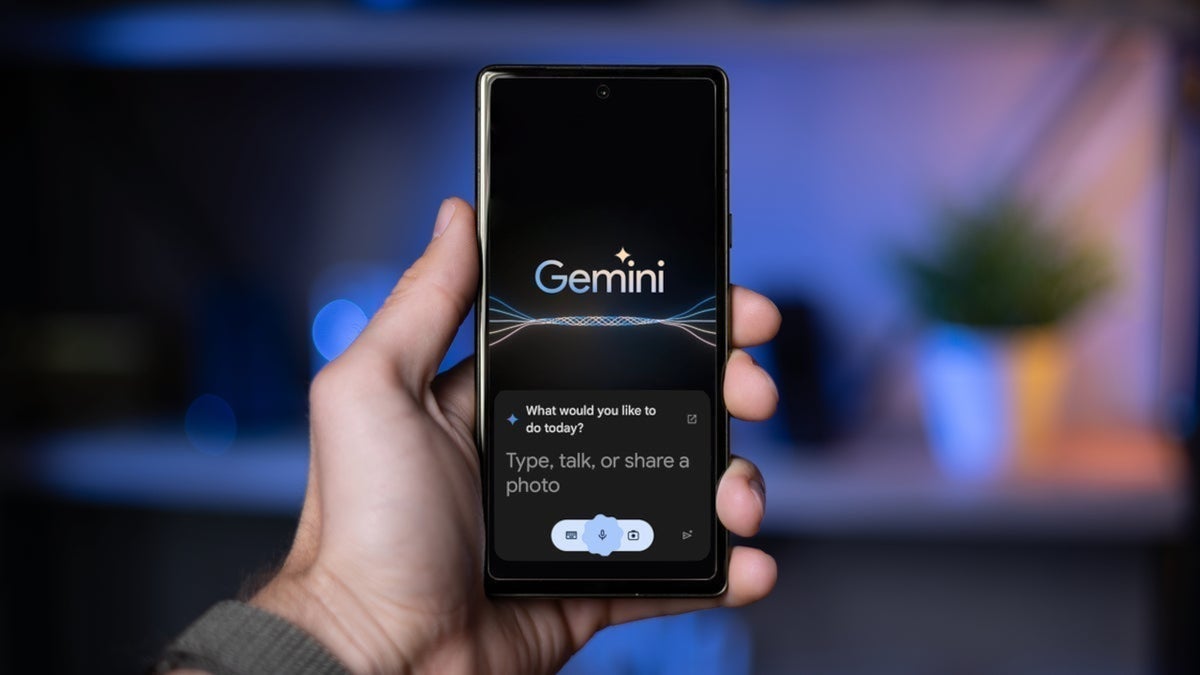
Gemini Extensions Now Compatible with Android Lock Screen

Google has expanded the capabilities of its Gemini AI assistant by enabling extensions to work directly on the lock screen of Android devices. While Gemini was previously able to perform some basic tasks like turning on the flashlight or setting an alarm, these functions were routed through Google Assistant. Now, with this new update, Gemini can execute these tasks autonomously on the lock screen, providing a more seamless experience for users without needing to unlock their device or interact with Google Assistant.

In a detailed support page, Google explained that the Gemini extensions, which were initially introduced last year, are now available to perform on-device tasks even when the device is locked. These extensions allow Gemini to interact with various apps and features on the phone, streamlining the process of managing routine tasks. While this update adds more flexibility, tasks that require access to personal information from apps—such as checking messages or performing secure transactions—will still necessitate unlocking the device first for privacy and security reasons.

Gemini extensions were previously available through the web client and Android app, but the integration with the lock screen is a significant step forward in making the AI assistant more versatile. The update reduces friction for users who need to carry out simple tasks, such as setting reminders or controlling media, without unlocking their phones. This is expected to enhance convenience for Android users, as it brings more functionality to the device’s lock screen.

For many Android users, this improvement marks a major leap in how AI assistants can be utilized in everyday scenarios. The ability to quickly perform actions without unlocking the phone is particularly useful for on-the-go moments, where speed and efficiency are key. As Google continues to refine and expand Gemini’s capabilities, we can expect even more innovative features to emerge, further integrating AI into the user experience.
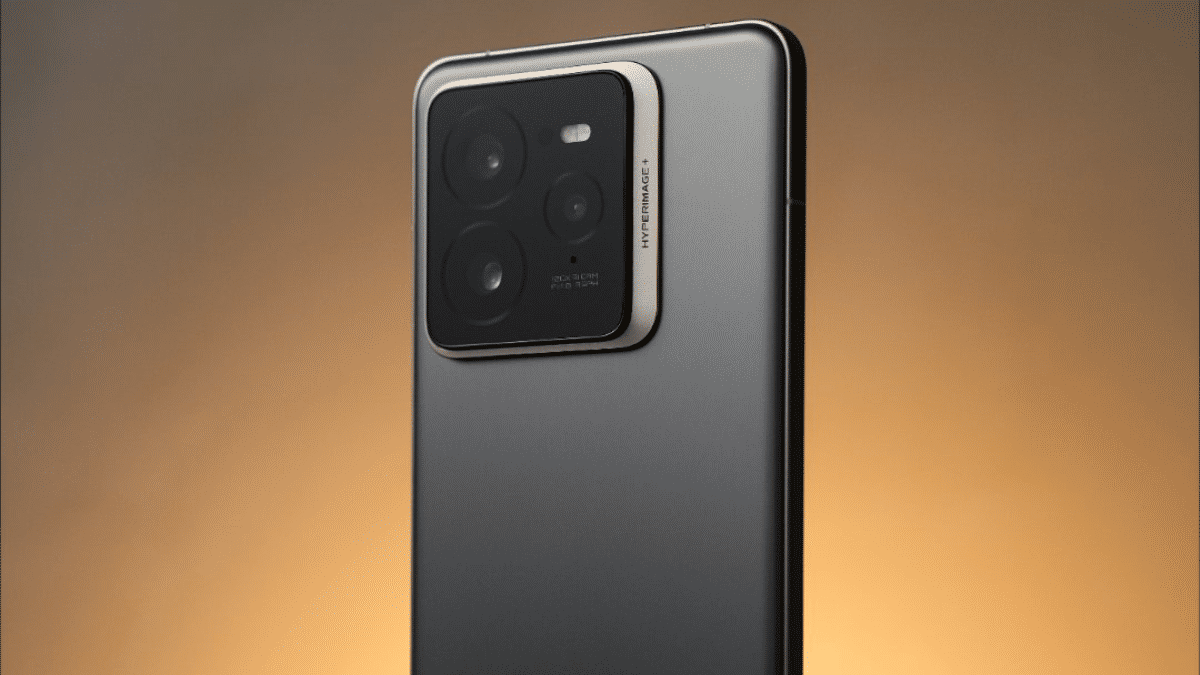

Realme GT 7 Spotted on Geekbench with Snapdragon 8 Elite Chip and 16GB RAM

The Realme GT 7 is expected to make its debut soon as the successor to the Realme GT 6, and ahead of any official announcements, the device has surfaced on the Geekbench benchmarking platform. The listing reveals some important specifications, including a powerful octa-core Qualcomm chipset. It appears that the model number for this upcoming smartphone will be RMX5090, which has previously been certified by 3C and TENAA in China, hinting at an imminent launch.

In the Geekbench listing, the Realme GT 7, identified by the model number RMX5090, has demonstrated impressive benchmark scores. The device scored 2,904 points in single-core tests and 8,976 points in multi-core tests, indicating strong performance. Additionally, the phone is listed with Android 15, which suggests it will run the latest Android version out of the box. The phone is also equipped with 14.75GB of RAM, which could be rounded up to 16GB when released, providing substantial memory for smooth multitasking and high performance.

The listing also reveals details about the Realme GT 7’s chipset, which is an octa-core Qualcomm processor built on ARMv8 architecture, with a motherboard code-named “sun.” The chipset includes six cores running at 3.53GHz and two high-performance cores clocked at 4.32GHz, pointing to the Snapdragon 8 Elite processor. This powerful configuration is expected to deliver a seamless and responsive user experience, especially when handling demanding tasks like gaming and multitasking.

With the device’s high benchmark scores and advanced specifications, the Realme GT 7 is shaping up to be a strong contender in the premium smartphone market. The combination of the Snapdragon 8 Elite chipset, a large amount of RAM, and the latest Android software positions the GT 7 as a highly anticipated release. As Realme continues to build on its GT series legacy, fans can expect an exciting launch that brings cutting-edge performance and features to the table.

Nike Launches Air Max Dn8 with Dynamic Air Technology and Dual Pressure Air Units for Enhanced Motion

Nike has unveiled its latest innovation, the Air Max Dn8, which incorporates the brand’s upgraded Dynamic Air technology featuring dual-pressured air units. This new model builds on the Air Max Dn released last year, which first introduced the technology. The Air Max Dn8 takes it a step further by extending the air units across the full length of the foot, aiming to provide enhanced cushioning, improved flow, a better sensory feel, and increased motion. Nike promises that these upgrades will not only enhance the wearer’s comfort but also retain the shoe’s sleek, low-profile design.

One of the standout moments leading up to the Air Max Dn8’s official release was when the San Antonio Spurs’ rookie, Victor Wembanyama, was spotted wearing the shoe during the NBA Global Games series in Paris. At the time, the sneakers were a mystery to fans and athletes alike, sparking a wave of curiosity. This sighting gave sneaker enthusiasts a first glimpse of the shoe before its official unveiling, adding to the excitement surrounding its launch.

The Air Max Dn8 will first be available in a striking Hyper Pink colorway starting February 6, exclusively on Nike’s SNKRS app and through select retail outlets. The global release will follow on March 6, with the shoes launching in a bold red colorway. As part of Nike’s strategic marketing, the Air Max Dn8 will also be available on the brand’s official website, ensuring it reaches a global audience.

Nike continues to push the boundaries of sneaker technology with the Air Max Dn8, and its innovative design and performance-focused features are set to attract athletes and sneaker fans alike. With its focus on cushioning and motion, the Air Max Dn8 aims to be a game-changer for both performance and style. Whether you’re hitting the court or the streets, this new release promises to provide an unparalleled experience for all who wear it.