Libra Memecoin Tied to Argentina’s President Javier Milei Raises Rug Pull Fears

Libra Memecoin Controversy Sparks Fears of Rug Pull

The cryptocurrency market faced turmoil over the weekend after a controversy surrounding the Libra memecoin. Argentina’s President Javier Milei allegedly promoted the token on his official X account last Friday, claiming it could help boost the nation’s economy. The now-deleted tweet fueled a rapid surge in Libra’s value, skyrocketing its market capitalization to $4.5 billion (roughly Rs. 39,090 crore) within hours. However, this meteoric rise was short-lived, and concerns over a potential rug pull quickly emerged.

A Sudden Surge Followed by a Crash

Following Milei’s endorsement, global investors flocked to Libra, causing its price to surge by 3,000 percent in record time. However, the momentum reversed just as quickly, leading to a steep crash. Blockchain intelligence firm Arkham Intelligence noted that the token was built on the Solana blockchain, which has been a popular choice for memecoins. After Libra’s valuation surpassed $4 billion (roughly Rs. 34,730 crore), Milei’s tweet promoting the token mysteriously disappeared, raising concerns about the legitimacy of the project. The abrupt deletion coincided with a 95 percent drop in Libra’s price, prompting fears of a classic rug-pull scheme, where developers promote and inflate a project before cashing out, leaving investors with losses.

Suspicious Wallet Activity Raises Red Flags

Blockchain analytics firm LookOnChain identified eight crypto wallets linked to the Libra token that collectively control 83 percent of the total supply. Such a high concentration of holdings in a few wallets further fueled suspicions of manipulation. The lack of transparency surrounding the token’s distribution and trading activity has led many in the crypto community to question its legitimacy.

Allegations of Insider Profiteering

LookOnChain also reported that the so-called “Libra team” cashed out $107 million (roughly Rs. 929 crore) through liquidity manipulation techniques. By adding and removing liquidity while claiming trading fees, insiders allegedly extracted massive profits before the price crash. These revelations have intensified scrutiny on the memecoin and its promoters, highlighting the risks of speculative crypto investments. As regulators and investors assess the fallout, the Libra memecoin saga serves as a cautionary tale in the volatile world of digital assets.

Instagram Testing Dislike Button for Comments, Could Influence Ranking Algorithms

Instagram Tests Dislike Button for Comments, Aiming to Improve User Experience

Instagram is experimenting with a new “dislike” button for comments, allowing users to privately downvote distasteful or irrelevant remarks on posts and Reels. Unlike traditional like and reaction features, this button will not display public dislike counts but may influence the ranking of comments over time. Currently, the feature is being tested with a limited group of users, and Instagram has not yet announced a public rollout date.

A Private Way to Downvote Negative Comments

Instagram Head Adam Mosseri confirmed the test in a recent Threads post, explaining that the dislike button is intended to give users a way to express disapproval privately. “This gives people a private way to signal that they don’t feel good about a particular comment,” he stated. By keeping dislike counts hidden, Instagram aims to avoid potential public negativity while still gathering feedback on the quality of comments.

Potential Impact on Comment Visibility

While the dislike button itself will not be publicly visible, Mosseri noted that Instagram may eventually integrate the data into its comment ranking system. This means that heavily disliked comments could be pushed lower in the comment section, making conversations more constructive and reducing the visibility of harmful or spammy remarks. The goal, according to Mosseri, is to create a friendlier comment environment across Instagram’s Feed and Reels.

Similarities to Other Platforms

Instagram’s approach to dislikes is similar to Reddit’s downvote button, which allows users to influence comment visibility without displaying a count. YouTube previously had a public dislike counter for videos but removed it in 2021, citing concerns over targeted negativity. Instagram’s test suggests that platforms are still exploring ways to give users control over content moderation without encouraging hostility. If successful, the feature could become a subtle but powerful tool for shaping discussions on the platform.

Asus Zenbook A14 and Vivobook 16 Set for India Launch on Amazon with Snapdragon X Series Power

Asus Zenbook A14 and Vivobook 16 Set for India Launch with Snapdragon X Series CPUs

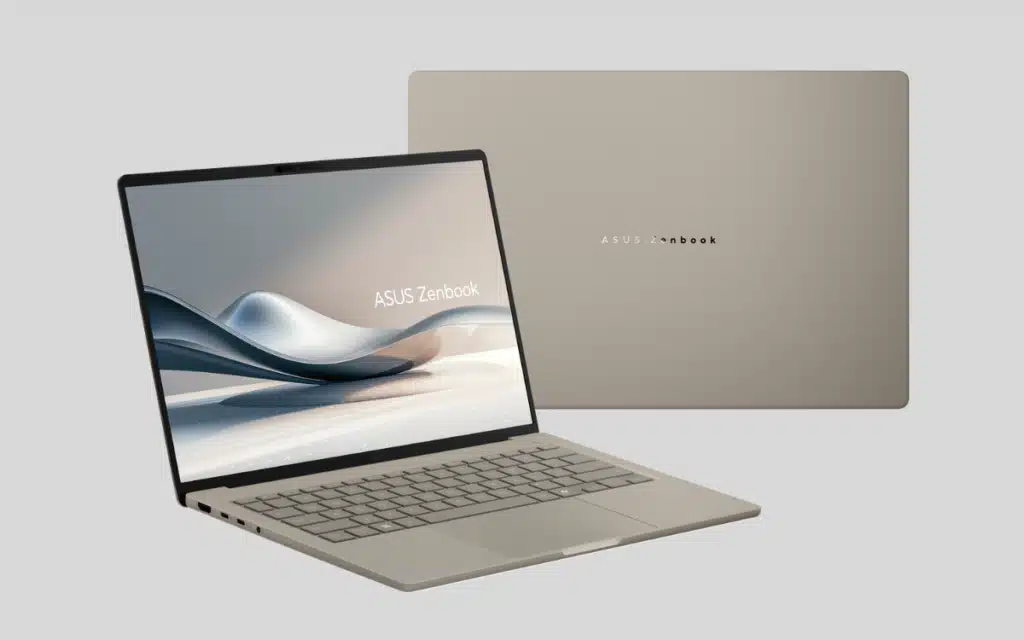
Asus is gearing up to introduce the Zenbook A14 and Vivobook 16 to the Indian market, with their official launch expected soon. While the company has not confirmed an exact release date, Amazon India has provided a sneak peek into what consumers can expect. The online retailer has teased the pre-order details and key specifications of both laptops, positioning them as powerful AI-driven devices. As part of Asus’s new Copilot+ PC lineup, the Zenbook A14 and Vivobook 16 will feature Snapdragon X series processors, promising top-tier performance and an impressive battery life of up to 32 hours on a single charge.

Amazon India Teases Pre-Order Details

Amazon India has set up a dedicated landing page to build anticipation for the upcoming Asus laptops. According to the listing, pre-orders for both models will begin on February 24 at 1 PM IST. However, pricing details and the exact availability date are still under wraps. With the increasing demand for AI-powered computing, these devices could be strong contenders in the premium laptop segment, offering users cutting-edge technology and seamless integration with Asus’s AI applications.

AI-Powered Performance with Snapdragon X Series

The Zenbook A14 and Vivobook 16 will be powered by Qualcomm’s Snapdragon X series processors, including the high-performance Snapdragon X Elite variant. These chips feature an integrated Neural Processing Unit (NPU) with up to 12 cores, capable of delivering up to 47 TOPS (trillion operations per second). This makes them well-suited for AI-driven workloads, enhancing productivity and efficiency. Additionally, the Copilot+ PC branding indicates that these laptops will come preloaded with Asus’s AI software suite, optimizing user experience through intelligent automation and enhancements.

Ultra-Thin Design and Portability

Asus has also focused on making these laptops lightweight and portable. The Zenbook A14, in particular, boasts an ultra-thin profile of just 13.4mm and weighs only 0.89kg, making it one of the most compact AI-powered laptops on the market. The sleek build, combined with long battery life and powerful AI capabilities, makes these devices ideal for professionals, students, and content creators seeking performance without compromising on portability. With their imminent launch, the Zenbook A14 and Vivobook 16 are set to bring a new wave of AI-driven computing to Indian consumers.