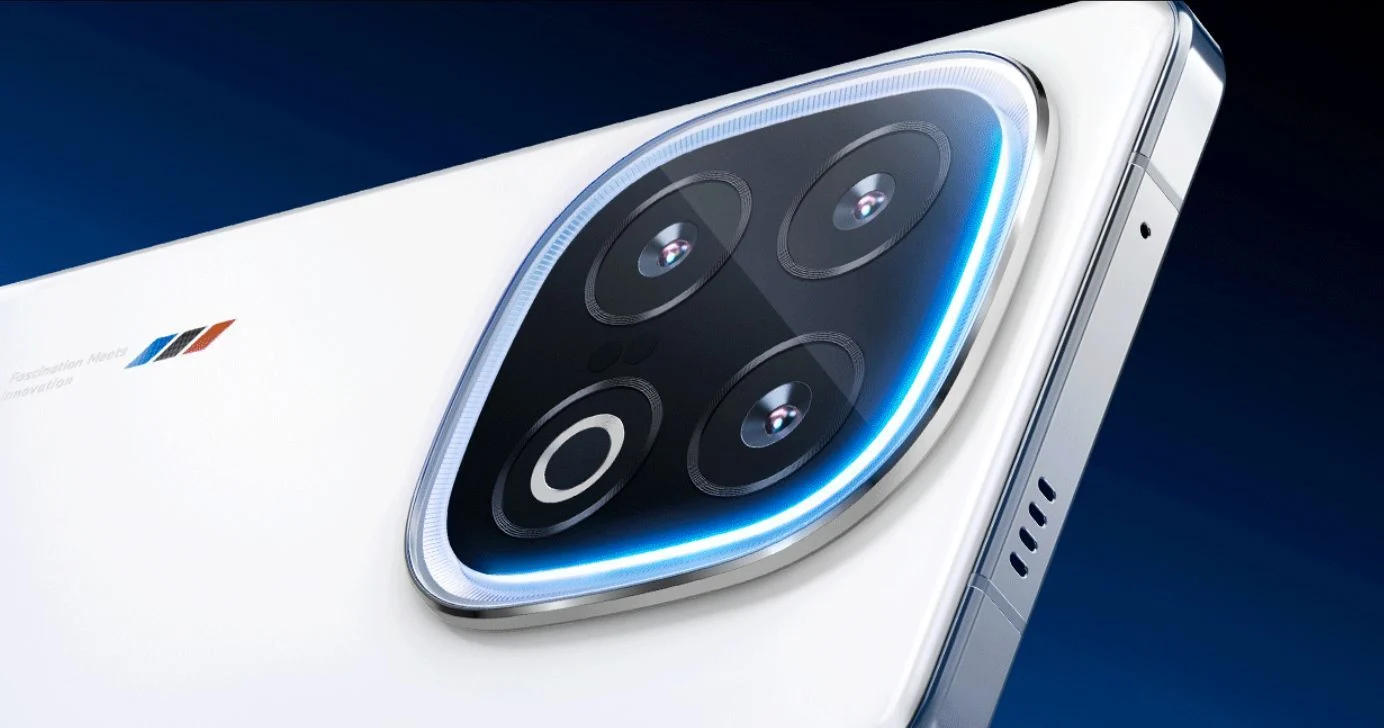
iQOO 15 Series and iQOO Neo 11 Series Expected to Offer 2K Display and 7,000mAh Battery

iQOO, the popular Vivo sub-brand, is gearing up for the launch of its next-generation smartphones, the iQOO 15 and iQOO Neo 11 series. While the official release timeline has yet to be confirmed, rumors suggest that these new devices will be launched by the end of 2025. Both series are expected to come with major upgrades compared to their predecessors, particularly in display and battery performance. The new iQOO models are rumored to feature 2K resolution displays, a significant leap over the FHD+ displays found on previous devices, offering users a sharper and more immersive viewing experience.

The iQOO 15 series is expected to include two models: the standard iQOO 15 and the iQOO 15 Pro. Both are likely to be equipped with high-quality 2K resolution displays, providing users with vibrant colors and stunning clarity. A standout feature could be the integration of an ultrasonic in-display fingerprint scanner, offering more security and a smoother user experience. Additionally, an anti-reflective (AR) coating on the screen is expected, which could help reduce glare and improve visibility in bright conditions, making the phones ideal for outdoor use.

In terms of battery, the iQOO 15 series is expected to pack an impressive 7,000mAh battery, a significant upgrade from the iQOO 13’s 6,000mAh battery in India. This larger battery capacity would be a game-changer for users who require longer battery life, ensuring the devices can last through a full day of heavy usage. The Chinese version of the iQOO 13 comes with a slightly larger 6,150mAh battery, but the iQOO 15 series will likely surpass this with its 7,000mAh offering, providing better power management for the latest high-performance specifications.

As for the iQOO Neo 11 series, it is expected to feature both a base model and a Pro variant, continuing the brand’s tradition of offering high-performance devices at a competitive price point. The Neo series is likely to share many features with the iQOO 15 series, including the 2K display and large battery, but with a focus on providing more accessible options for a wider range of consumers. The addition of a powerful battery and high-resolution screen across both series is expected to make the iQOO 15 and Neo 11 models strong contenders in the market, further solidifying iQOO’s position as a leader in performance smartphones.

Leaked Details Reveal Price, Colors, and Storage Options for Motorola Edge 60 Series, Moto G56, and Moto G86

Motorola’s upcoming smartphone lineup is generating significant buzz, as leaks have revealed crucial details about the Motorola Edge 60 series, along with the Moto G56 and Moto G86 models. These devices are expected to follow the success of their predecessors, such as the Motorola Edge 50 and the Moto G55, bringing new features and configurations. According to the latest leaks, the Edge 60 series will likely include three variants: the standard Edge 60, the Edge 60 Pro, and the Edge 60 Fusion. Along with the Edge 60 models, new Moto G series phones are also expected to debut, continuing the company’s strategy of offering a broad range of options for different segments.

The Motorola Edge 60 Fusion is expected to come in a generous 8GB RAM and 256GB storage configuration. According to sources, the phone could be priced at around EUR 350 (approximately Rs. 33,100) in select markets. The colour options for this variant are likely to include Blue and Grey, catering to a variety of consumer preferences. With these specifications, the Edge 60 Fusion seems poised to offer a premium experience while maintaining a more accessible price point.

The standard Motorola Edge 60 is also expected to come with an 8GB RAM and 256GB storage option. Leaks suggest this model will be available in stylish Green and Sea Blue shades, with a price tag of EUR 380 (approximately Rs. 36,000). These colour options reflect a sleek, modern design aimed at users who appreciate aesthetic appeal alongside powerful performance. The Edge 60 is anticipated to offer a solid balance of features for those looking for a high-end device without the premium price of flagship models.

On the higher end of the spectrum, the Motorola Edge 60 Pro is expected to pack more power, with a price of EUR 600 (around Rs. 56,800). This variant is tipped to come in Blue, Green, and Grape (Purple) colour options, offering users a more luxurious look and feel. The Pro version will likely target users looking for top-tier performance, including more advanced specifications and additional features compared to the standard Edge 60. This wide range of options, from the Fusion to the Pro, ensures that Motorola’s upcoming devices will appeal to a broad spectrum of consumers.

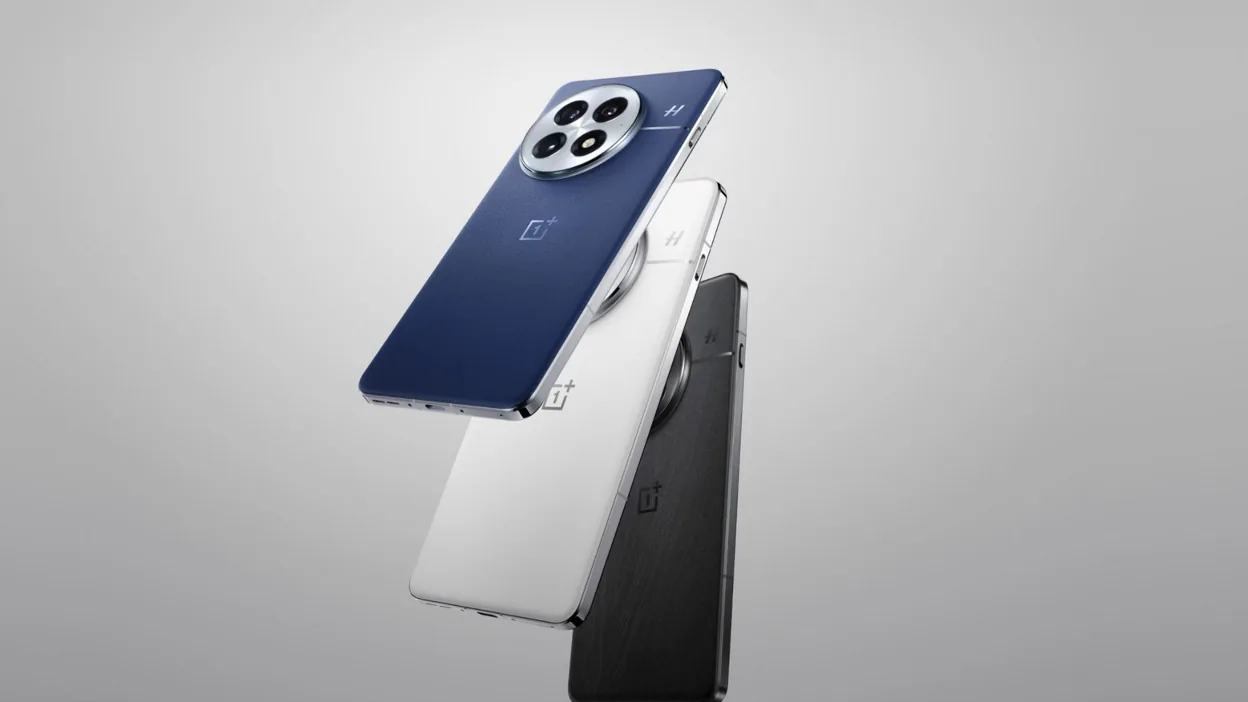
OnePlus Announces Plan to Replace Alert Slider with Customizable Smart Button

OnePlus has revealed plans to replace its iconic Alert Slider with a customizable smart button, a move that marks a significant shift in the design of its flagship smartphones. The Alert Slider, which has been a hallmark of OnePlus devices for years, allowed users to quickly adjust the sound profile of their phone without unlocking it. However, the company has recognized the hardware limitations of the slider and is seeking a more modern and versatile solution. The new button is expected to offer greater functionality, much like Apple’s Action Button, which allows users to customize various actions beyond a single function.

In a detailed community post, OnePlus CEO Pete Lau shared insights into the company’s decision to move away from the Alert Slider. Lau explained that while the slider has been a favorite feature, it only serves a singular purpose: switching between sound profiles. He admitted that the brand had been contemplating how to enhance the slider’s functionality for the past three years, but the physical limitations of the design made it impossible to implement any significant changes.

Lau further elaborated on the decision by pointing out that the Alert Slider occupies a substantial portion of the phone’s body, yet its utility is limited. Despite considering the idea of making the slider customizable, OnePlus found that it was constrained by the fixed physical positions required for its specific functions. As a result, the company is turning to a smarter, more flexible alternative — a button that can be personalized by the user to perform various actions, allowing for more customization and better use of available space.

This shift comes as part of OnePlus’s ongoing efforts to refine and innovate its hardware offerings, making its smartphones even more user-friendly and versatile. While many users will likely miss the simplicity and charm of the Alert Slider, the company’s decision to replace it with a customizable smart button demonstrates its commitment to providing cutting-edge technology that adapts to the evolving needs of its user base. The new button will allow for a more dynamic interaction with the device, signaling a new era for OnePlus smartphone design.