Infinix Introduces E-Color Shift 2.0 and SolarEnergy-Reserving Tech at MWC 2025

Infinix Introduces E-Color Shift 2.0 and SolarEnergy-Reserving Technology at MWC 2025

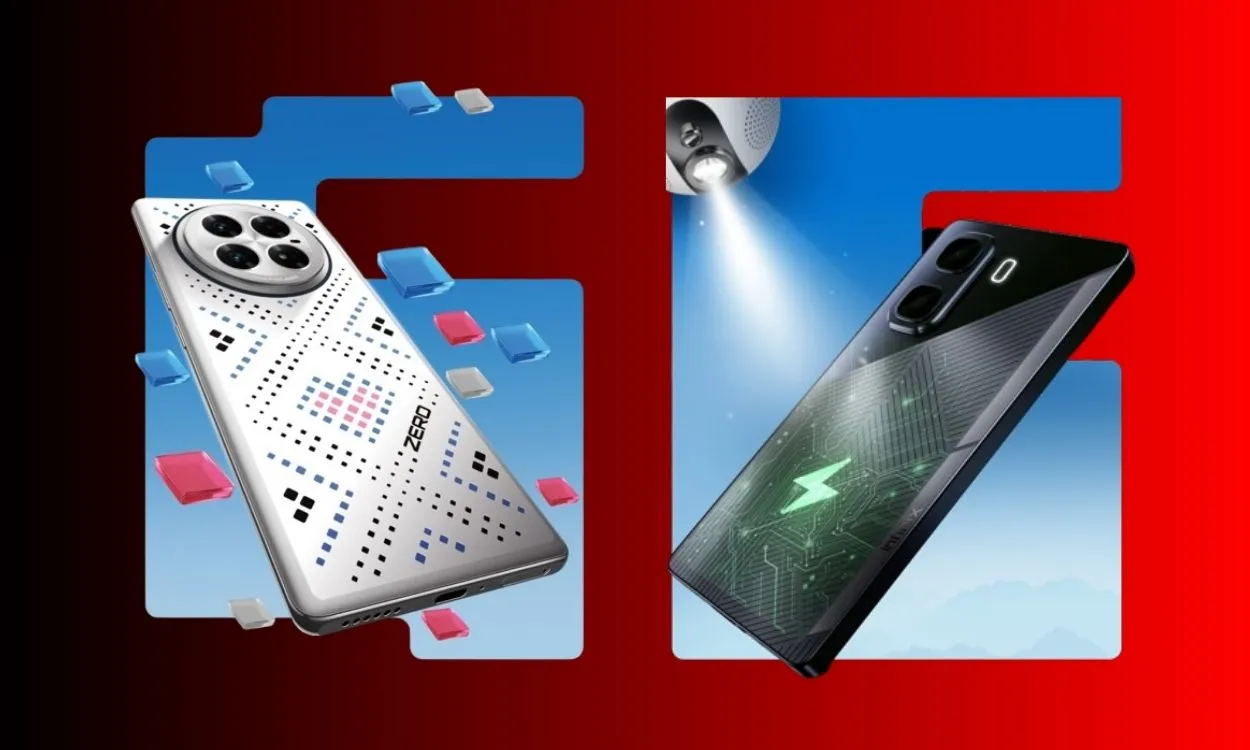
Infinix is set to launch its Note 50 series in Indonesia today, following the success of the Note 40 lineup, which debuted in March 2024. Meanwhile, at Mobile World Congress (MWC) 2025, the company has unveiled two significant innovations—E-Color Shift 2.0 and SolarEnergy-Reserving Technology. The latter is designed to utilize ambient light to extend battery life, making it a promising advancement in energy efficiency for smartphones. Infinix initially introduced the E-Color Shift technology at CES 2024, and the new version now comes with AI-driven customization features.

The E-Color Shift 2.0 technology allows a smartphone’s back panel to dynamically change colors without consuming significant power. This latest version integrates artificial intelligence to offer more personalized customization options. According to Infinix, users can select from six dynamic patterns and six color palettes, allowing for up to 30 unique combinations. The AI-powered system enables the color shifts to respond to various external factors, such as weather conditions, wallpaper choices, and environmental surroundings.

With E-Color Shift 2.0, Infinix has also improved the technology’s color depth and segmentation, ensuring a more vibrant and precise transition between hues. This enhancement not only adds an aesthetic edge to supported devices but also elevates user experience by allowing greater personalization. The AI-driven modules can adapt to user preferences, creating a visually engaging and interactive smartphone design that stands out in the competitive market.

Alongside its advancements in color-changing technology, Infinix’s SolarEnergy-Reserving Technology aims to address battery longevity by harnessing ambient light. This feature could provide a practical solution for users who need extended battery life without frequent charging. As Infinix continues to push the boundaries of smartphone innovation, the combination of AI-powered design and energy-efficient solutions positions the brand as a strong contender in the evolving mobile industry.
Xiaomi Launches SU7 Ultra: A Production-Ready EV with Premium Features and Pricing

Xiaomi Officially Launches High-Performance SU7 Ultra EV

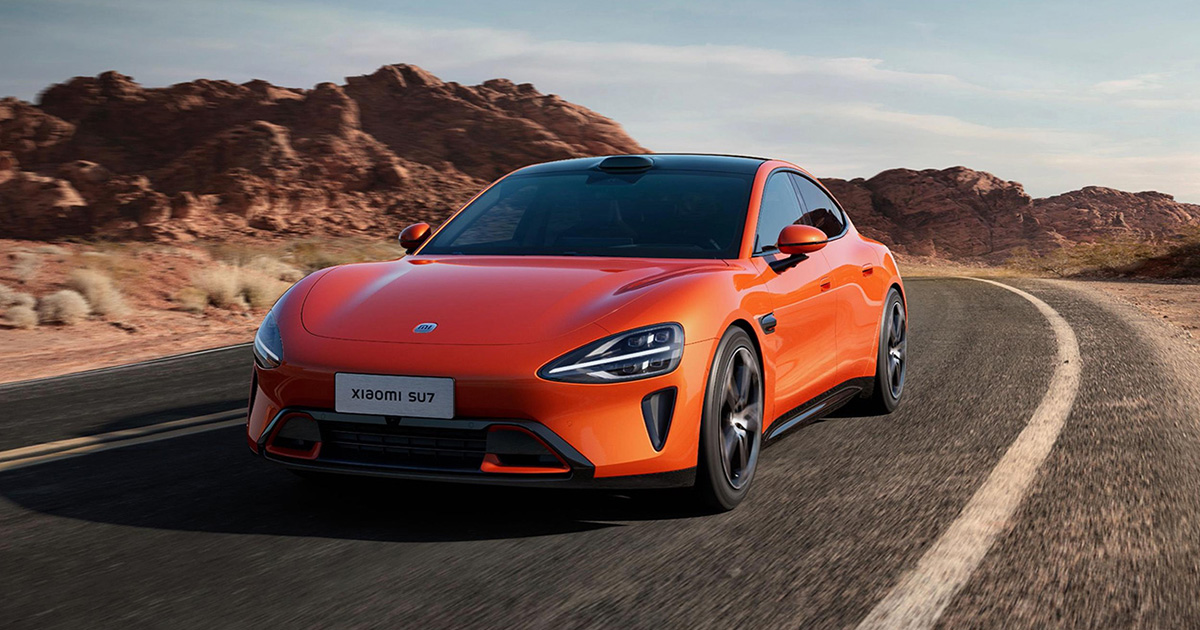
Xiaomi has officially begun selling the production-ready SU7 Ultra, the company announced at Mobile World Congress (MWC) 2025 in Barcelona on March 2. Originally introduced as a prototype in July, the SU7 Ultra is a high-performance variant of Xiaomi’s SU7 electric vehicle (EV), which has been available in China since last year. Equipped with triple electric motors, the vehicle boasts a blistering 0-100 kmph acceleration time of just 1.98 seconds, positioning it as one of the fastest EVs in its segment.

The Xiaomi SU7 Ultra is priced at CNY 5,29,900 (approximately Rs. 64 lakh) in China, making it a premium offering in the EV market. The company has introduced multiple optional configurations, including the “Racing Package” and the “Nürburgring Nordschleife Limited Edition,” which will be available after the model successfully completes a Nürburgring lap challenge. Xiaomi’s approach reflects its commitment to performance-oriented EV innovation, appealing to automotive enthusiasts seeking cutting-edge technology.

Buyers can choose from five exterior color options: Lightning Yellow, Space Silver, Verdant Green, Pearl White, and Obsidian Black. Xiaomi initially opened pre-orders for the SU7 Ultra in October last year, and now the EV is officially available for purchase in China. The model’s launch aligns with Xiaomi’s broader strategy to establish itself as a key player in the high-performance EV segment, competing with established brands in both the domestic and global markets.

With the SU7 Ultra, Xiaomi is not only expanding its footprint in the EV industry but also pushing the boundaries of what performance-oriented electric vehicles can achieve. As the company continues its foray into the automotive space, the success of the SU7 Ultra could pave the way for further innovations and global expansion in Xiaomi’s EV lineup.

Honor Introduces Alpha Plan: A Three-Step Roadmap to an AI-Driven Future

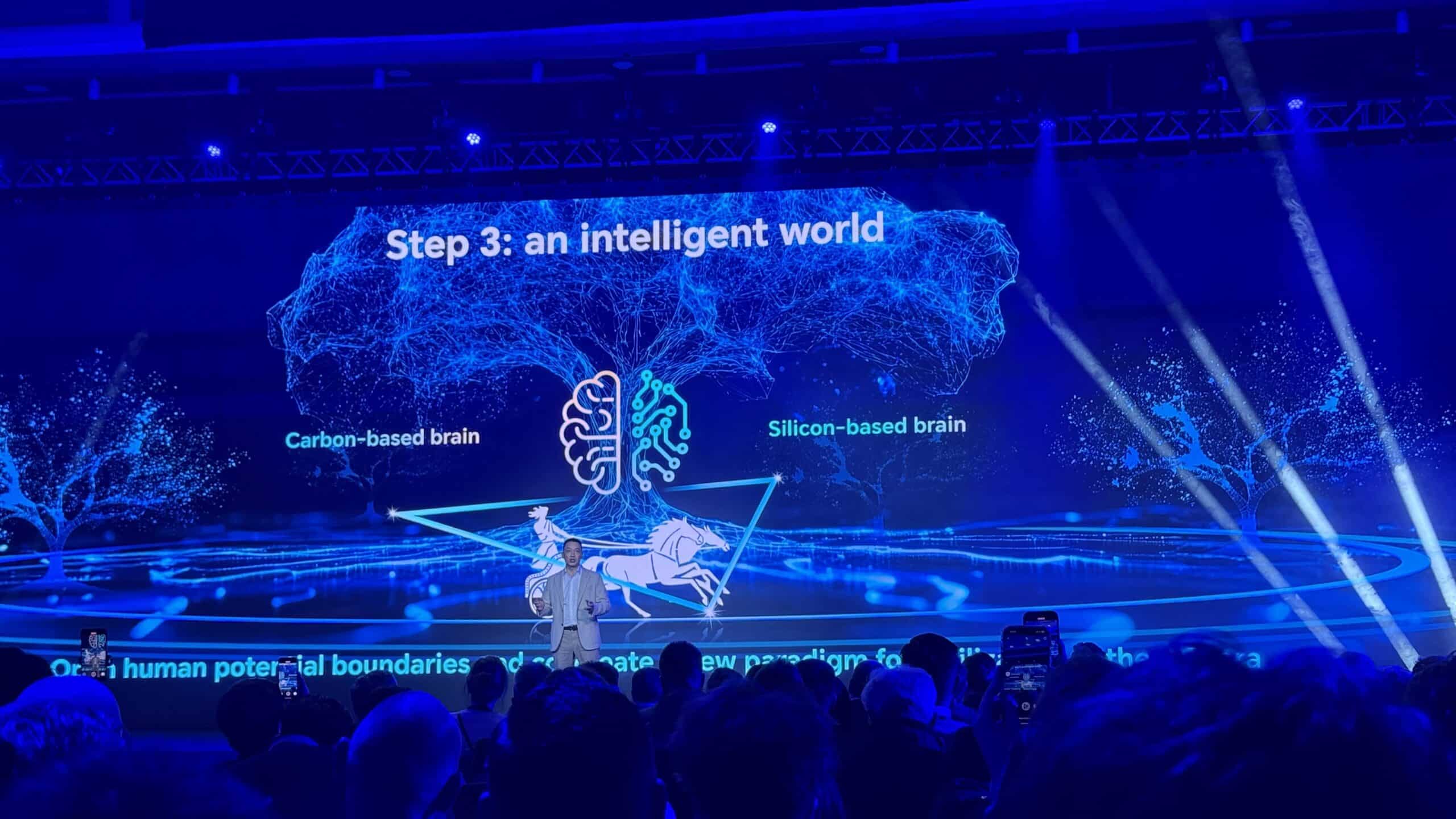
Honor officially introduced its highly anticipated Alpha Plan on Sunday, outlining a three-step vision aimed at fostering an open artificial intelligence (AI) ecosystem. Ahead of Mobile World Congress (MWC) 2025 in Barcelona, the Chinese tech brand unveiled a series of AI-driven innovations, including AI-powered imaging technology for mobile devices, AI agents, and a next-generation AI PC. Additionally, the company emphasized its long-term commitment to expanding AI applications beyond conventional devices, touching on advancements in physical AI (robotics) and artificial general intelligence (AGI).

As part of its AI strategy, Honor detailed the Alpha Plan in a newsroom post, positioning it as a roadmap to becoming a key player in the AI-powered device ecosystem. The company aims to collaborate with leading industry partners such as Qualcomm and Google Cloud to drive innovation in AI hardware and software. To strengthen its ecosystem approach, Honor also engaged telecom giants including CKH Group, Orange, Telefónica, and Vodafone, signaling its intent to integrate AI across multiple technology domains.

James Li, CEO of Honor, underscored the transformative potential of AI in reshaping industries and society. “It is clear that the AI revolution will reshape the paradigm of the device industry—completely transforming our productivity, our society, and even our culture more than ever before,” Li stated. He also stressed the importance of industry-wide collaboration, urging companies to embrace openness in AI development to unlock its full potential.

Honor’s Alpha Plan represents a strategic shift toward AI-centric product innovation, positioning the brand at the forefront of the evolving tech landscape. With AI integration across devices and a strong push toward AGI, Honor seeks to redefine how users interact with technology in their daily lives. As the AI industry advances, the success of this initiative will likely depend on Honor’s ability to foster a seamless and interconnected AI ecosystem with its partners.