
Infinix Note 50X 5G Price and Specifications Revealed Before Official Launch

The Infinix Note 50X 5G is all set to launch in India on March 27, and ahead of its official debut, several key details about the device have been confirmed. As a successor to the Infinix Note 40X 5G, the upcoming model is aimed at providing an affordable 5G experience within the budget smartphone segment. Infinix has revealed the device’s pricing will be under Rs. 12,000, positioning it as a competitive option in its category. Along with the pricing, Infinix has also disclosed important specifications, such as the chipset, battery capacity, and the addition of artificial intelligence (AI) features.

One of the standout features of the Infinix Note 50X 5G is its chipset. The device will be powered by the MediaTek Dimensity 7300 Ultimate, making it the first smartphone in the world to feature this processor. This chipset promises enhanced gaming performance, capable of supporting 90 frames per second (fps) for a smoother and more responsive gaming experience. In addition to its gaming prowess, the MediaTek Dimensity 7300 Ultimate is expected to enable smooth multitasking and ensure a lag-free user experience, making it a solid option for budget-conscious consumers who seek performance and efficiency.

The Infinix Note 50X 5G will also be equipped with a robust 5,500mAh “SolidCore” battery that supports 45W wired fast charging, which should significantly reduce charging time and keep the device powered for extended periods. To add to its durability, the smartphone is certified with military-grade MIL-STD 810H standards, ensuring it can withstand harsh conditions and minor impacts. These features aim to make the device an appealing option for users seeking a reliable and long-lasting smartphone without compromising on performance.

Another major highlight of the Infinix Note 50X 5G is its AI-powered features. The smartphone will run on XOS 15, which includes Folax Voice, an AI-driven voice assistant capable of performing various system tasks, analyzing web content, and providing voice interactions. Infinix has also introduced an AI Note feature that allows users to convert rough sketches into digital artwork, similar to Samsung’s Sketch-to-Image functionality. Additionally, the device will support AIGC Portrait, a feature that generates AI avatars in real-time based on captured images, adding a fun and creative touch to the user experience. These AI advancements aim to enhance the smartphone’s overall usability and appeal.

Mount Spurr Volcano in Alaska Displays Increased Activity, Raising Eruption Concerns

Mount Spurr, an active stratovolcano located 130 kilometers west of Anchorage, Alaska, has been showing signs of increased volcanic activity. The Alaska Volcano Observatory (AVO) has reported a series of unusual seismic events, including an uptick in earthquake frequency, the melting of snow and ice on its slopes, and heightened emissions of carbon dioxide and sulfur dioxide. These changes point to potential magma movement beneath the surface, a signal that an eruption could be on the horizon. The AVO now suggests that the current signs of unrest indicate a higher likelihood of eruption, which marks a shift from previous assessments that considered both dormant and eruptive phases as possibilities.

Scientific monitoring of the volcano has intensified in response to these developments. According to Matt Haney, Scientist-in-Charge at the U.S. Geological Survey (USGS), there is increasing concern that the unrest at Mount Spurr could lead to an explosive eruption. Notably, the volcano has experienced eruptions at its Crater Peak vent in 1953 and 1992, both of which resulted in ash plumes that reached significant altitudes. The last eruption at the summit itself is believed to have occurred over 5,000 years ago, suggesting that magma may not be able to breach the solidified rock in that area. However, recent observations indicate that the activity is escalating.

Historical eruptions at Mount Spurr, particularly the ones in 1953 and 1992, have left significant impacts on nearby regions, including Anchorage. The 1992 eruption sent ash plumes more than 15,000 meters into the atmosphere, with the city receiving an ashfall of 3.1 millimeters. Similarly, the 1953 eruption led to an ash deposit of 6.4 millimeters in Anchorage. These past events have prompted heightened vigilance, as scientists closely monitor current signs of volcanic unrest, particularly the increased emissions and seismic activity.

If magma continues to move toward the surface, scientists predict that volcanic tremor will likely become the next major sign of an impending eruption. Unlike the short seismic bursts observed in recent months, volcanic tremor is characterized by continuous shaking, which can last from minutes to days. Historical eruptions in Alaska, such as the 1992 Mount Spurr eruption and the 2009 eruption of Mount Redoubt, were preceded by long periods of tremor. As monitoring continues, any onset of tremor would be a key indicator that Mount Spurr’s activity is intensifying and could soon lead to an eruption.

NASA and SpaceX Crew-9 Return to Earth on Crew Dragon Freedom After 171 Days in Space

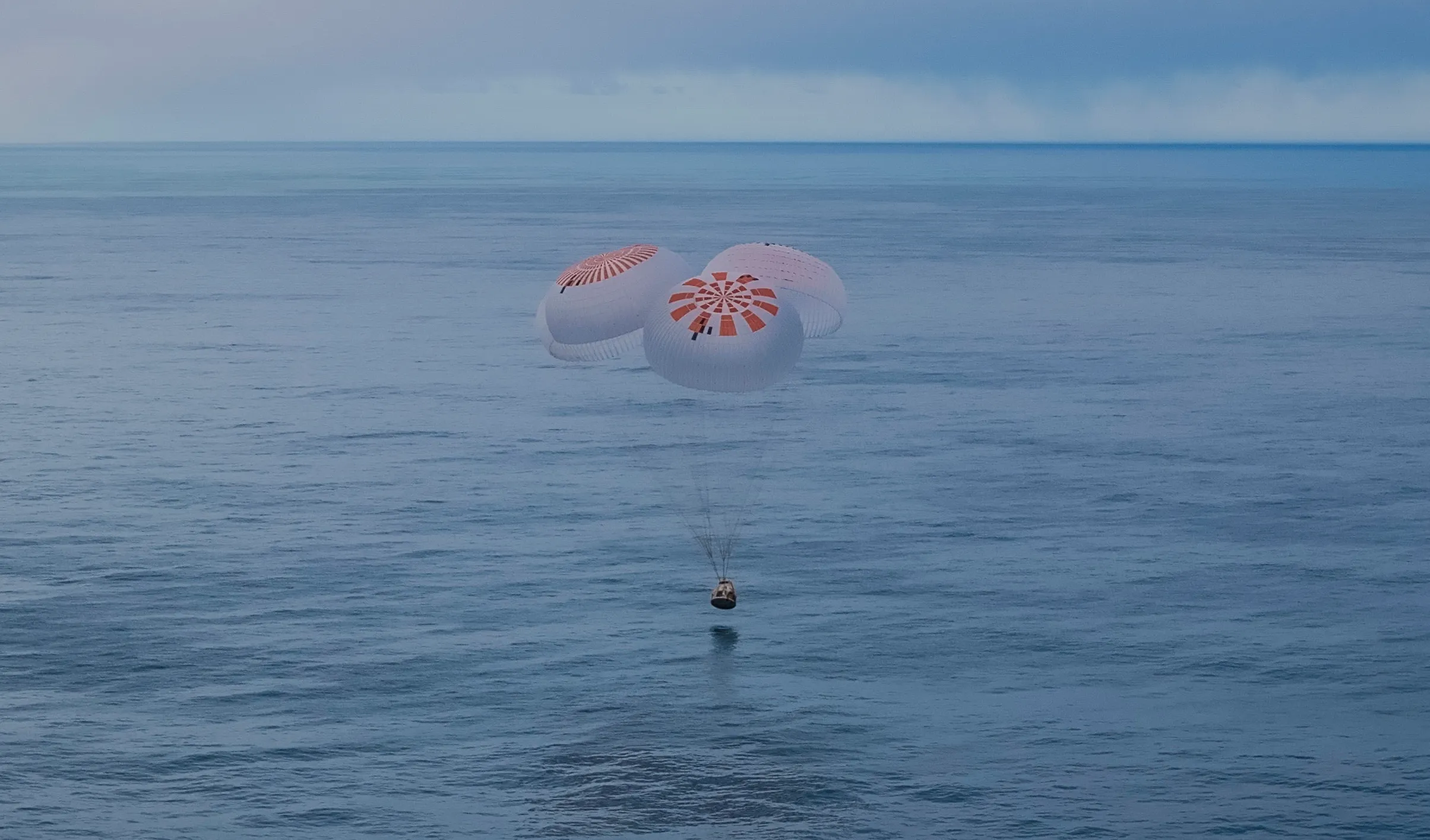
NASA and SpaceX have successfully brought Crew-9 astronauts back to Earth aboard the Crew Dragon Freedom spacecraft after 171 days in space. The mission’s splashdown occurred on March 18 at around 5:57 p.m. EDT in the Gulf of Mexico, off the coast of Florida. Initially planned for March 19, the return was rescheduled due to weather concerns. The event was broadcast live, with coverage beginning at 4:45 p.m. EDT, capturing the final moments of the mission. The crew’s return marked the end of a long-duration stay aboard the International Space Station (ISS), and the astronauts were greeted with enthusiasm as they made their way home.

The Crew-9 mission, which launched on September 28, 2024, included NASA astronauts Nick Hague and Aleksandr Gorbunov. They were joined on their return journey by Sunita Williams and Barry Wilmore, who had originally arrived at the ISS aboard Boeing’s Starliner spacecraft on June 5, 2024. Due to technical issues encountered during the Starliner’s mission, NASA and SpaceX decided to bring the astronauts back aboard the Crew Dragon Freedom instead, a decision that ensured their safe return to Earth. The Crew Dragon undocked from the ISS’s Harmony module at 1:05 a.m. EDT, beginning their journey back to Earth.

The Crew Dragon’s re-entry process included a deorbit burn scheduled for 5:11 p.m. EDT, which was the final step before the spacecraft descended toward the Earth’s surface. By the time of splashdown, Crew Dragon Freedom will have completed 171 days in space, with Hague and Gorbunov covering approximately 72.5 million statute miles and completing 2,736 orbits around Earth. Williams and Wilmore, who had been in space for a longer duration, will have spent a total of 286 days in orbit, covering over 121 million statute miles during their time aboard the ISS.

The designated landing site for the Crew Dragon Freedom was the Gulf of Mexico, a location chosen for its proximity and safety for splashdowns. Future crew landings under NASA’s commercial crew program are expected to occur in the Pacific Ocean, a change from the Gulf landing site. This successful return marks another significant milestone for NASA’s collaboration with SpaceX, further solidifying the reliability of the Crew Dragon spacecraft in transporting astronauts to and from the ISS.