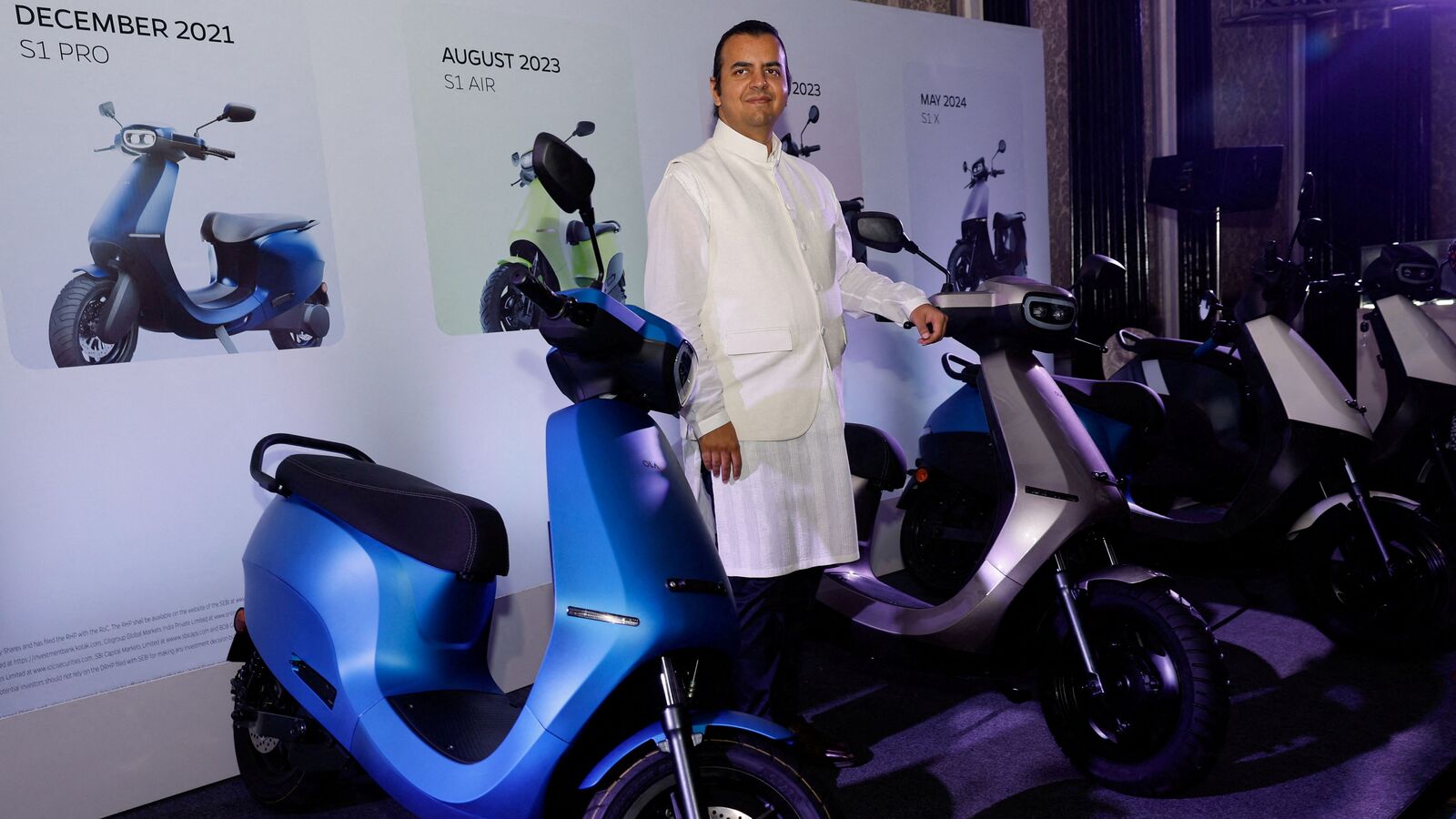
Ola Electric Expands with 3,200 New Stores Despite Consumer Complaint Challenges

Ola Electric Opens 3,200 Stores in a Day, Targets Small Towns Amid Service Challenges

Ola Electric Mobility, India’s largest e-scooter manufacturer, has announced the opening of 3,200 new stores in a single day as part of its aggressive expansion strategy. The move aims to strengthen the company’s presence across India while addressing widespread customer dissatisfaction over service-related shortcomings. This expansion brings the total number of Ola Electric showrooms and service centers to 4,000 nationwide.

At an event on Wednesday, Ankush Aggarwal, Ola Electric’s Group Head of Financial Services and Retail Auto Business, highlighted the company’s commitment to improving customer experience. He emphasized the importance of after-sales service in building trust among consumers, particularly in smaller towns where accessibility has been a challenge. The announcement appeared to resonate with investors, as Ola Electric’s shares surged by 6.4 percent on Thursday, outperforming the S&P BSE Sensex.

Under the leadership of co-founder Bhavish Aggarwal, Ola Electric is pursuing an ambitious plan to make electric vehicle (EV) ownership more accessible across India. The company’s direct-to-consumer (D2C) model has been pivotal in this approach, enabling it to streamline operations and reduce costs. “Our goal is to bring EV ownership to every household,” Ola stated in a recent exchange filing, underscoring its mission to drive the mass adoption of sustainable transportation.

Despite its rapid growth, Ola Electric has faced criticism over service quality and customer support. By increasing its footprint and investing in service infrastructure, the company hopes to restore consumer confidence and solidify its market dominance. The launch of thousands of new stores in a single day underscores Ola’s determination to address challenges while capitalizing on the growing demand for electric vehicles in India.
Redmi Turbo 4 Pro May Feature 7,500mAh Battery; Poco F7 Specs Revealed

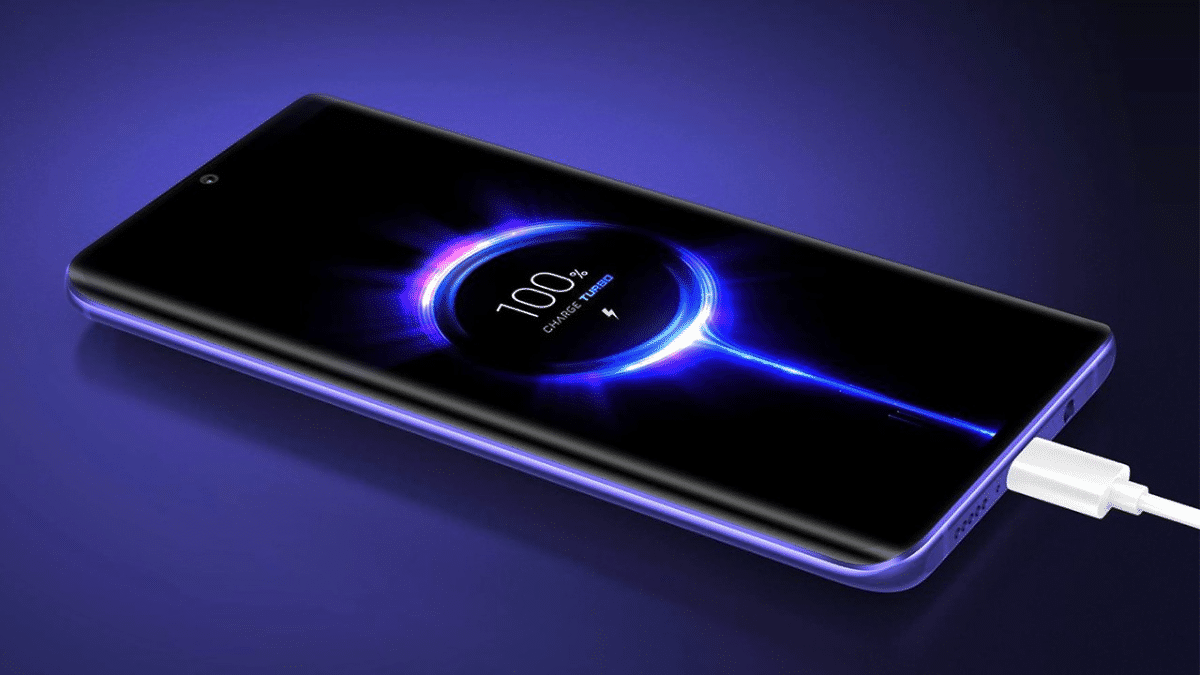
Redmi Turbo 4 Pro Rumored to Feature Massive 7,500mAh Battery and 90W Fast Charging

Redmi has announced that its Turbo 4 smartphone will debut in early 2025, powered by the newly unveiled MediaTek Dimensity 8400 chipset. Following this announcement, rumors have surfaced about a Pro variant of the device, tentatively named Redmi Turbo 4 Pro. According to leaks, this handset is expected to pack advanced features, including notable upgrades in battery capacity, charging, and display technology. The device is also speculated to launch globally under the Poco branding as the Poco F7.

A prominent leak from tipster Digital Chat Station on Weibo suggests that the Redmi Turbo 4 Pro could house a massive 7,500mAh battery, coupled with support for 90W wired fast charging. This impressive battery capacity indicates a strong focus on longevity, making it an ideal choice for heavy users. The leak also hints at the phone featuring a flat display, designed to balance thickness and weight for optimal ergonomics and usability.

In addition to its power and design features, the Redmi Turbo 4 Pro is described as a “performance-focused phone,” according to further comments by the tipster. While the main camera is expected to deliver solid performance, the device reportedly won’t include a telephoto lens, suggesting that the focus will remain on core performance and battery life rather than advanced photography features.

The Redmi Turbo 4 Pro is tipped to launch during the first half of 2025, targeting users seeking powerful hardware and long-lasting battery life. If the rumors hold true, this device could set a benchmark in the mid-range segment, particularly for consumers prioritizing performance and reliability in their smartphones.

Apple Backs Google’s Billion-Dollar Search Payments in Court Battle

Apple Seeks Role in Google’s Antitrust Case to Defend Revenue-Sharing Deals

Apple has requested to participate in Google’s upcoming U.S. antitrust trial concerning online search dominance. The tech giant aims to protect the lucrative revenue-sharing agreements that provide it with billions of dollars annually for making Google the default search engine on its Safari browser. Apple argued that it cannot depend on Google to adequately defend these arrangements, which are crucial to its business.

In court documents filed in Washington on Monday, Apple clarified that it has no plans to develop its own search engine, even if its agreements with Google were to end. In 2022 alone, Apple reportedly earned an estimated $20 billion (roughly Rs. 1,70,544 crore) from its partnership with Google, highlighting the financial significance of the deal.

Apple has expressed its intent to call witnesses to testify during the trial scheduled for April. These witnesses are expected to provide insight into the nature of the agreements and their role in the digital ecosystem. Apple’s involvement reflects its vested interest in maintaining the status quo and shielding its partnership with Google from antitrust repercussions.

Meanwhile, prosecutors plan to argue that Google’s dominance in online search stifles competition and requires drastic measures. Their proposed remedies include compelling Google to divest key assets, such as its Chrome web browser and potentially its Android operating system, to foster a more competitive landscape. The case could have far-reaching implications for the tech industry and its reliance on revenue-sharing arrangements.