
US Court Rules WhatsApp Victorious in Lawsuit Against NSO Group Over Pegasus Spyware Hack

WhatsApp has secured a significant legal victory against the NSO Group, the Israeli company responsible for developing the notorious Pegasus spyware. On Friday, a US District Court judge ruled in favor of WhatsApp, finding that NSO Group was responsible for hacking the devices of 1,400 individuals by using WhatsApp’s servers to infect them with the spyware. This ruling also determined that NSO Group violated both federal US hacking laws and California state laws, along with breaching WhatsApp’s terms of service in the process.

The decision was handed down by US District Court Judge Phyllis Hamilton, who granted WhatsApp’s motion for summary judgment. In her ruling, Judge Hamilton stated that NSO Group had infringed upon the federal Computer Fraud and Abuse Act (CFAA), as well as California’s Comprehensive Computer Data Access and Fraud Act (CDAFA). The ruling marks a significant step in the ongoing legal battle between WhatsApp, owned by Meta, and NSO Group, which has faced scrutiny over its involvement in surveillance activities.

In addition to the favorable judgment for WhatsApp, a separate trial will be held in March 2025 to determine the damages that NSO Group owes WhatsApp as a result of its actions. Judge Hamilton also instructed both parties to inform the court by January 17, 2025, if there are any motions related to expert testimony that need to be resolved before the trial on damages begins. This marks a crucial phase in the case, with WhatsApp seeking compensation for the harm caused by the spyware attack.

The ruling is being seen as a crucial step in holding the NSO Group accountable for its role in enabling the widespread use of surveillance technology, and it could set a significant precedent for future cases involving spyware and data breaches. WhatsApp’s victory is part of a broader push to protect privacy and data security in the digital age, sending a strong message to companies that engage in unauthorized surveillance and hacking activities.

Google Proposes Easing Search Agreements with Apple and Other Companies in US Antitrust Settlement

In response to a recent US ruling that declared Google’s dominance in online search as unlawful, Alphabet’s Google has proposed easing its agreements with Apple and other companies that make Google the default search engine on new devices. This move is part of the company’s attempt to address the antitrust concerns raised by the court. However, Google’s proposal is seen as more limited compared to the government’s recommendation to compel Google to sell its Chrome browser, a suggestion that Google has firmly rejected, calling it an extreme step that could disrupt the search market.

Google’s legal team urged US District Judge Amit Mehta, who issued the initial ruling, to carefully consider any measures that might be imposed on the company. Google emphasized that the current legal environment—marked by rapid advancements in artificial intelligence—necessitates a balanced approach that does not hinder innovation. In court filings, Google argued that antitrust remedies should not stifle progress, especially at a time when AI is revolutionizing how users interact with online services, including search engines.

Although Google plans to appeal the decision once the case concludes, it has expressed its belief that any remedies should focus primarily on its distribution agreements with mobile device manufacturers, wireless carriers, and browser developers. These agreements, according to the judge’s findings, have given Google a significant, often invisible advantage over its competitors, with many devices in the US coming pre-installed with Google’s search engine. The company is now proposing to loosen these agreements in order to address concerns of anti-competitive behavior.

The case against Google, which centers around its control of the online search and related advertising markets, has raised important questions about the balance between promoting competition and fostering technological innovation. As the legal process moves forward, Google’s proposed changes to its distribution deals may play a critical role in shaping the future of both the company and the broader digital ecosystem.

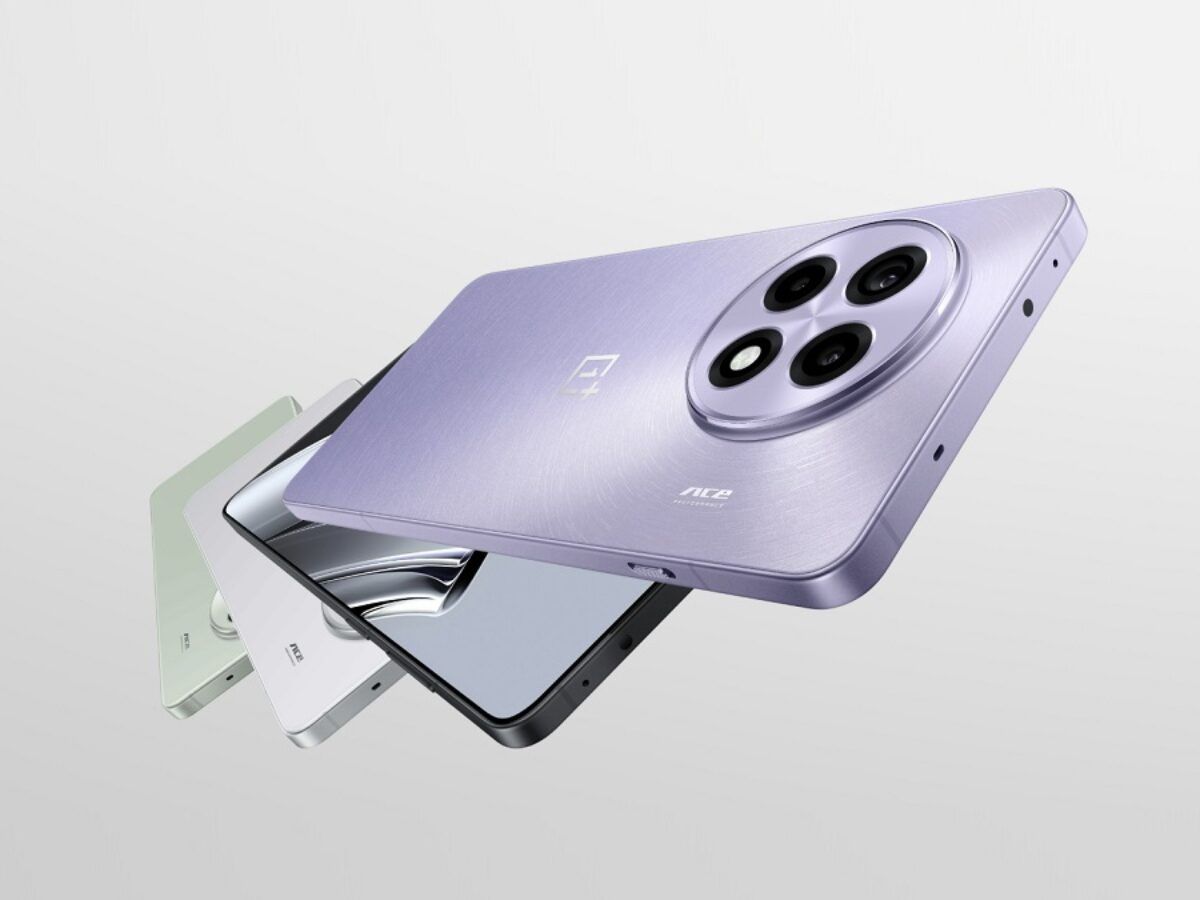
OnePlus Ace 5 and Ace 5 Pro Key Features Leaked on TENAA Ahead of Official Launch

The upcoming OnePlus Ace 5 series is gearing up for a launch in China, featuring two models: the standard OnePlus Ace 5 and the higher-end Ace 5 Pro. Ahead of the official reveal, key details about the design, color options, and specifications of the smartphones have surfaced. The base OnePlus Ace 5, which is expected to be marketed globally as the OnePlus 13R, will be powered by the Snapdragon 8 Gen 3 SoC. On the other hand, the Pro variant will be equipped with the more powerful Snapdragon 8 Elite chipset. Other important features have also been spotted on the TENAA certification site, offering a clearer picture of what to expect.

The TENAA listings for both the OnePlus Ace 5 (model number PKG110) and OnePlus Ace 5 Pro (model number PKR110) confirm several key specifications. Both smartphones will sport a large 6.78-inch flat AMOLED display with a 1.5K resolution of 2,780 x 1,264 pixels and a smooth 120Hz refresh rate. Additionally, they will feature in-display fingerprint sensors for security. The devices are also expected to run on Android 15 with the ColorOS 15 skin on top, offering users an updated software experience.

In terms of camera setup, both models will come with a 50-megapixel primary sensor, accompanied by additional 8-megapixel and 2-megapixel sensors on the rear. While the pixel counts for the cameras appear similar on both models, there could be differences in the main camera sensors used in the Ace 5 and Ace 5 Pro. For selfies and video calls, both phones will be equipped with a 16-megapixel front-facing camera, ensuring high-quality photos for users.

As OnePlus continues to refine its Ace series, the Ace 5 and Ace 5 Pro are expected to offer a mix of cutting-edge features and premium design. With the smartphones likely to launch soon, more details are expected to emerge, especially regarding pricing and availability in global markets. This new lineup could further solidify OnePlus’s position in the competitive smartphone market by catering to both mid-range and flagship segments.