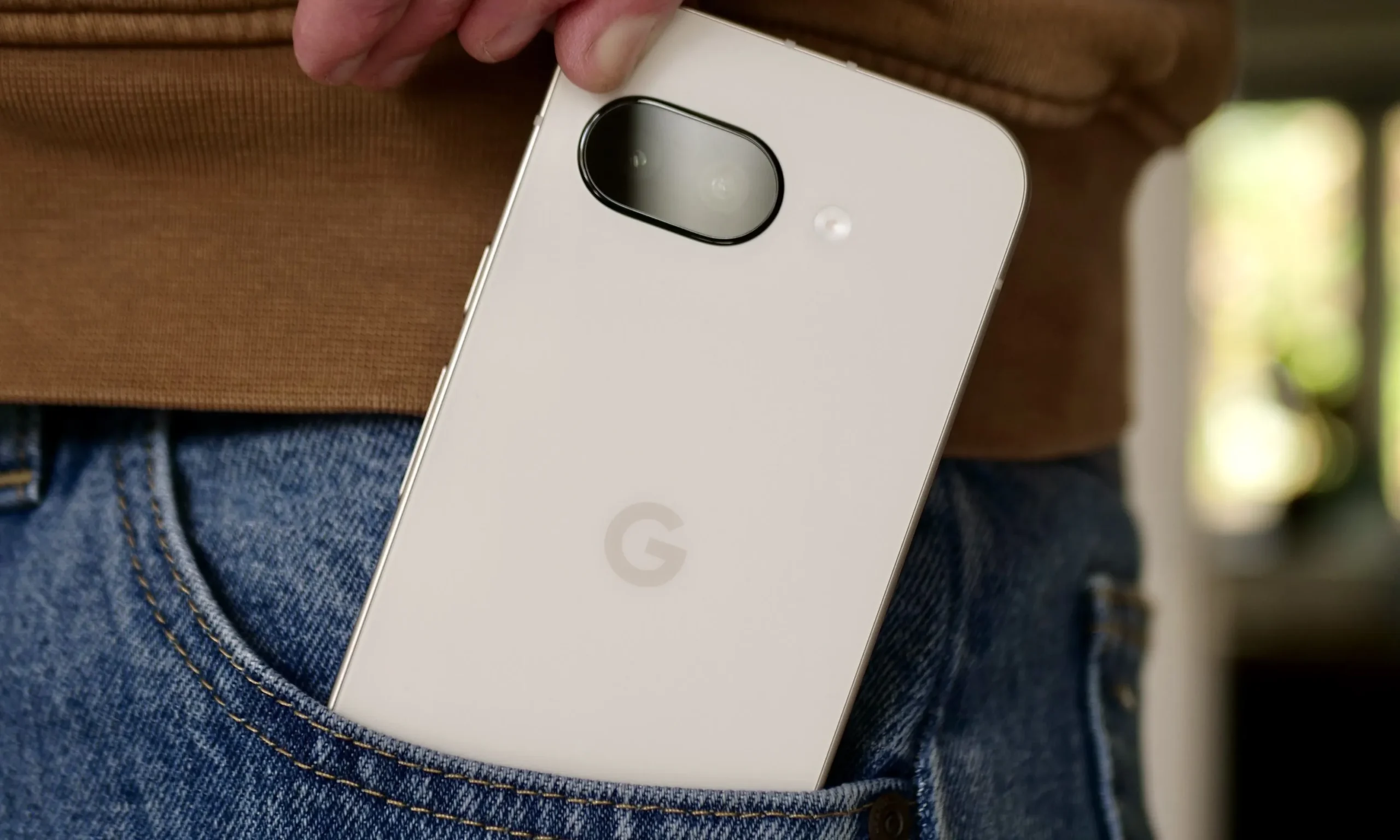
Google Pixel 10a Renders Leak Online, Hint at Familiar Design and Key Specs

Google Pixel 10a design renders have reportedly surfaced online, giving enthusiasts an early look at Google’s next mid-range smartphone. Expected to debut sometime next year, the Pixel 10a will succeed the Pixel 9a, which launched earlier this year as part of Google’s affordable A-series lineup. Early leaks suggest the upcoming model will retain much of the same design language, indicating Google’s focus on consistency and functionality rather than drastic visual changes.

Google Pixel 10a Design Revealed

According to a report by Android Headlines, created in collaboration with well-known leaker OnLeaks, the Pixel 10a will feature a flat back panel with a smooth matte finish and a horizontally aligned camera bar — a signature design element that has defined the Pixel series for the past few years. The renders show dual rear cameras positioned within the bar, accompanied by an LED flash. From the front, the phone sports slim bezels and a centred punch-hole selfie camera.
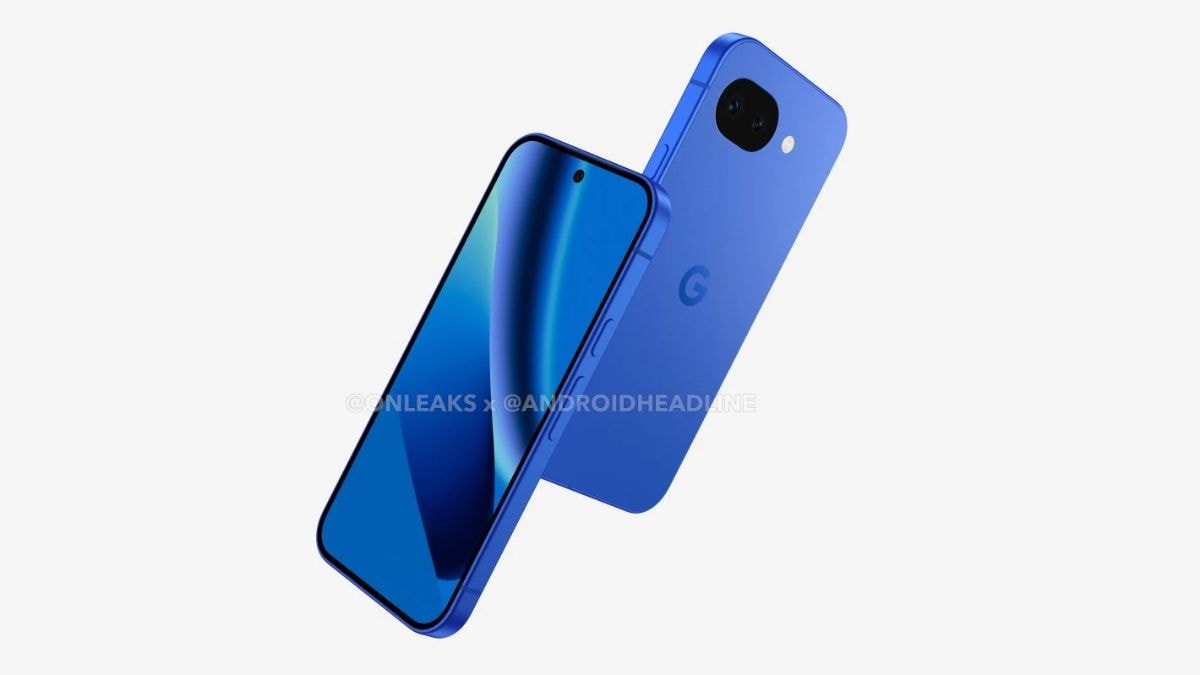
google pixel 10a renders android headlines Google

Dimensions and Build

The Pixel 10a is expected to have roughly the same dimensions as its predecessor, the Pixel 9a, suggesting Google won’t make significant changes to its form factor. Reports claim it will feature a polycarbonate (plastic) rear shell, offering both durability and cost-efficiency. Despite being an affordable model, the device will likely continue to deliver the solid build quality the Pixel A-series is known for.

Expected Specifications

While Google has yet to officially confirm details, early reports suggest that the Pixel 10a could be powered by the company’s Tensor G4 chipset — the same processor found in the flagship Pixel 10 lineup. It may also come with a 6.1-inch OLED display with a 120Hz refresh rate and run Android 15 out of the box. With Google’s continued emphasis on AI-driven features and camera performance, users can expect improvements in computational photography and battery optimisation.

OpenAI Forms For-Profit Arm, Updates Microsoft Partnership With New AGI Agreement

OpenAI Finalises For-Profit Transition and Strengthens Microsoft Partnership With AGI-Proof Agreement

OpenAI has taken a major step in its long-running restructuring process by completing the formation of its new for-profit entity — OpenAI Group Public Benefit Corporation (PBC). The entity will operate under the control of the non-profit OpenAI Foundation, marking a significant evolution in the company’s governance and capital structure. The move aims to streamline OpenAI’s ability to raise funds while maintaining its public-benefit mission amid growing demands for advanced artificial intelligence (AI) development.

OpenAI Group PBC Officially Established

In a detailed announcement, OpenAI confirmed that its recapitalisation process has concluded, allowing for a clearer separation between its non-profit oversight and for-profit operations. The OpenAI Foundation now directly holds equity in the newly established PBC, giving it access to a portion of the company’s capital while ensuring that the foundation maintains strategic control. This structure enables OpenAI to pursue high-impact projects without being bound by traditional non-profit fundraising limitations.

New Agreement With Microsoft Includes AGI Clause

Alongside this structural shift, OpenAI has signed a new agreement with Microsoft, its largest investor and cloud partner. The deal explicitly outlines conditions for their collaboration in the event OpenAI achieves artificial general intelligence (AGI) — a milestone that could fundamentally change the AI landscape. The revised terms aim to ensure continued cooperation between the two companies while clarifying ownership, control, and ethical responsibilities tied to AGI development.

Foundation to Invest in Health and Cybersecurity

With its new structure in place, the OpenAI Foundation will manage approximately $25 billion (around Rs. 2.2 lakh crore) in two primary focus areas — health and cybersecurity. The organisation intends to leverage AI to revolutionise diagnostics and treatment capabilities, while also developing stronger security frameworks to protect global AI infrastructure. This dual focus underscores OpenAI’s intent to balance innovation with societal benefit as it moves closer to achieving AGI.

Nothing Phone 3a Lite Set to Debut Today: Check Expected India Price, Key Specs, and Features

The Nothing Phone 3a Lite is all set to make its debut today, expanding the company’s smartphone lineup as the most affordable model in the Phone 3 series. Positioned below the Nothing Phone 3a, this new variant aims to bring the brand’s signature design philosophy and performance to a wider audience. While Nothing has kept most of its specifications under wraps, early teasers suggest a simplified design approach, featuring a single LED light on the rear panel instead of the trademark Glyph Interface that defines the rest of the lineup.

The upcoming launch has generated buzz among tech enthusiasts, as Nothing continues to refine its minimalist aesthetic while focusing on accessibility. The single LED light is expected to retain limited notification and charging indicator functionalities, offering a pared-down version of the interactive lighting system. It also hints at a more budget-friendly direction for the brand, which could help it compete in India’s highly competitive mid-range segment.

As for the specifications, leaks suggest that the Nothing Phone 3a Lite might share core hardware elements with the standard Phone 3a — possibly including a mid-tier Qualcomm Snapdragon chipset, a flat OLED display, and Android-based Nothing OS with signature clean UI visuals. The phone is also expected to sport a single rear camera setup and a lightweight aluminum frame, prioritizing balance between design and performance.

The Nothing Phone 3a Lite is scheduled to launch today, October 29, at 1 PM GMT (6:30 PM IST). It remains to be seen whether Nothing will host a full-fledged event or opt for a soft online reveal. Pricing details have not yet been officially disclosed, but given its positioning, the handset could debut below ₹30,000 in India. The device’s affordability and stripped-down design might mark Nothing’s strategic move to attract first-time buyers to its ecosystem.