
iQOO Z11 Global Version Appears on Geekbench With Snapdragon Processor, Differing From China Model
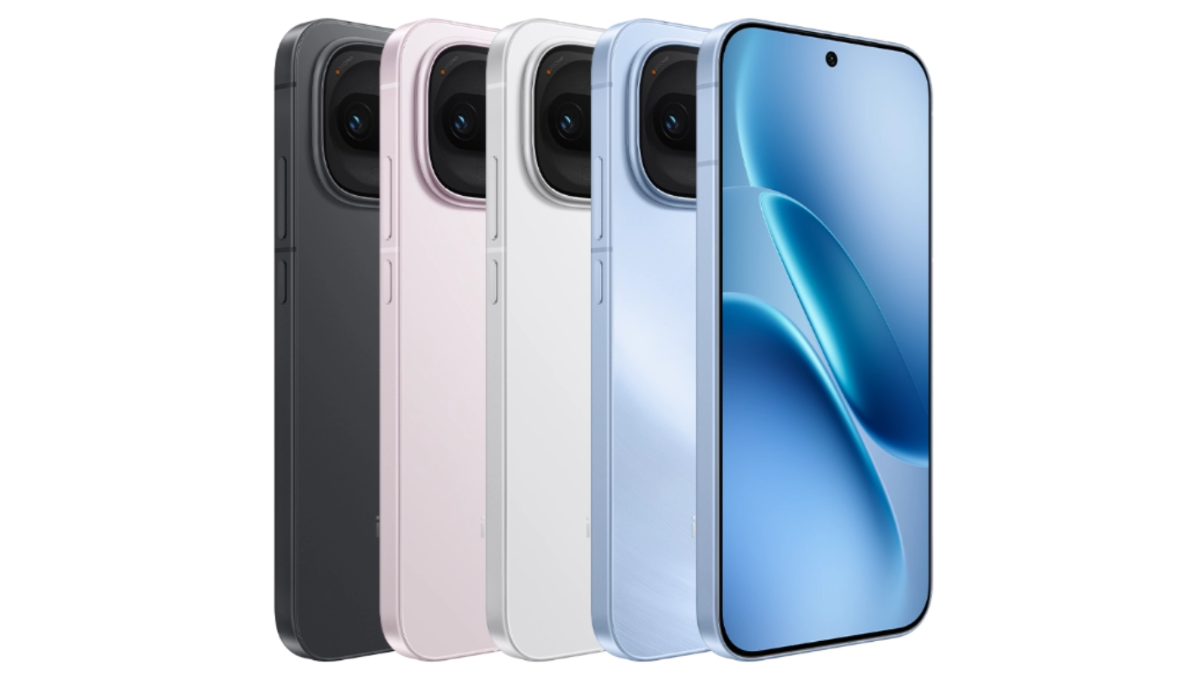
iQOO Z11x Listed on Geekbench With MediaTek Dimensity 7400 Chip, Could  Launch Soon | Technology News

iQOO is reportedly preparing to expand its recently launched Z-series lineup beyond China, with the iQOO Z11 already appearing on benchmarking platforms ahead of its global debut. The device was first introduced in China last month, featuring a large AMOLED display and a high-capacity battery, and now it seems a modified version is being readied for international markets.

The Chinese variant of the iQOO Z11 comes with a 6.83-inch AMOLED screen and is powered by the MediaTek Dimensity 8500 chipset. It also includes a dual rear camera setup and a massive 9,020mAh battery with 90W fast charging support, positioning it as a performance-focused device in its segment. However, early leaks suggest that the global model will not be identical to its China counterpart.

According to a Geekbench listing spotted by tipster Abhishek Yadav, the international version carries the model number Vivo I2512 and delivers scores of 1,214 in single-core and 3,091 in multi-core tests. The listing reveals an octa-core processor with a peak clock speed of 2.71GHz and a base frequency of 1.80GHz, paired with an Adreno 810 GPU.

These specifications strongly indicate the presence of the Qualcomm Snapdragon 7s Gen 4 chipset, marking a key change from the MediaTek-powered Chinese variant. The global model is also expected to run on Android 16 and feature 12GB of RAM, suggesting that while the core design may remain similar, performance tuning and chipset strategy could differ significantly depending on the region.

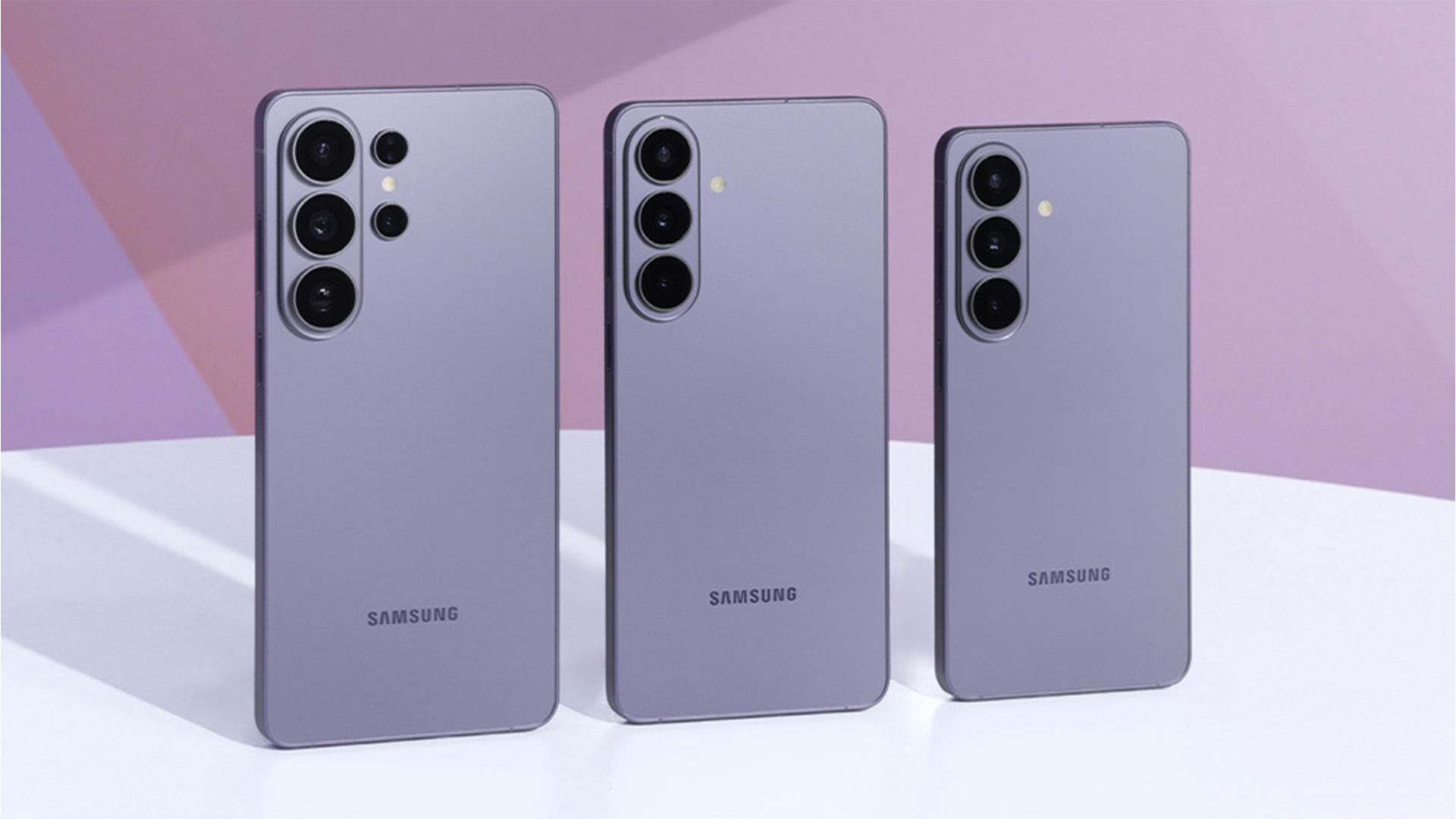
Samsung Reports Record Q1 Revenue, Warns Memory Shortage Could Persist Past 2027

Memory Shortage Crisis Will Hit Harder in 2027, Samsung Warns - Gadget  Review

Samsung Electronics has reported a record-breaking performance for the first quarter ending March 31, 2026, highlighting strong momentum across its core businesses. The company posted consolidated revenue of KRW 133.9 trillion (roughly Rs. 8,00,000 crore), marking a sharp 43 percent increase compared to the previous quarter. Operating profit also reached an all-time high, reflecting robust demand and improved margins, particularly in its semiconductor operations.

A major driver behind this growth was Samsung’s Device Solutions (DS) Division, with the memory segment playing a crucial role. The surge in demand for AI-related technologies has significantly boosted the need for advanced memory products, allowing Samsung to capitalize on its technological leadership in this space. This trend has not only strengthened revenue but also reinforced the company’s position as a key supplier in the global semiconductor market.

Meanwhile, the Device eXperience (DX) Division, which includes smartphones and consumer electronics, also delivered solid results. The MX and Networks businesses generated KRW 38.1 trillion in revenue and KRW 2.8 trillion in operating profit during the quarter. Increased sales of premium smartphones contributed to a 19 percent quarter-on-quarter rise in this segment, signaling continued consumer interest in high-end devices.

Despite the overall strong performance, not all divisions experienced growth. Samsung’s foundry business and display unit faced declines due to seasonal factors, rising component costs, and pricing pressures in the memory market. During its earnings call, the company also warned that the ongoing global memory shortage is unlikely to ease anytime soon, with expectations that supply constraints could persist beyond 2027 and potentially intensify in the near future.

Smartphone Prices Rise as OnePlus, Nothing and Others Feel Impact of Ongoing RAM Shortage

RAMageddon may hit smartphones before the end of the year — and OnePlus 16  may be in trouble

Smartphone brands are reportedly increasing the prices of their mid-range and flagship devices, as the industry faces mounting pressure from rising component costs. Companies such as OnePlus, Nothing, Realme, and Redmi are said to be adjusting their pricing strategies in response to a global shortage of key hardware components, particularly memory modules like DRAM and NAND storage.

The ongoing surge in artificial intelligence adoption is a major factor behind this shortage. Large technology firms are rapidly acquiring massive quantities of RAM and GPU chips to support AI-driven data centers, significantly straining global supply. At the same time, memory manufacturers are prioritizing the production of high-bandwidth memory (HBM), which is better suited for AI workloads. This shift has reduced the availability of conventional memory components used in smartphones, pushing costs higher for device makers.

As a result, brands are passing some of this increased cost burden on to consumers. For instance, OnePlus has updated the pricing of its latest flagship lineup in India. The OnePlus 15, originally launched at Rs. 72,999 for the base variant, is now listed at Rs. 77,999 for the 12GB + 256GB configuration. The higher-end 16GB + 512GB version has also seen a notable jump, now priced at Rs. 85,999, reflecting a significant increase compared to its initial launch price.

Similarly, the OnePlus 15R has undergone multiple price revisions. The 12GB + 256GB variant, which debuted at Rs. 47,999, has now climbed to Rs. 52,999. Meanwhile, the 12GB + 512GB option is currently listed at Rs. 57,999, up from its earlier pricing. These changes highlight a broader trend across the smartphone market, where supply chain disruptions and evolving industry demands are reshaping pricing dynamics on a global scale.