Google Pixel 10a Pre-Orders Announced, Flipkart Sale Confirmed; Key Features Expected
Google has officially confirmed that the Pixel 10a will soon be available for pre-orders in India, marking the next big launch in its affordable Pixel lineup. According to the company, customers will be able to book the device starting in the third week of February through Google’s official online store. The announcement has generated excitement among tech enthusiasts, especially after recent leaks hinted at the phone’s global availability in multiple colour variants. While Google has not yet revealed full technical details, expectations are already high due to the strong reputation of previous Pixel “a-series” models.
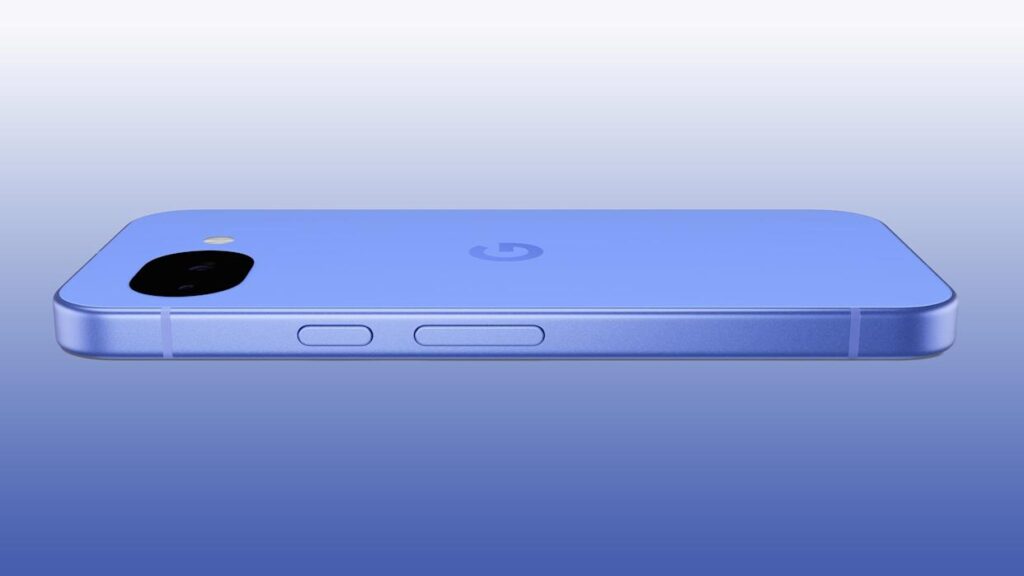
Adding to the anticipation, a dedicated launch microsite for the Pixel 10a has now gone live on Flipkart, officially confirming that the smartphone will also be sold through the popular e-commerce platform in India. The microsite highlights the device in a stylish blue shade but does not yet provide in-depth information about pricing or internal hardware. However, it clearly states that pre-orders will open on February 18, both on Flipkart and the Google India online store, giving consumers an early opportunity to secure the upcoming device.
From a design perspective, the Pixel 10a appears to retain the familiar Pixel aesthetic, featuring a flat metal frame and a dual rear camera setup housed in a pill-shaped module. Physical controls, including the power button and volume keys, are placed on the right side of the phone, maintaining Google’s traditional layout. Leaked renders suggest that, in addition to blue, the handset may also be available in green, red, and black colour options. The front of the device is expected to feature a hole-punch display, accommodating the selfie camera and offering a modern, edge-to-edge look.
Although Google has not officially disclosed pricing and specifications, reports suggest that the Pixel 10a could be priced at around $499 (approximately Rs. 44,000) for the base 128GB variant. In terms of hardware, the smartphone is rumored to come with a 6.3-inch Full-HD+ AMOLED display, delivering up to 120Hz refresh rate and a peak brightness of 2,000 nits. More details regarding performance, camera features, and the official launch timeline are expected to be unveiled by Google in the coming days, as the release date draws closer.