Apple Watch Sees Second Year of Shipment Decline Amid Stagnant Upgrades and No New Model: Report
Apple Watch Shipments Dip Again Amid Lack of Innovation and Product Gaps
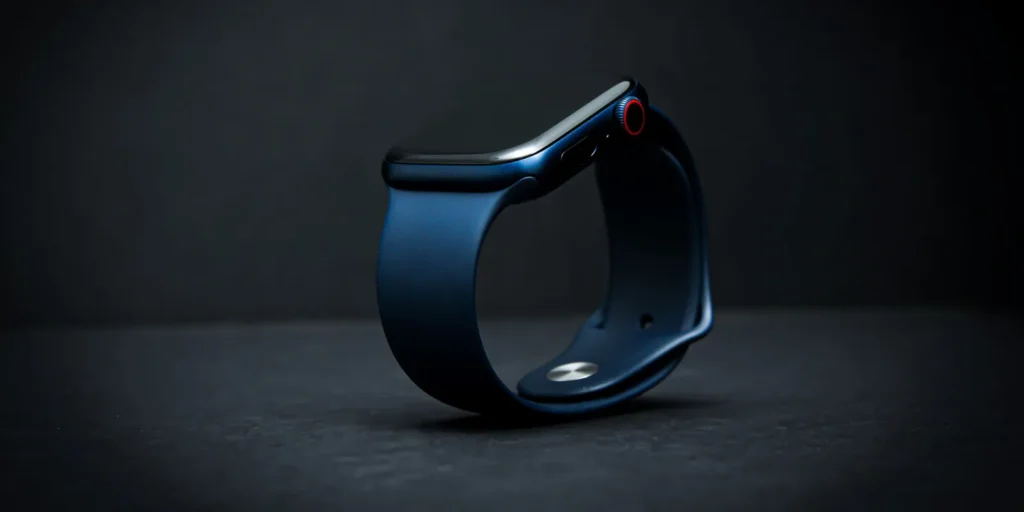
Apple is reportedly facing a continued decline in demand for its smartwatch lineup, with 2024 marking the second straight year of shrinking shipments. Market research indicates that one of the hardest-hit regions is North America—Apple’s largest market—where the drop in sales has been particularly steep. Analysts attribute this slump to a lack of new product launches and minimal upgrades in the current Apple Watch range, leaving consumers with little incentive to upgrade.
According to data from Counterpoint Research’s Global Smartwatch Shipment Tracker for Q4 2024, Apple Watch shipments fell by 19% year-over-year. This marks the fifth consecutive quarter of declining performance for the company in the wearables segment. While Apple’s shipment numbers slipped, several Chinese manufacturers gained momentum, closing the gap in the competitive global smartwatch market. Notably, Apple’s market share dropped by 8 percentage points over the past year, largely due to weakened performance in North America, which typically accounts for over half of its annual smartwatch sales.
A major reason behind this dip appears to be Apple’s subdued product strategy. The Apple Watch Series 10, launched last year, introduced only minor improvements, failing to generate enthusiasm among potential buyers. Furthermore, Apple skipped launching two key models—the Apple Watch SE (3rd Gen), a popular budget-friendly variant, and the Apple Watch Ultra 3, its premium flagship that contributes over 10% of the company’s smartwatch sales. The absence of these models left noticeable gaps in Apple’s product portfolio, affecting shipment volumes significantly.
Compounding the issue, Apple has also been navigating legal challenges related to the Watch’s health-tracking features. A patent dispute with medical tech firm Masimo over blood oxygen sensor technology led to a temporary sales halt in the U.S. To comply with legal rulings, Apple later disabled the SpO2 functionality on some models. These setbacks, combined with muted hardware changes and fewer product releases, appear to have weakened Apple’s grip on the smartwatch market, even as rivals step up innovation and affordability in the segment.