
Motorola Confirms Signature India Launch, Reveals Fabric Design Finish
Motorola Signature is teased with a fabric-textured rear panel and is expected to include a periscope telephoto camera. Devamını Oku

Motorola Signature is teased with a fabric-textured rear panel and is expected to include a periscope telephoto camera. Devamını Oku
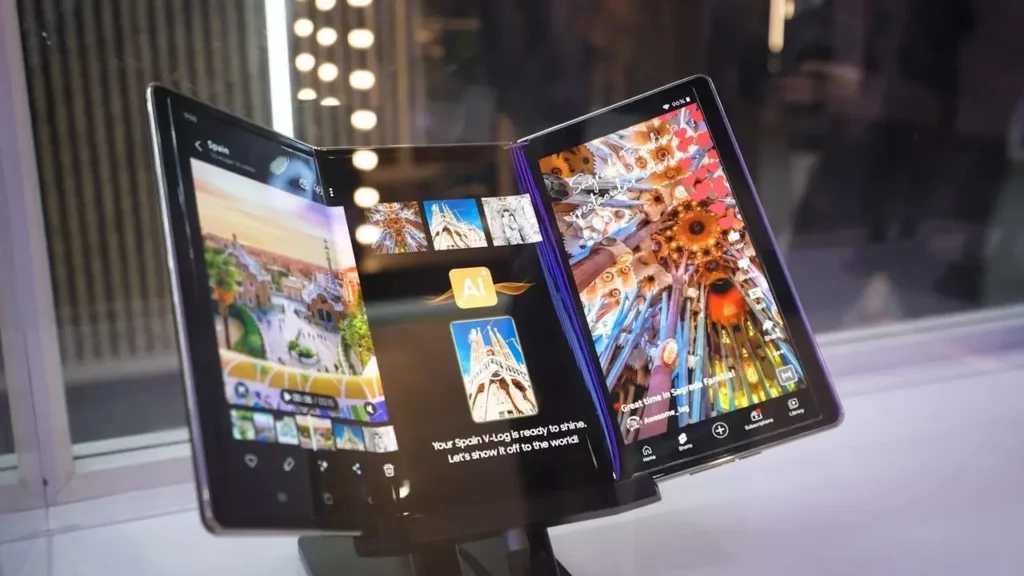

Samsung’s Galaxy Z TriFold, the company’s long-anticipated triple-folding smartphone, is shaping up to be one of its most exclusive devices. According to a recent South Korean report, Samsung has produced only 20,000 to 30,000 parts for the dual-hinged foldable, signaling a cautious approach to its launch. The handset, unveiled at APEC 2025, features a unique folding design that expands its display from 6.5 inches to 10 inches, setting it apart from competitors like the Huawei Mate XT Ultimate. The limited production suggests that Samsung is prioritizing risk management and market testing over wide availability.
Industry sources cited by The Elec indicate that Samsung’s decision to restrict production reflects the technical and financial challenges of the device. Producing a complex triple-fold mechanism at scale involves significant manufacturing risk, and the company appears unwilling to overcommit resources before assessing consumer demand. With only tens of thousands of units planned, the Galaxy Z TriFold is expected to be one of the rarest foldables in Samsung’s lineup.
The device itself represents Samsung’s most ambitious foldable innovation to date. The dual-hinged mechanism allows it to transform from a compact 6.5-inch smartphone into a 10-inch tablet-like display, offering enhanced multitasking and immersive experiences. Despite its technological prowess, Samsung is reportedly focusing on evaluating market reception, rather than targeting mass-market adoption immediately.
With a projected price tag of around $2,500 (approximately Rs. 2,21,700), the Galaxy Z TriFold is clearly positioned as a premium, niche product. Samsung’s limited production strategy, combined with its high price point and complex engineering, indicates that the company is testing the waters for foldable technology while minimizing financial risk. The coming months will likely reveal how consumers respond to one of the most daring foldables ever launched by the tech giant.

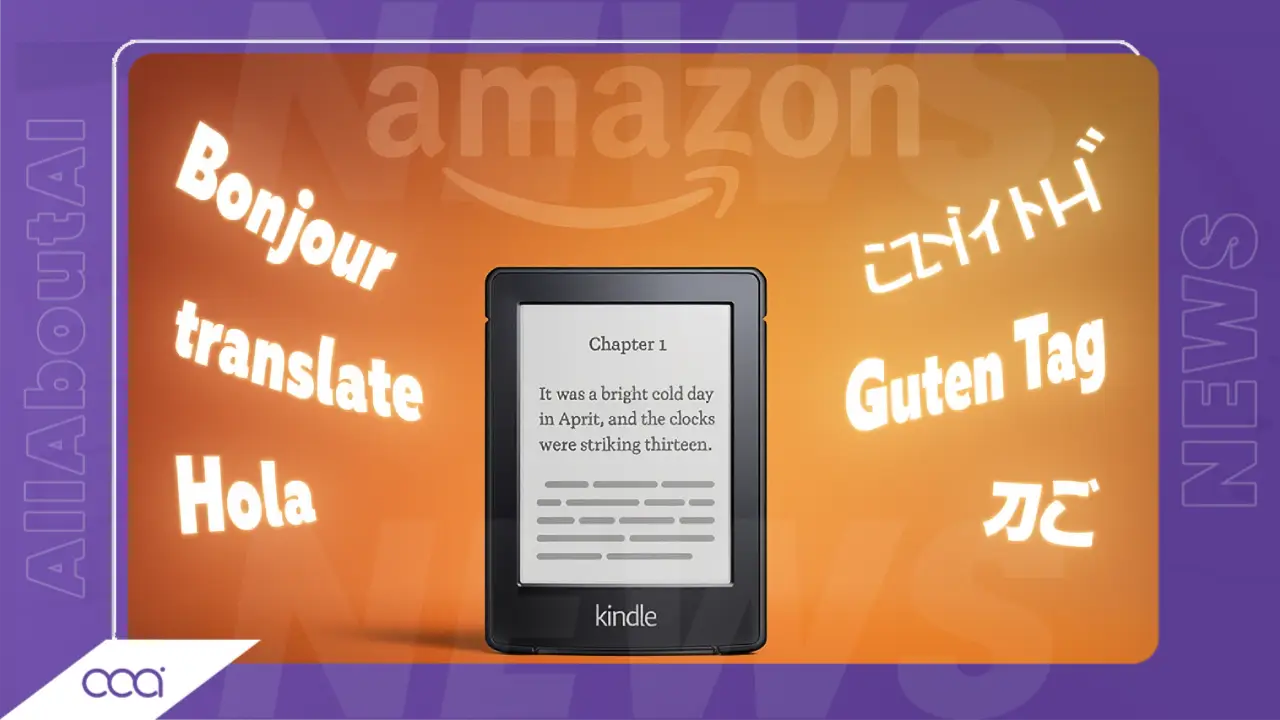
Amazon has introduced Kindle Translate, a new AI-powered translation service aimed at helping Kindle Direct Publishing (KDP) authors publish their eBooks in multiple languages. The service uses artificial intelligence to translate text between English and select other languages, simplifying the process of reaching a global audience. Titles translated using Kindle Translate will carry a special label in the Amazon store, indicating that the eBook has been translated with the service.
Currently in beta, Kindle Translate is available to select KDP authors and supports translation from English to Spanish as well as German to English. Authors can manage their translations directly through the KDP portal, selecting target languages, setting list prices, and publishing their translated works to the Amazon store. This streamlined workflow reduces the complexity and cost traditionally associated with publishing in multiple languages.
Amazon highlighted that fewer than 5% of its eBook titles are available in more than one language. With Kindle Translate, the company aims to expand access for independent authors, enabling them to reach wider, international audiences. By leveraging AI for translation, Amazon hopes to remove barriers that have historically limited the global reach of self-published content.
The launch of Kindle Translate reflects Amazon’s ongoing commitment to supporting independent authors in the global marketplace. As the beta program expands, more authors will gain the ability to publish multilingual eBooks quickly and efficiently, potentially increasing visibility, readership, and revenue streams. This move further strengthens Amazon’s position as a key platform for self-publishing in the digital age.