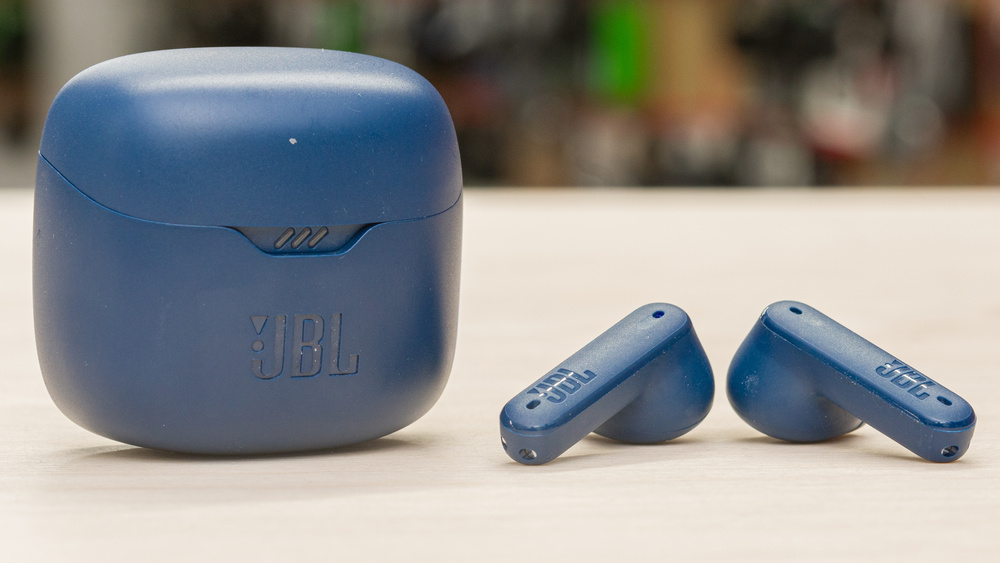
JBL Launches Tune Buds 2, Beam 2, and Flex 2 With ANC and Spatial Audio

JBL has officially launched its new Tune Series 2 true wireless stereo (TWS) earphones in India, comprising the JBL Tune Buds 2, Tune Beam 2, and Tune Flex 2. These latest additions to JBL’s audio lineup bring a host of modern features designed to enhance the user experience, including adaptive noise cancellation (ANC), spatial audio, and support for multi-point connectivity. All three models also come with Google Fast Pair for seamless device pairing, and they are built to be dust and splash resistant with an IP54 rating. Users can further personalise their listening experience through the JBL Headphones app, which offers customisation options for sound profiles, gesture controls, and more.

The pricing for the new JBL Tune Series 2 earphones reflects their premium positioning in the mid-range TWS market. The JBL Tune Buds 2 are priced at ₹9,499, while the Tune Beam 2 and Tune Flex 2 will retail for ₹11,999 and ₹10,499 respectively. JBL is offering these models in three colour options—Black, Blue, and White—allowing users to choose a style that suits their preference. According to the company’s press release, the new earphones will be available for purchase starting April 17 via the official JBL India website, Amazon, and select offline retailers.

Each model in the series offers a distinct design tailored to different user needs. The JBL Tune Buds 2 feature a traditional bud-style design with a snug fit, ideal for immersive listening. The Tune Beam 2 adopts a closed-type stick design, while the Tune Flex 2 features an open-type stick design, making them more suitable for users who prefer a lighter, less isolated fit. The Buds 2 and Beam 2 come equipped with 10mm drivers, while the Flex 2 steps up with 12mm drivers for a more dynamic sound output. All models offer robust build quality with the added benefit of water and dust resistance.

In terms of functionality, the new JBL TWS models are packed with features typically found in higher-end audio gear. With adaptive ANC, six-mic call noise cancellation, and TalkThru transparency mode, users can control how much ambient noise they want to let in or keep out. Additionally, the inclusion of VoiceAware technology gives users control over how much of their own voice they hear during calls, while the Voice Prompts feature allows for hands-free interactions. Coupled with Bluetooth 5.3 and Personi-Fi 3.0 customisation, the JBL Tune Series 2 earphones are positioned as versatile, feature-rich options for audio enthusiasts looking for premium performance without a flagship price tag.
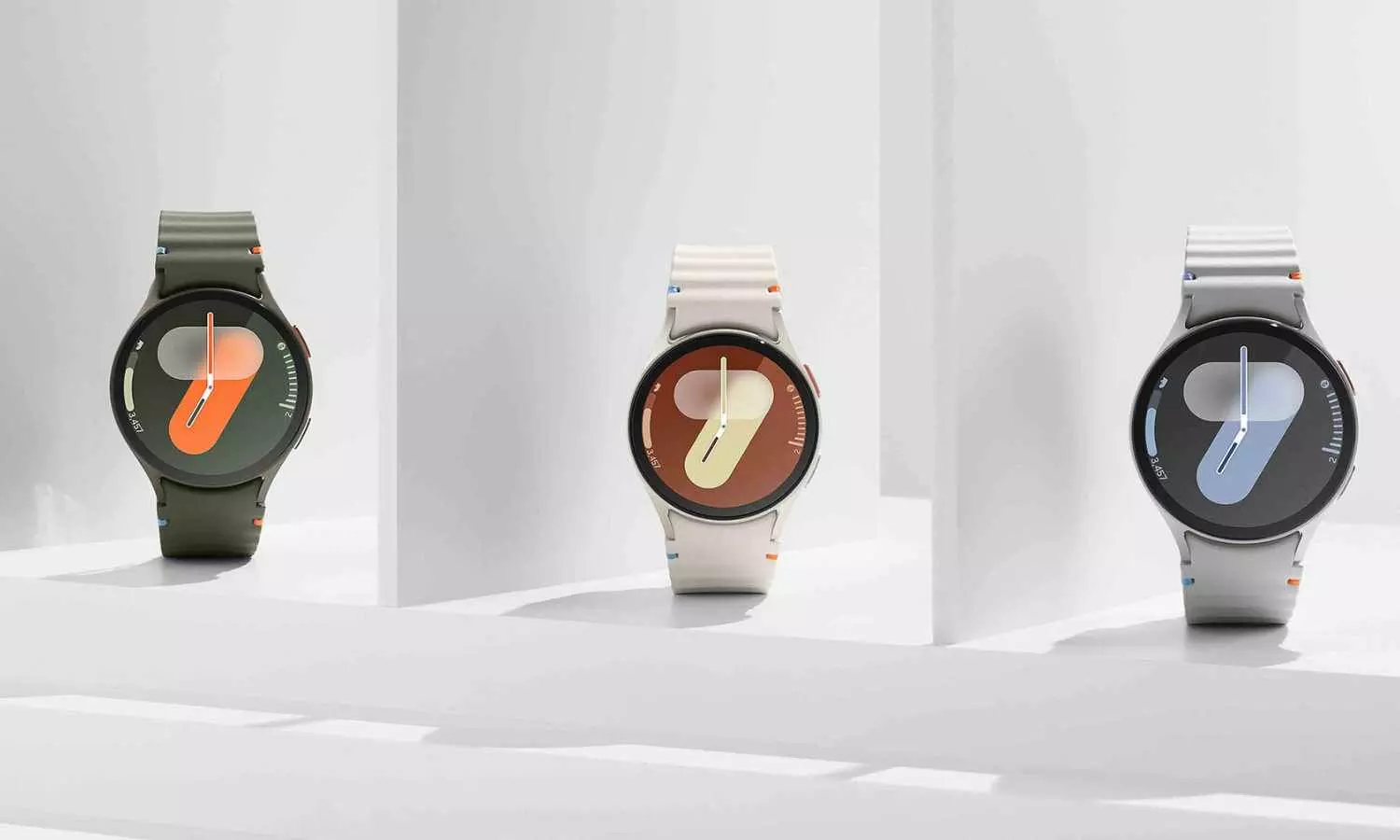
Samsung Set to Enhance Battery Technology in Upcoming Galaxy Ring and Galaxy Watch Models

Samsung Set to Revolutionize Wearable Devices with All-Solid-State “Dream Battery” Technology

Samsung is reportedly working on a breakthrough upgrade for its wearable devices, with a new all-solid-state battery technology, often referred to as the company’s “dream battery.” According to sources, this new battery will be incorporated into future models of the Galaxy Ring, Galaxy Buds true wireless stereo (TWS) earphones, and the Galaxy Watch. The solid-state batteries promise significant improvements in energy density and durability, enabling Samsung to enhance the battery life of these devices without increasing their size.

The “dream battery” uses solid electrolytes instead of the conventional liquid electrolytes found in current lithium-ion batteries. This innovation is expected to yield substantial benefits, especially for wearables, where battery life is a key concern for users. Samsung is reportedly targeting the next-generation Galaxy Ring as the first device to feature this new technology. Prototypes of the updated Galaxy Ring, equipped with all-solid-state batteries, are expected to be ready by the fourth quarter of 2025.

One of the major advantages of the solid-state battery is its improved energy density, which could translate to longer battery life for the Galaxy Ring and other devices without the need to make them bulkier. For example, the current Galaxy Ring lasts about a week on a single charge, but the new battery technology could extend this duration significantly, providing users with even better endurance. Additionally, Samsung is working on increasing the capacity of its all-solid-state battery from 200Wh/L to 360Wh/L, further enhancing its performance.

Samsung’s focus on all-solid-state battery technology could potentially set a new standard for wearables in terms of both performance and safety. Solid-state batteries are known for being more stable and less prone to issues like overheating, which makes them a promising option for portable devices. As Samsung continues to refine this technology, its future wearables could offer not only longer-lasting power but also a more reliable and durable user experience.

Meta Reportedly Developing Hypernova Smart Glasses Featuring Built-In Display and Hand Gesture Support

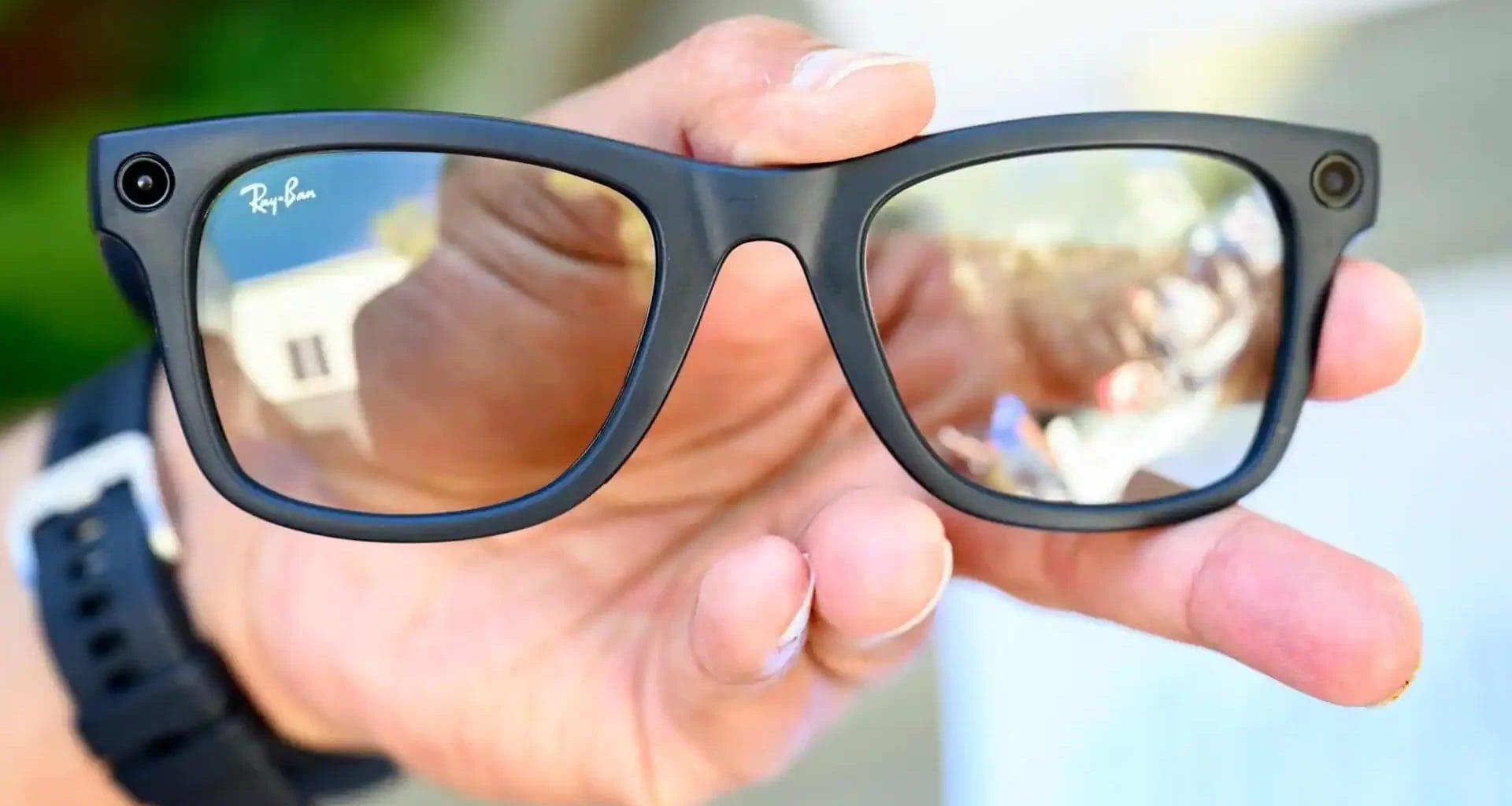
Meta is reportedly developing a new generation of smart glasses that could serve as a more advanced follow-up to its Ray-Ban Meta Glasses. Internally dubbed “Hypernova,” the upcoming wearable is said to feature a built-in display and support for intuitive hand gesture controls. The initiative marks another step in Meta’s broader vision for augmented reality, following the public reveal of its futuristic Project Orion smart glasses in 2024.

According to a Bloomberg report citing sources familiar with the matter, the Hypernova glasses will be equipped with a single screen embedded in the lower right portion of the right lens. This display is expected to let users access apps, view media, and interact with visual content through their right eye by glancing downward. The design appears to strike a balance between subtlety and utility, integrating a digital interface into a familiar eyewear form factor.

The glasses won’t rely solely on traditional touch or voice controls. Instead, Meta is developing a companion device—currently codenamed “Ceres”—in the form of a neural wristband. This accessory would enable users to control the smart glasses using hand movements and gestures, such as pinching to select or rotating the wrist to scroll. This gesture-based interface could represent a significant step forward in wearable computing, offering a more natural and immersive way to interact with digital content.

While the Hypernova glasses are still in development, a second-generation model is reportedly already in the works, underscoring Meta’s long-term commitment to smart eyewear. The new devices are expected to run on a customized version of Android, tailored to support Meta’s unique ecosystem of applications and features. If successful, these smart glasses could signal a major shift in how we access and interact with information on the go, bridging the gap between smartphones and full-scale AR headsets.