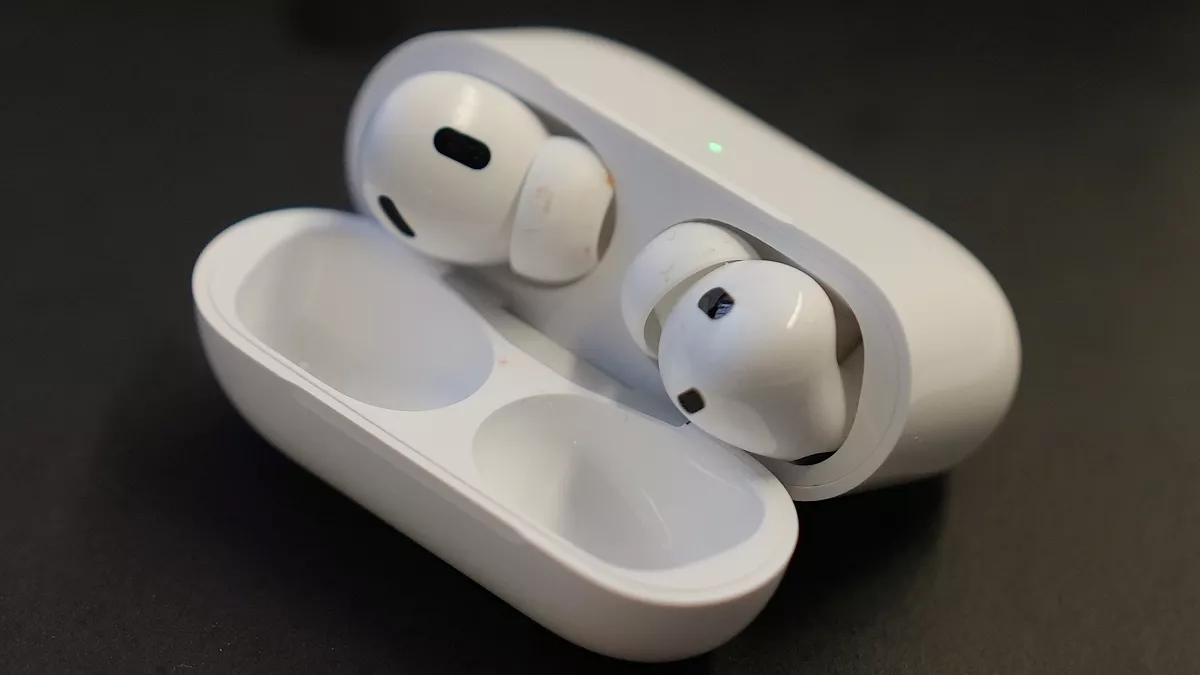
Apple AirPods May Soon Support Live Conversation Translation With iOS 19 Update

Apple is reportedly preparing to introduce a live conversation translation feature for its AirPods, enhancing their functionality beyond audio playback. According to a Bloomberg report, the feature will enable real-time translation of in-person conversations by leveraging the processing power of a connected iPhone. This capability mirrors a similar feature found on Google’s Pixel Buds when used with Pixel smartphones. Apple has been steadily expanding AirPods’ accessibility and AI-driven features, previously incorporating hearing aid support and exploring future models with built-in cameras and AI enhancements.

The live translation feature is expected to roll out as part of a software update later this year, aligning with the launch of iOS 19. Sources familiar with Apple’s plans indicate that the update will be available for existing AirPods models, eliminating the need for users to upgrade their hardware to access this functionality. If the reports are accurate, this move could significantly enhance AirPods’ value proposition, positioning them as more than just wireless audio devices.

Functionally, the translation process will rely on the connected iPhone, which will handle the heavy processing required for real-time audio translation. The feature is expected to work by capturing audio from a conversation, translating it using the iPhone’s processor, and then playing the translated speech through the AirPods. Meanwhile, responses from the AirPods user can be translated back and played through the iPhone’s speaker, facilitating seamless multilingual communication.

By integrating live translation into AirPods, Apple aims to further solidify its ecosystem of smart and interconnected devices. If successful, this update could prove to be a game-changer for travelers, professionals, and anyone frequently engaging in multilingual conversations. More details about the feature are expected to emerge when Apple officially unveils iOS 19 later this year.

Global Smartwatch Sales See First Decline in 2024, While Xiaomi Records Strong Growth: Counterpoint

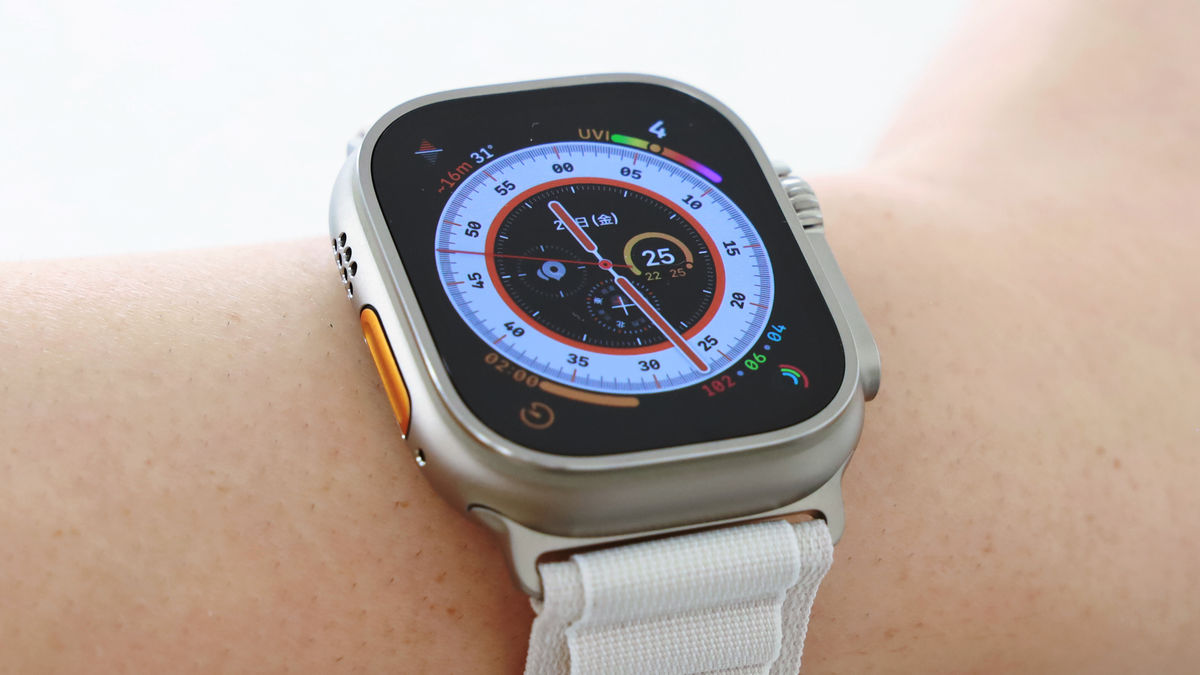
In 2024, global smartwatch shipments experienced a 7 percent year-on-year (YoY) decline, marking the first drop in sales in recent years, according to a new report from market research firm Counterpoint. Despite the overall downturn, Apple maintained its dominant position in the market, followed closely by Huawei and Samsung in second and third place. However, Apple experienced a significant 19 percent YoY decline in shipments, primarily due to a slowdown in its Apple Watch SE lineup and the lack of new SE model releases.

The drop in Apple’s shipments has had a notable impact on the overall market, but Chinese brands such as Xiaomi, Huawei, and Imoo have seen impressive growth in 2024. Xiaomi, in particular, recorded the fastest growth and secured a place among the top five smartwatch vendors for the first time. This surge in sales highlights the growing demand for affordable yet feature-rich smartwatches, a segment where Xiaomi has proven competitive. Huawei also performed strongly, securing second place with a 35 percent YoY growth, bolstered by the popularity of its smartwatch offerings.

Samsung, which has consistently held a top spot in global smartwatch shipments, saw modest growth in 2024, with a 3 percent YoY increase. This growth can be attributed to the success of its recent Galaxy Watch models, including the Galaxy Watch 7, Galaxy Watch Ultra, and Galaxy Watch FE. These models have been well-received, helping the South Korean brand maintain its foothold in the market amidst a broader decline in smartwatch sales.

While the overall smartwatch market faced challenges in 2024, the rise of Chinese brands like Xiaomi and Huawei, as well as the continued success of Samsung’s latest models, suggests that the landscape is shifting. With growing competition and evolving consumer preferences, companies will need to innovate and adapt to maintain their positions in this increasingly dynamic market. As the year progresses, it will be interesting to see how brands adjust their strategies to meet the demand for smarter, more affordable wearables.

Apple AirPods With Built-in Cameras Are Reportedly in Development, Says Mark Gurman

Apple’s innovation streak continues as it looks to push the limits of audio technology with the next generation of its iconic AirPods. Following recent product launches, including the iPhone 16e, MacBook Air with M4, and the iPad Air, Apple appears to be turning its attention to more advanced features for its wireless earbuds. According to Bloomberg’s Mark Gurman, Apple is reportedly developing AirPods with integrated cameras, a feature expected to be introduced in future AirPods models, likely starting with the AirPods Pro 4.

In his latest Power On newsletter, Gurman revealed that Apple is “actively developing” the technology to incorporate tiny cameras directly into the AirPods. While this feature is not expected to debut with the upcoming AirPods Pro 3, Apple is working on it for the subsequent versions. These cameras could capture the wearer’s surroundings and provide valuable data to power artificial intelligence (AI) features, potentially revolutionizing the way AirPods interact with their environment.

The integration of cameras in the AirPods would take a bold step toward merging audio technology with augmented reality-like features. According to Gurman, this technology could use both external cameras and AI to gather insights about the wearer’s surroundings, providing real-time information through Siri. This would essentially bring the functionality of smart glasses without requiring users to wear additional eyewear, a concept that Apple is exploring as part of its broader vision for augmented reality.

Such a development could open up exciting possibilities for users, allowing them to interact with their environment in a completely new way. Imagine asking Siri for details about objects or landmarks around you simply by using your AirPods. This integration of AI, cameras, and audio technology could make the AirPods not only an essential audio device but also a powerful tool for on-the-go information gathering, further solidifying Apple’s commitment to innovation in the audio and wearable tech space.