Samsung Galaxy Ring Now Rs. 10,000 Off in India with Exclusive Coupon Code

The Samsung Galaxy Ring, first unveiled globally in July 2024 and launched in India in October, is now available at a significant discount. Originally priced at Rs. 38,999, the smart ring is currently offered with a Rs. 10,000 reduction through an exclusive coupon code. Customers can apply the “GALAXYRING” code on Samsung’s official website or the Samsung Shop app, bringing the price down to Rs. 28,999. This offers a great opportunity for those looking to purchase the innovative wearable, which combines health-tracking features with stylish design. The discount is available right now, although the coupon’s validity period isn’t mentioned, so it’s advisable to take advantage of the offer soon.

The Galaxy Ring, which launched in India in three stylish finishes—Titanium Black, Titanium Silver, and Titanium Gold—is available in a wide range of sizes. Initially released in nine different sizes from 5 to 13, Samsung has since expanded the options to include sizes 14 and 15. This ensures that users with different finger sizes can find a comfortable fit. The ring also boasts an IP68 rating, making it resistant to dust and water, which is ideal for wearers who want a durable yet sleek wearable.

Equipped with a range of advanced features, the Galaxy Ring offers a three-sensor system, including an optical bio-signal sensor, temperature sensor, and accelerometer. These sensors enable the ring to monitor various health metrics, providing valuable data directly to the user. The ring integrates seamlessly with the Samsung Health app, allowing users to track their health and wellness in real-time. In addition to its fitness capabilities, the ring also offers convenient gesture controls, allowing users to take photos or silence alarms on a connected Galaxy smartphone with simple gestures.

With its sleek design, advanced features, and now an attractive price point of Rs. 28,999, the Samsung Galaxy Ring is an appealing choice for those looking for a smart wearable that blends functionality with style. Whether you’re interested in its health-tracking features or the convenience of its integration with other Samsung devices, the Galaxy Ring offers a unique and practical solution for modern wearers.

GoPro Hero Now Supports 4K Video Recording in 4:3 Aspect Ratio

GoPro Hero Gains 4:3 Aspect Ratio Support for 4K Video Recording

GoPro has rolled out a significant update for its GoPro Hero action camera, introducing support for 4K video recording in a 4:3 aspect ratio. Previously, the camera only supported 4K recording in a 16:9 format, which is standard for widescreen content. This update aims to enhance the field of view, offering a more immersive first-person perspective. The new feature is available as a free update via the GoPro Quik companion app for both iOS and Android users. The GoPro Hero, which launched alongside the Hero 13 Black in September 2024, remains one of the brand’s smallest action cameras to feature a built-in display.

GoPro Hero Price in India and Availability

In India, the GoPro Hero is currently priced at Rs. 19,990 and is available for purchase through Flipkart and Amazon. At launch, the camera carried a price tag of Rs. 23,990, making the current pricing a notable discount. It is available in a single black color variant, and despite being an entry-level GoPro, it retains robust durability and water resistance for adventure sports enthusiasts.

GoPro Hero’s New Video Capabilities

The 4:3 aspect ratio update offers a taller frame, capturing more of the environment in each shot. This is particularly useful for activities like biking, skiing, and skydiving, where first-person perspectives benefit from a wider vertical field of view. GoPro states that this new mode allows users to fit more people and surroundings into their shots, making it especially beneficial for social media sharing, where vertical and square formats are increasingly popular.

A Step Towards More Versatile Content Creation

With social media platforms like Instagram, TikTok, and YouTube Shorts prioritizing vertical videos, GoPro’s decision to introduce a 4:3 format aligns with current content creation trends. The ultra-wide perspective offers greater flexibility in cropping and editing, allowing creators to reframe their footage for different platforms without losing resolution. As GoPro continues to refine its software capabilities, this update ensures that even the entry-level Hero model keeps pace with evolving video recording demands.

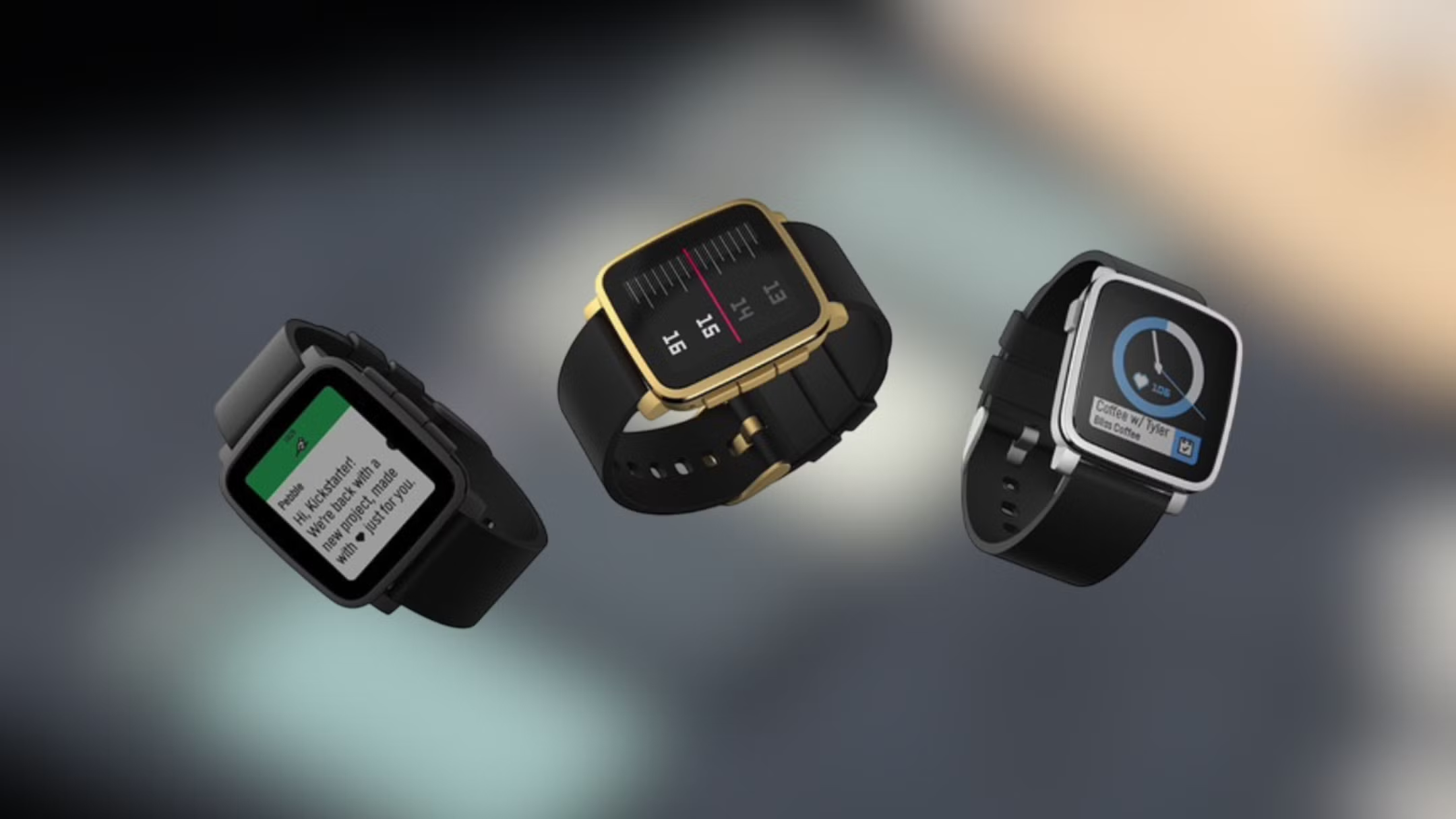
Pebble Makes a Comeback with New E-Ink Smartwatch; Google Releases OS Source Code

Pebble has officially announced its return to the smartwatch market, years after the company ceased operations due to financial struggles. The California-based company is now working on a new smartwatch under the “rePebble” branding, aiming to bring back its signature e-ink display technology. Unlike most modern smartwatches that rely on OLED or LCD panels, the upcoming Pebble device will feature an always-on e-ink screen, which is expected to improve battery life and outdoor visibility. In a significant move to support Pebble’s revival, Google has open-sourced the operating system (OS) that previously powered its smartwatches.

In a blog post, Pebble’s co-founder and CEO, Eric Migicovsky, explained why the company is returning to the market despite the abundance of smartwatch options today. According to him, most existing smartwatches lack a specific combination of core features that Pebble users loved. The new device will prioritize simplicity and functionality, focusing on essential features like time tracking, notifications, music control, alarms, weather updates, and fitness tracking. Unlike traditional smartwatch displays, Pebble aims to use a reflective e-ink screen, which remains readable under direct sunlight and consumes significantly less power.

Migicovsky also emphasized the importance of physical buttons in the smartwatch’s design, allowing users to control music playback without constantly looking at their phones. He argued that many modern smartwatches rely too heavily on touchscreens, which can be inconvenient in certain situations. Additionally, he expressed a desire for the new Pebble watch to be “hackable,” a nod to the company’s open-source philosophy. This stands in contrast to brands like Apple, which restrict users from customizing their watch faces or modifying the software.

With Google’s decision to release the OS source code, Pebble’s resurgence could mark an exciting new chapter for fans of minimalist and highly customizable smartwatches. While details about the final product, pricing, and release date remain unknown, the company’s vision suggests a return to the roots that made Pebble a fan favorite in the first place. As the development progresses, more information is expected to emerge, giving users a clearer idea of what to expect from the next-generation Pebble smartwatch.