Asteroid Spotted Just Hours Before Earth Impact, Creates Massive Fireball Over Siberia

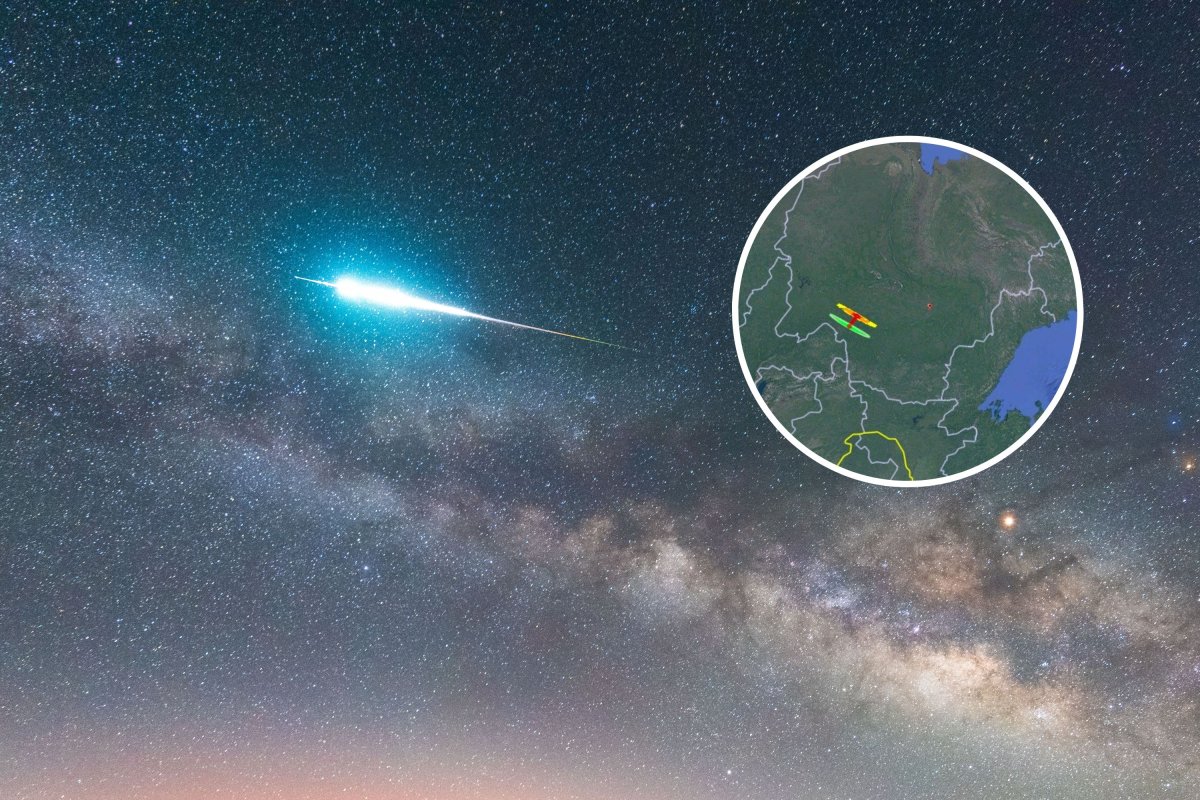
Astronomers at the Kitt Peak National Observatory in Arizona detected a small asteroid, roughly 27 inches in diameter, on a collision course with Earth. This asteroid, temporarily named C0WEPC5, entered Earth’s atmosphere around 11:15 a.m. ET, producing a harmless fireball over northern Siberia. The European Space Agency (ESA) confirmed the event, stating that the asteroid disintegrated entirely in the atmosphere, posing no threat to the planet. The bright fireball was visible to observers, but it caused no damage or danger to the region.

C0WEPC5’s close call with Earth marked the fourth asteroid of 2024 to be classified as an “imminent impactor,” a term used for objects that are detected only hours before their predicted entry into Earth’s atmosphere. This marks an unusual frequency of near-Earth encounters, with C0WEPC5 bringing the total number of imminent impactors for 2024 to 11. While most of these objects are small and burn up upon entry, their detection emphasizes the importance of continuous monitoring of the skies. Physicist Richard Moissl confirmed that another potential impactor remains unverified but is still under observation.

This year has seen several similar events, including asteroid 2024 BX1, which entered the atmosphere over Berlin in January and asteroid 2024 RW1, which exploded in a brilliant fireball over the Philippines in September. In October, asteroid 2024 UQ was detected just two hours before it lit up the skies over Hawaii in an awe-inspiring display. These incidents highlight the dynamic and sometimes unpredictable nature of small celestial bodies near our planet.

The frequent detection of these objects has prompted scientists to refine their monitoring techniques and improve early warning systems. While most of these asteroids are too small to pose a significant threat, their sudden appearance reinforces the need for ongoing surveillance of Earth’s near space environment. With each new event, astronomers continue to refine their models and enhance our understanding of potential hazards from space.

Bay of Bengal Challenges Ekman’s Wind-Driven Current Theory in Indian Ocean Study

Bay of Bengal Defies Ekman’s Ocean Current Theory
A groundbreaking study published in Science Advances has revealed a striking anomaly in Vagn Walfrid Ekman’s century-old theory of wind-driven ocean currents. Researchers from NOAA, the Indian National Center for Ocean Information Services, and the University of Zagreb analyzed long-term data from a buoy off India’s eastern coast in the Bay of Bengal. The findings indicate that ocean currents in this region deflect leftward, defying Ekman’s prediction of a rightward deflection in the Northern Hemisphere.

The Ekman Theory and Its Legacy
Developed in 1905 by Swedish oceanographer Vagn Walfrid Ekman, the theory explains how the Coriolis force influences ocean currents. According to Ekman, winds at the ocean surface cause currents to veer 45 degrees to the right in the Northern Hemisphere. With increasing depth, the water layers follow a spiral pattern, known as the Ekman spiral. This model has been foundational in oceanography, but it assumes idealised conditions, including uniform ocean depth, density, and wind patterns, which are rarely encountered in nature.

Anomalous Currents in the Bay of Bengal
Contrary to Ekman’s predictions, currents in the Bay of Bengal were observed to deflect leftward, challenging the conventional understanding of ocean dynamics. The data, collected over several years, revealed that local conditions such as distinct regional wind systems and unique oceanographic factors could explain the anomaly. These findings suggest that the Bay of Bengal operates under complex interactions that override the simplicity of Ekman’s model.

Implications for Oceanography and Climate Studies
This study underscores the need to refine global ocean current models, particularly in regions with distinct geographic and environmental influences. Understanding these deviations is critical, as ocean currents play a pivotal role in regulating climate systems, marine ecosystems, and weather patterns. The Bay of Bengal’s unique behavior could provide valuable insights for improving predictions of monsoonal dynamics and their broader impacts on climate variability across South Asia.

India Set to Launch ESA’s Proba-3 Satellites Today: Live Stream and Key Details

ESA’s Proba-3 Satellites Set for Launch Today Aboard India’s PSLV-C59
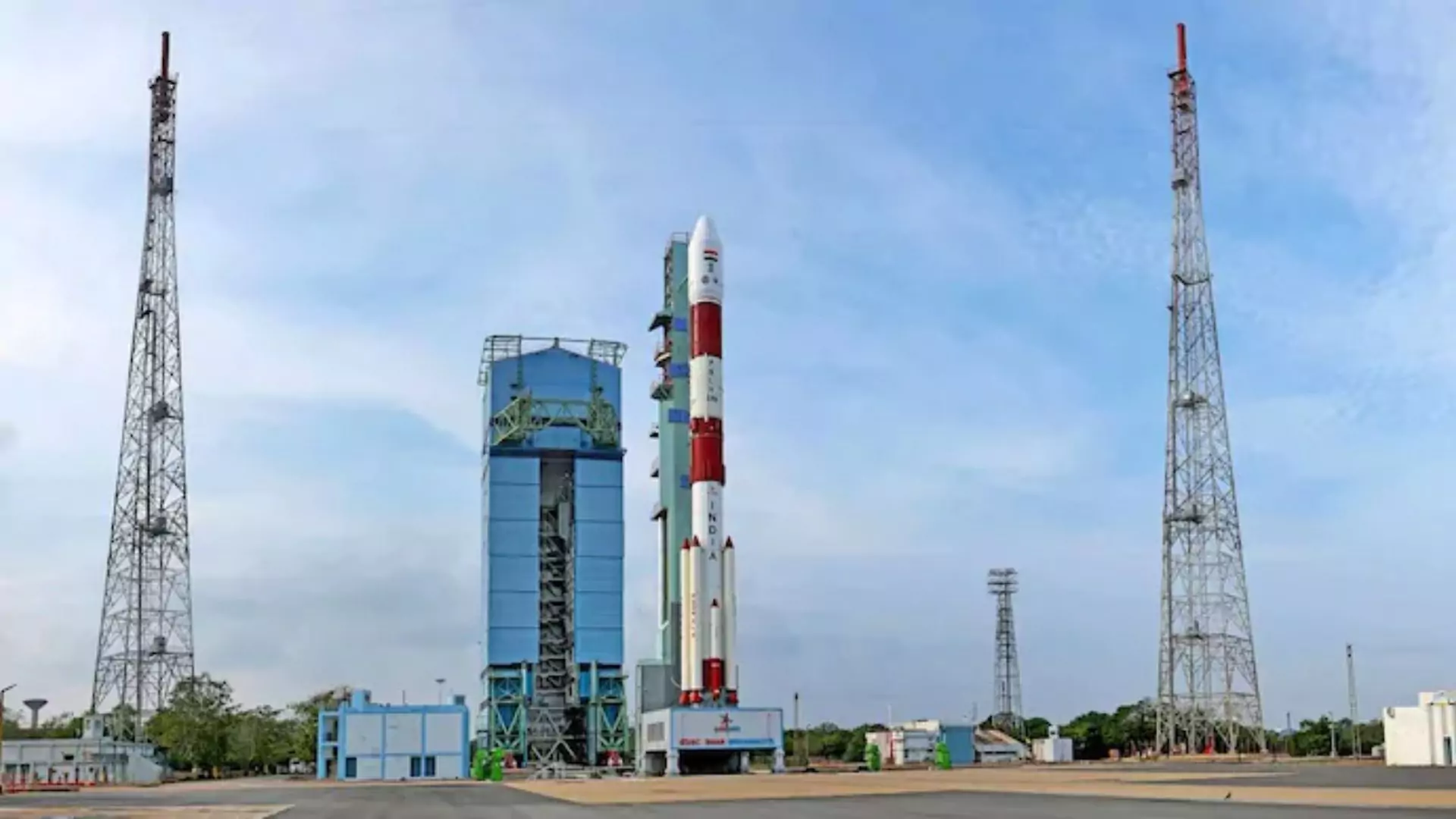
A historic mission by the European Space Agency (ESA) is set to launch today, December 4, 2024, with two advanced satellites that will work together to create artificial eclipses. The Proba-3 formation-flying mission will be launched from India’s Satish Dhawan Space Centre aboard the Polar Satellite Launch Vehicle (PSLV-C59). This mission aims to provide unprecedented insights into the Sun’s corona, marking a significant step forward in solar research.

Live Streaming and Launch Details
The Proba-3 satellites are scheduled to lift off at 4:08 PM IST. This remarkable event will be broadcast live, and space enthusiasts around the world can watch the launch via ISRO’s official YouTube channel. The Indian Space Research Organisation (ISRO) will also offer real-time updates through their social media channels, ensuring that followers can stay informed about the mission’s progress and key moments throughout the launch.

About the Proba-3 Mission
The Proba-3 mission involves two satellites flying in tandem to simulate a solar eclipse, allowing scientists to study the Sun’s outermost layer—the corona. This innovative formation flying technique will offer new opportunities for observing solar phenomena that are typically obscured by the Sun’s intense light. The Proba-3 satellites, which are equipped with advanced instruments, will gather crucial data that could help further our understanding of space weather and solar activity.

What to Expect from the Launch
The launch of the Proba-3 satellites represents not only a leap forward in solar research but also a continuation of the strong collaboration between ESA and ISRO. As India continues to make strides in space exploration, today’s launch highlights the country’s growing role in global space missions. Fans of space exploration can follow along with the live coverage to witness this exciting milestone in real-time.