
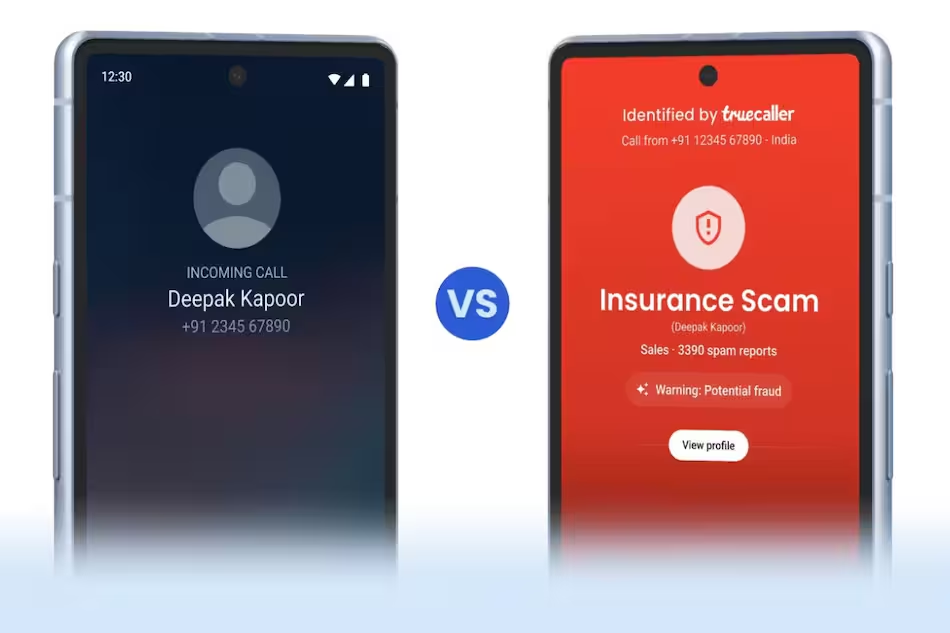
CNAP relies on telecom-verified caller information, whereas Truecaller uses user-contributed data to detect callers and filter spam.

Caller Name Presentation (CNAP) is a new caller identification system introduced by the Telecom Regulatory Authority of India (TRAI) that works directly through telecom networks. It allows users to see the registered name of an incoming caller without installing any application or paying for premium services. After entering wider trials last month, the feature is now being rolled out gradually to subscribers across the country.
Since CNAP pulls caller details from telecom operators’ KYC-verified records, it differs significantly from app-based solutions. The name displayed during an incoming call is linked to the SIM’s official registration, rather than data collected from external sources. This approach ensures that the information comes from an authenticated database maintained by service providers.
The rollout is currently focused on 4G and 5G networks, with plans to extend support to older technologies in later phases. Because CNAP functions at the network level, it does not require an internet connection or third-party platforms to display caller names, making it a built-in feature rather than an optional add-on.
While CNAP has sparked debate about the future of popular caller ID apps like Truecaller, its role appears complementary rather than disruptive. CNAP focuses on verified identity display, whereas apps continue to offer advanced spam detection, call blocking, and community-driven insights that go beyond basic caller identification.