Yazılar

Google I/O 2025 Kicks Off Today: Here’s How to Tune In to the Keynote Live Stream

Google I/O 2025 is just hours away, and excitement is building as the tech giant prepares to unveil a range of new software features and innovations. The event promises to spotlight the next wave of developments across Google’s ecosystem, including updates to Android 16 and Wear OS 6. Recent teasers suggest a strong emphasis on artificial intelligence (AI), indicating that AI-powered enhancements will play a central role in the announcements at this year’s annual developer conference. Additionally, Google is expected to reveal more about Android XR, its upcoming operating system designed specifically for extended reality (XR) devices, signaling a push into the immersive technology space.

The event’s schedule includes a highly anticipated keynote address by Google CEO Sundar Pichai, set to take place at 10 a.m. Pacific Time (10:30 p.m. IST) at the Shoreline Amphitheatre in Mountain View, California. This opening keynote will lay out Google’s vision and showcase the most important new features and products. For developers and tech enthusiasts who want to dive deeper, a more technical developer keynote will follow later, starting at 2 a.m. IST, providing detailed insights into Google’s software and platform updates.

Throughout the first day of Google I/O 2025, attendees and viewers can look forward to sessions focused on AI, Android, web technologies, and cloud computing. These sessions will begin streaming live at 3 a.m. Pacific Time (4 a.m. IST), offering a comprehensive look at the tools and innovations that Google plans to make available to developers and users alike. If you miss any of the live sessions, recorded replays will be available for viewing afterward, ensuring that no important announcements or technical details are missed.

For those eager to watch the event live, Google I/O 2025 will be streamed through the official Google for Developers YouTube channel. This means you can easily tune in using a web browser or the YouTube app on any mobile device. The event’s accessibility makes it easy for a global audience to follow along with the announcements and explore the future direction of Google’s software and services. Additionally, day two of the conference on May 21 will continue with more in-depth sessions, streamed live and available for replay, allowing developers and fans to keep pace with all the latest updates.
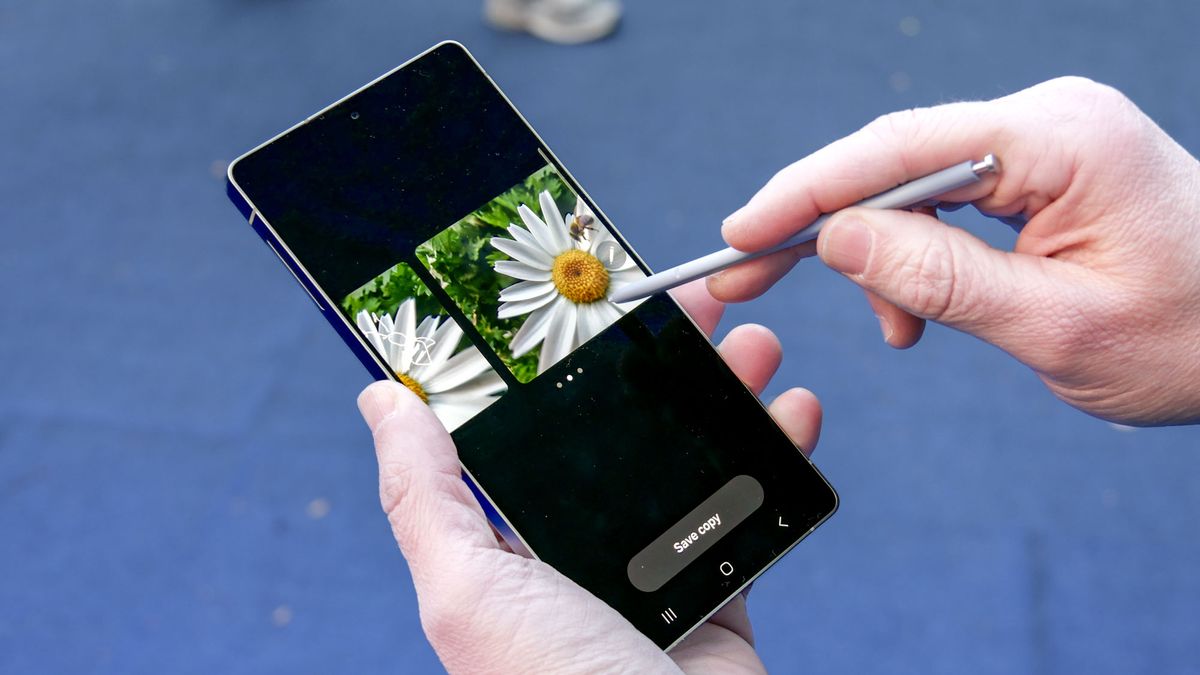

Tipster Reveals Samsung Developing AI-Based Image-to-Video Technology

Samsung is reportedly developing an innovative AI-powered feature that can transform still images into short videos. According to a tipster, this new technology will enable users to convert any photo from their gallery into a few-second-long video clip. Although detailed information about how the feature will work remains scarce, it is expected to be integrated into Samsung’s Galaxy AI suite and may debut alongside the upcoming One UI 8.0 software update.

The tip about Samsung’s image-to-video capability came from PandaFlash on X (formerly Twitter), who revealed that the feature aims to generate brief videos using just a single image as input. This suggests an advancement beyond simple photo animation, potentially allowing for more dynamic and lifelike video content. However, specifics such as the AI model behind this tool or the range of effects it can produce have yet to be disclosed.

This development closely follows similar announcements from other brands, including the Honor 400 series, which introduced an AI feature capable of creating up to five-second videos from images. TikTok also recently launched “AI Alive,” a tool that animates photos in creative ways. Both of these features primarily enhance images by adding motion, rather than generating fully new video content from scratch. Honor’s solution is reportedly powered by Google’s Veo 2 video generation model, leading to speculation that Samsung might leverage the same technology given its recent partnership with Google on Galaxy S24’s Circle to Search feature.

If implemented, Samsung’s AI video generation tool would expand the multimodal capabilities of Galaxy AI, which already supports generating images from text or image prompts. Introducing video generation would mark a significant step forward for the platform, enabling more immersive content creation directly from users’ photo libraries. The feature is anticipated to arrive as part of the One UI 8.0 update, adding fresh AI-driven creativity tools to Samsung’s flagship ecosystem.

Windsurf Unveils SWE-1 AI Models for End-to-End Software Development

Windsurf, a pioneering AI platform known for its no-code or “vibe coding” approach, has launched a new series of AI models designed to revolutionize software engineering. The SWE-1 series, unveiled on Thursday, aims to go beyond simple code generation to handle complex development tasks that typically require human-level understanding and reasoning. This lineup includes three models: SWE-1, SWE-1-lite, and SWE-1-mini, each tailored to different user needs and scenarios. While the lite and mini versions are accessible to all Windsurf users, the advanced SWE-1 model is reserved for subscribers, with pricing and availability details still to be announced.

In a recent blog post, the California-based company explained that the SWE-1 models mark a significant shift in the capabilities of coding AI. Unlike most existing models that primarily focus on writing code that compiles and passes tests, SWE-1 is built to emulate broader software engineering functions. These include operating across command-line interfaces, interpreting user feedback, and managing tasks over extended periods—abilities that reflect the real-world workflows of software developers.

The SWE-1 frontier model, considered the flagship of the series, reportedly matches the performance of Anthropic’s Claude 3.5 Sonnet and includes advanced features such as tool-calling and complex reasoning. Windsurf also emphasized that their model will be offered at a lower price point compared to Anthropic’s equivalent, potentially making powerful AI coding assistance more accessible to developers.

On the other hand, SWE-1-lite serves as a lightweight option for routine coding needs, offering unlimited usage for users across all tiers. The SWE-1-mini focuses on low-latency performance, making it ideal for real-time coding tasks where quick response times are critical. Together, these models aim to cater to a broad spectrum of developers, from casual users to those requiring more sophisticated AI-driven engineering support.