
Yazılar

Zoom Enhances Agentic Tools with AI-Powered Companion, Zoom Tasks, and Additional Features

Zoom Unveils New AI-Driven Tools to Enhance Enterprise Productivity

Zoom has unveiled a suite of new features aimed at expanding its agentic capabilities for enterprise users. Last week, the company introduced several AI-powered tools designed to streamline workflows within the Zoom Workplace ecosystem. Among these are the Custom AI Companion, Zoom Tasks, and a host of updates to existing products like Zoom Phone, Whiteboard, and Zoom CX. These innovations come on the heels of Zoom’s announcement in March, where it laid out its agentic strategy and detailed the upcoming features that would enhance productivity for users.

A major addition to Zoom’s portfolio is Zoom Tasks, which integrates directly with the Zoom AI Companion. This feature allows users to detect, manage, and complete tasks across the Zoom Workplace platform. Zoom Tasks can automatically generate to-do lists from Zoom Team Chat, Mail, or Docs, and turn them into actionable items that users can either execute themselves or delegate to the AI Companion. The tasks come with insights and suggested next steps, streamlining team collaboration and productivity. A centralised task management tab allows teams to keep track of their progress, and Zoom Tasks is available to those with Zoom Workplace plans.

In addition to Zoom Tasks, Zoom has introduced Custom AI Companion for enterprise-level customers. This feature is powered by Zoom AI Studio and offers businesses a customizable version of the AI Companion. The AI Companion can connect to a variety of third-party AI agents, extending its functionality and enabling users to perform a wide range of tasks. Zoom has ensured compatibility with models like Anthropic’s Model Context Protocol (MCP) and Google’s Agent to Agent Protocol, facilitating seamless integration with external tools. This expanded AI functionality offers a more tailored and efficient experience for businesses seeking automation and enhanced capabilities.

These new AI tools are part of Zoom’s broader vision to reshape the workplace with agentic technologies. The company also rolled out updates for other Zoom services, including improvements to Zoom Meetings, Team Chat, and the Zoom Revenue Accelerator. While some of these features are available to all users, the more advanced tools like the Custom AI Companion are limited to paid users. Zoom’s latest updates aim to further solidify its position as a leading platform for business communications and productivity.

Instagram to Implement AI-Powered Age Verification to Identify Teen Accounts Pretending to Be Adults

Instagram is ramping up its efforts to safeguard teenagers on its platform by enhancing its Teen Accounts feature, first introduced in 2024. On Monday, the company unveiled plans to implement AI-powered age detection tools designed to proactively identify teens who may be posing as adults. The goal is to better protect young users from potential online dangers such as harassment and inappropriate content. When the platform detects users who have provided an adult birthday but are suspected to be underage, it will automatically classify them under Teen Accounts, ensuring that their experience is tailored to a safer environment. Additionally, Instagram is launching parent notification campaigns, encouraging parents to review the age settings on their children’s accounts for added oversight.

Instagram’s decision to use AI tools to detect teenagers is part of an ongoing effort to make the platform safer for younger users. When the Teen Accounts feature was first launched in 2024, Instagram mentioned that it would rely on algorithms to identify users who appeared to be underage but had set an adult birthday. The company has long been concerned with the issue of teens misrepresenting their age, especially given the social media landscape’s appeal to younger demographics. The new AI tools are an expansion of this initiative, bringing more precision to the identification process and reinforcing Instagram’s commitment to protecting vulnerable users.

The AI-powered system will analyze various markers to determine if an account is likely to belong to a teenager. For instance, engagement patterns like teens following other teens or receiving birthday messages that don’t align with the user’s age (such as a “happy 14th birthday” message on a 20-year-old profile) will be red flags. By leveraging this technology, Instagram hopes to detect inconsistencies more efficiently and prevent teens from accidentally engaging with adult-oriented content or interacting with users who may pose a risk.

Though Instagram has not disclosed the full technical specifics of its AI age detection process, the platform has emphasized that it has been using similar AI tools for years, primarily for age verification purposes. In the past, these tools have been used to ensure that users see age-appropriate ads and content. Now, Instagram is expanding the use of AI to better categorize users, offering a more secure and customized experience, particularly for its younger audience. This marks a significant step in Instagram’s broader strategy to maintain a safer, more responsible online space for all users, particularly teenagers.

Google Unveils AI Glasses in Live Demo, Teases Upcoming Gemini Features

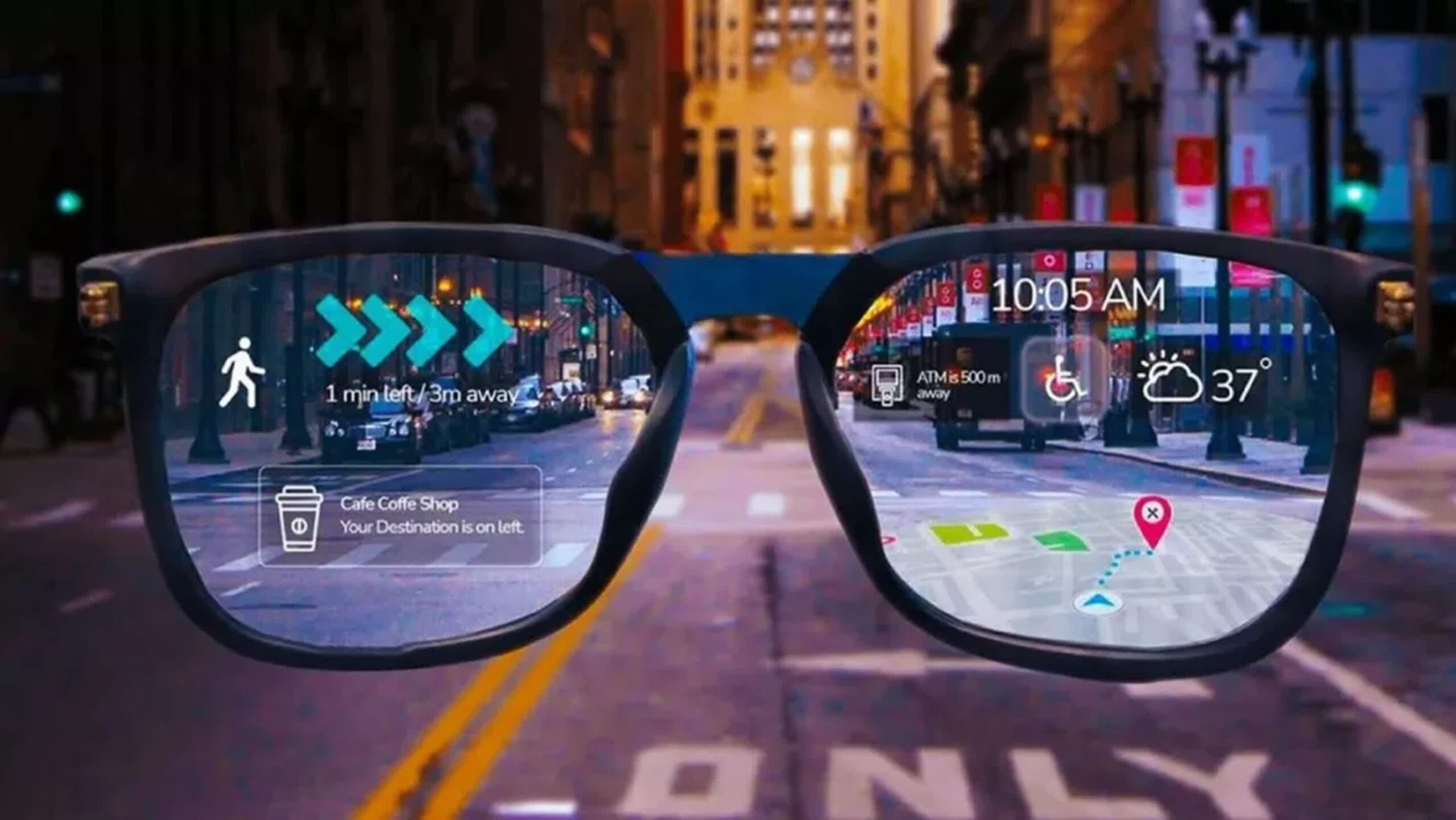
Google has recently unveiled several exciting updates to its Gemini platform, including the introduction of the Gemini 2.5 models. However, these updates are just a glimpse into what the tech giant has in store for the future. At a recent TedTalk, the company offered an exclusive live demonstration that showcased its new AI Glasses, providing a sneak peek into their potential capabilities. This demonstration not only highlighted the groundbreaking technology behind the glasses but also gave a hint of upcoming Gemini features that could significantly enhance user experience in the near future.

During the live demo, Shahram Izadi, Vice President and General Manager of Android XR at Google, introduced the AI Glasses in a captivating presentation. The wearable device, which appears to be inspired by the 2013 prototype that never made it to market, is now infused with Gemini’s advanced features. This fusion aims to enhance the glasses’ functionality, making them not just a product of wearables but also a smart device deeply integrated with Google’s AI advancements.

One of the standout features teased in the presentation was Gemini Live, a two-way real-time voice conversation feature designed to transform how users interact with AI. This feature is expected to expand the utility of the glasses, allowing users to engage in seamless, interactive conversations with the device. Whether for professional use, personal assistance, or entertainment, the real-time voice capabilities could redefine the way users experience AI-powered wearables.

Looking ahead, Google hinted at further enhancements to the Gemini platform, focusing on improving both its performance and its integration with wearable technology. With more Gemini features on the horizon, the company aims to create a richer, more interactive user experience, positioning its AI Glasses as an essential tool for the future of wearable technology. As Google continues to innovate, it seems clear that the company is setting the stage for a future where AI seamlessly blends into everyday life through advanced devices like these glasses.