Yazılar

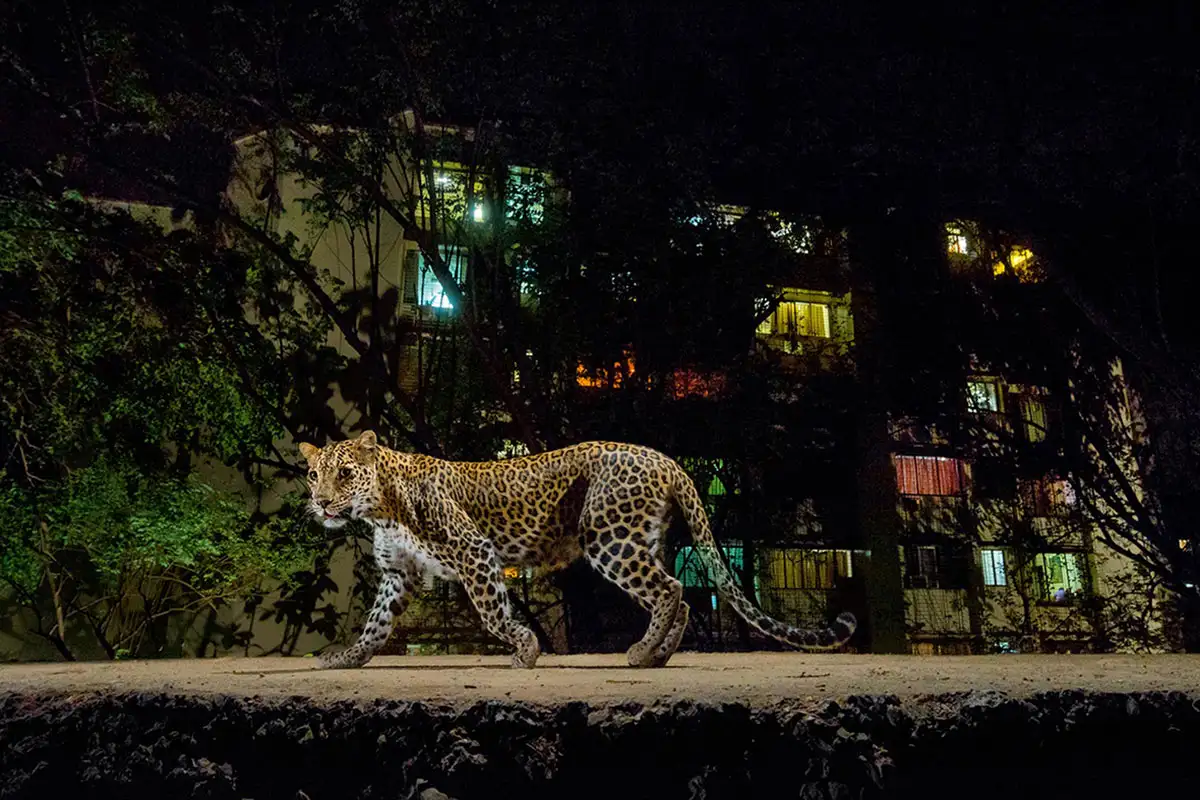
Study Reveals Human Activity Driving Mountain Lions in Los Angeles to Adopt Nocturnal Habits

Mountain lions in the Greater Los Angeles area are increasingly altering their natural activity patterns to avoid human interaction, according to a study published on November 15 in Biological Conservation. The research sheds light on how these elusive predators, also known as pumas or cougars, are adapting to the growing presence of human recreational activities such as hiking, jogging, and cycling in their habitats. This shift in behavior illustrates the challenges of wildlife coexisting with urban populations and raises important questions about the long-term impacts of human encroachment on natural ecosystems.

The study, conducted by Ellie Bolas, a doctoral researcher at the University of California, Davis, focused on the movement patterns of 22 GPS-collared mountain lions in the Santa Monica Mountains. By combining data from the collared lions with exercise activity data from Strava, a popular fitness app, the researchers were able to map how human activity overlapped with wildlife behaviors. The data, collected between 2011 and 2018, provided detailed insights into how mountain lions navigate a landscape increasingly shaped by human presence.

One of the key findings was a notable shift in the lions’ activity patterns in areas with high human activity. Typically most active during dawn and dusk, mountain lions in these regions began shifting their peak activity to nighttime hours. This change allows them to minimize encounters with humans while still fulfilling essential needs such as hunting and patrolling their territories. Such behavioral flexibility underscores the resilience of these predators, but it also highlights the pressure they face in adapting to an environment dominated by human activity.

These findings have significant implications for wildlife management and urban planning. As human recreational activities continue to expand into natural habitats, understanding how animals like mountain lions adapt can help inform policies that balance conservation with human interests. The study also serves as a reminder of the importance of preserving wildlife corridors and minimizing disruptions to natural ecosystems, ensuring that urban growth does not come at the expense of biodiversity.

‘Chonkus’ Algae Discovered Off Italian Coast Could Offer Solutions for Climate Change Mitigation

A groundbreaking strain of cyanobacteria, nicknamed “Chonkus,” has been discovered in the hydrothermal waters surrounding Italy’s Vulcano Island, stirring excitement due to its potential for carbon capture. The strain, formally known as UTEX 3222, was found during a marine study focused on collecting water samples from the volcanic vents in the region. The large cyanobacteria exhibit unique properties that may make them valuable in efforts to mitigate climate change by capturing carbon dioxide (CO₂) from the environment.

The volcanic hydrothermal environment around Vulcano Island is rich in carbon dioxide, which provides an ideal setting for Chonkus to thrive. Research has shown that this strain of cyanobacteria produces carbon-dense granules within its cells, a characteristic that accelerates its sinking rate in the ocean. As the algae absorb CO₂ from the surrounding water, they become more efficient at sequestering carbon, eventually sinking to the ocean depths where the captured carbon is stored for long periods, potentially reducing atmospheric CO₂ levels over time.

Beyond its natural role in marine ecosystems, Chonkus presents intriguing possibilities for industrial applications, particularly in carbon capture technologies. This cyanobacteria’s ability to store carbon internally could offer significant advantages for industries looking to reduce their carbon footprints. Studies suggest that Chonkus may be able to improve carbon capture efficiency by up to 30 percent compared to other methods, potentially lowering energy costs for industrial processes. This could be a game-changer in efforts to combat climate change through more sustainable and cost-effective means.

The discovery of Chonkus has drawn attention from leading scientists, including Professor George Church, a prominent researcher at Harvard University and the Massachusetts Institute of Technology. Church highlighted the significance of harnessing natural evolutionary processes, like the ones seen in Chonkus, to help tackle global environmental challenges. With further research and development, Chonkus could become a key player in carbon capture strategies, offering an innovative solution to help reverse the impacts of climate change.

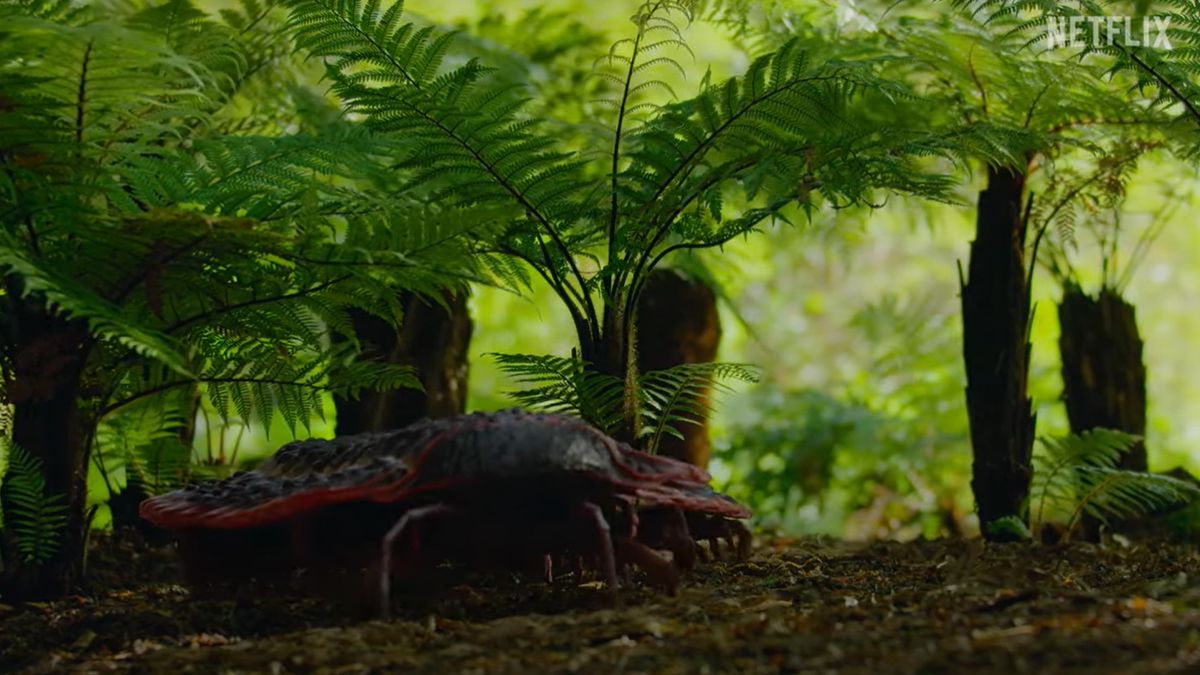
Discovery of Head of Ancient Car-Sized Millipede Provides Insights into Evolutionary Mysteries

A remarkable fossil has been unearthed, revealing the head of Arthropleura, a gigantic millipede-like arthropod that roamed the Earth approximately 346 to 290 million years ago. This creature was one of the largest arthropods ever recorded, measuring up to 8.5 feet (2.6 meters) in length. The discovery, made in Montceau-les-Mines, France, marks the first time the head of Arthropleura has been found and sheds light on the longstanding evolutionary questions surrounding this ancient organism. Mickaël Lheritier, a paleontologist at Claude Bernard Lyon 1 University, emphasized the importance of this find, particularly the new insights it provides into the creature’s anatomical features.

The fossil comprises two juvenile specimens of Arthropleura, meticulously preserved in rock. Researchers utilized advanced CT scanning technology to examine the fossils, revealing distinctive features such as stalked eyes and mandibles reminiscent of those found in centipedes. These characteristics had perplexed scientists for years, as Arthropleura exhibited traits common to both millipedes and centipedes. The new evidence offers a clearer understanding of where Arthropleura fits within the complex arthropod family tree, bridging gaps in our knowledge of its evolutionary history.

The unique features of the newly discovered head provide valuable insights into the life cycle of Arthropleura. The presence of stalked eyes is particularly intriguing, as such adaptations are typically associated with aquatic species rather than terrestrial arthropods. This has led researchers to propose that juvenile Arthropleura may have been semi-aquatic, potentially spending part of their early lives in water before transitioning to a land-based existence as adults. This revelation adds a fascinating layer to our understanding of how these ancient creatures adapted to their environments.

Overall, this discovery not only enriches our knowledge of Arthropleura but also enhances our comprehension of the evolutionary trajectories of ancient arthropods. By piecing together the anatomical features and possible life habits of Arthropleura, scientists are beginning to unravel the mysteries of prehistoric ecosystems and the diverse forms of life that inhabited them. As research continues, this fossil could pave the way for further exploration into the evolutionary links between ancient and modern arthropods, opening new avenues in the study of life’s history on Earth.