Yazılar

US SEC to Shift Away from Mandating Crypto Firms to Register as Trading Systems, Says Chief

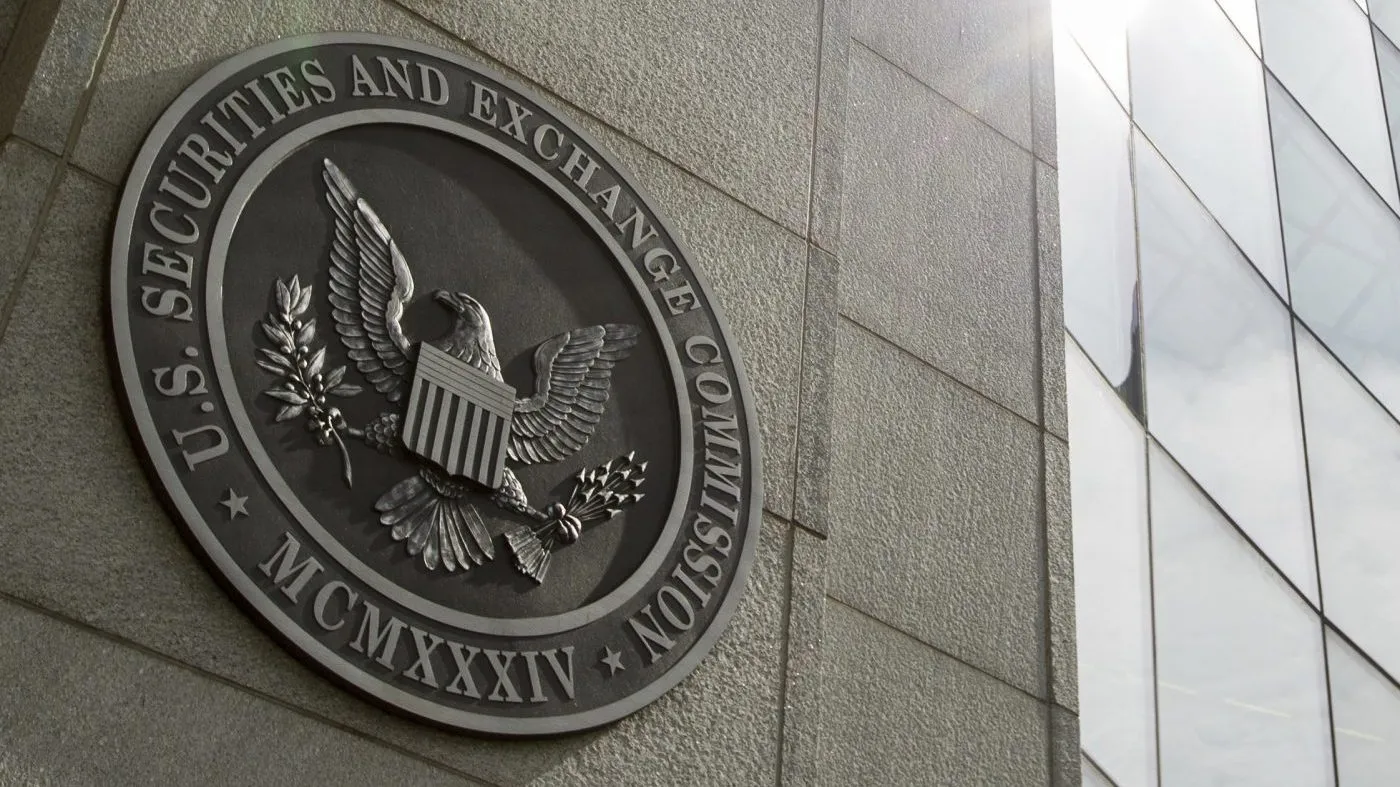
The US Securities and Exchange Commission (SEC) has announced a shift in its stance regarding the regulation of cryptocurrency firms. Acting Chairman Mark Uyeda stated on Monday that he has directed staff to explore ways to abandon the previous plan that would have broadened the definition of alternative trading systems (ATS) to include certain cryptocurrency platforms. This decision marks a significant change from the SEC’s 2022 proposal, which aimed to impose stricter oversight on the crypto sector by requiring some firms to register as ATS.

The 2022 proposal faced significant backlash from the cryptocurrency industry, with concerns that it would lead to increased regulatory burdens and further complicate the operational environment for crypto firms. Critics argued that such a move would subject the sector to an array of rules intended for traditional trading systems, potentially stifling innovation. Uyeda acknowledged these concerns and revealed that the SEC is reconsidering its approach. He emphasized that the plan to extend ATS registration to crypto firms had yet to be finalized, and staff are now exploring alternative ways to proceed.

In his remarks, Uyeda also noted that the original proposal had been part of a broader effort to regulate the Treasury markets. He described it as a mistake to link the regulation of government securities markets with efforts to curb the growth of the crypto market. “In my view, it was a mistake for the Commission to link together regulation of the Treasury markets with a heavy-handed attempt to tamp down the crypto market,” Uyeda said. This comment suggests a shift towards a more nuanced approach to regulating cryptocurrency that is separate from traditional financial markets.

Additionally, Uyeda revealed that he has asked SEC staff to re-engage in discussions with key government agencies, including the Treasury Department and the Federal Reserve, as well as market participants. These conversations will focus on the original regulatory proposals for government securities alternative trading systems, with an aim to refine and update the approach without unnecessarily expanding oversight on the crypto industry. This move reflects the SEC’s desire to strike a balance between protecting investors and fostering a thriving cryptocurrency ecosystem.
Trump Orders SEC Task Force to Draft Crypto Regulations by August

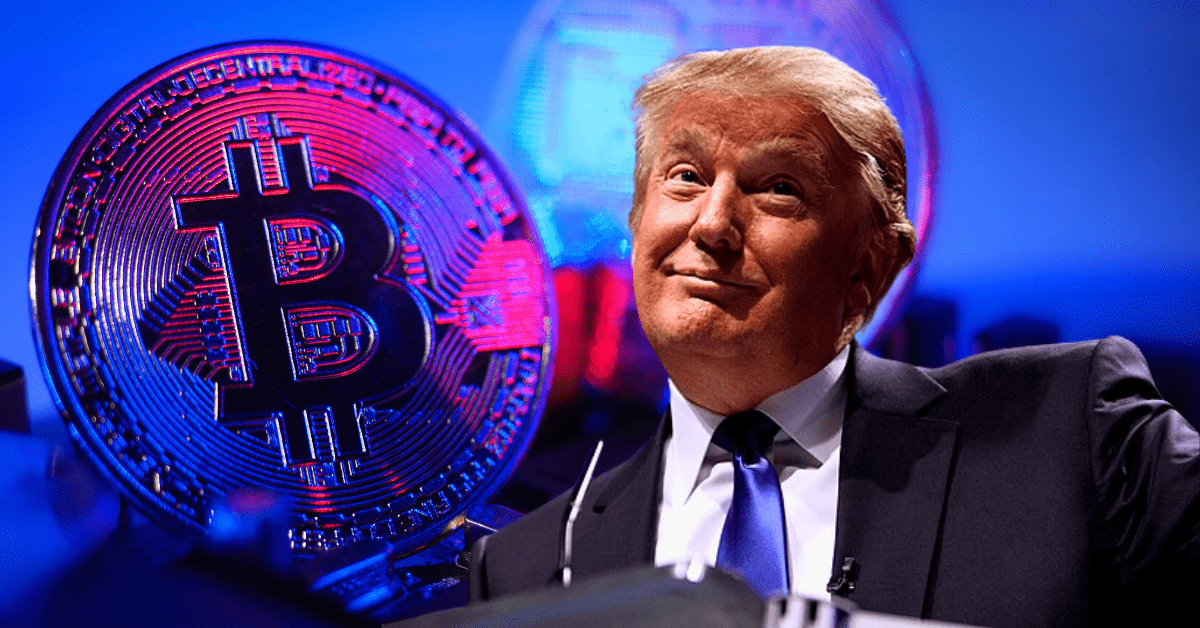
US President Donald Trump recently convened a historic Crypto Summit at the White House, bringing together key figures from the cryptocurrency industry and US lawmakers under one roof. This marked the first major engagement between the government and the crypto sector, signaling a shift toward clearer regulatory policies. During the summit, President Trump directed the US Securities and Exchange Commission’s (SEC) Crypto Task Force to draft a comprehensive regulatory framework for cryptocurrencies and stablecoins. He emphasized that he expects the finalized proposal to be on his desk by the end of August, giving the task force roughly five months to complete its work.

The announcement reflects the administration’s growing recognition of the crypto industry’s impact on financial markets and technological innovation. With regulatory uncertainty often cited as a major challenge for blockchain-based enterprises, a structured policy framework could provide much-needed clarity for businesses and investors. Industry leaders have long advocated for clear guidelines to prevent regulatory arbitrage and encourage responsible innovation within the United States. Trump’s directive to fast-track these regulations suggests a strong push toward integrating crypto into the broader financial system.

Chris Dixon, a managing partner at Web3-focused investment firm a16z crypto, described Trump’s directive as the most significant takeaway from the summit. Dixon, a prominent advocate for decentralized technologies, stressed the importance of a well-defined regulatory structure. He highlighted that a predictable legal environment could spur innovation and attract investment while addressing concerns related to security, fraud, and consumer protection. His remarks align with the broader industry consensus that proactive policymaking is essential for fostering long-term growth in the digital asset space.

Trump’s call for swift action on crypto regulations has been met with optimism from industry leaders, but it also raises questions about how the SEC and other regulatory bodies will approach the task. Balancing innovation with investor protection remains a key challenge, especially as global competition in the crypto sector intensifies. As the deadline approaches, stakeholders will closely watch how the SEC’s task force navigates the complexities of this rapidly evolving industry.

Binance to Add and Remove Tokens Based on Community Votes: Here’s the Process

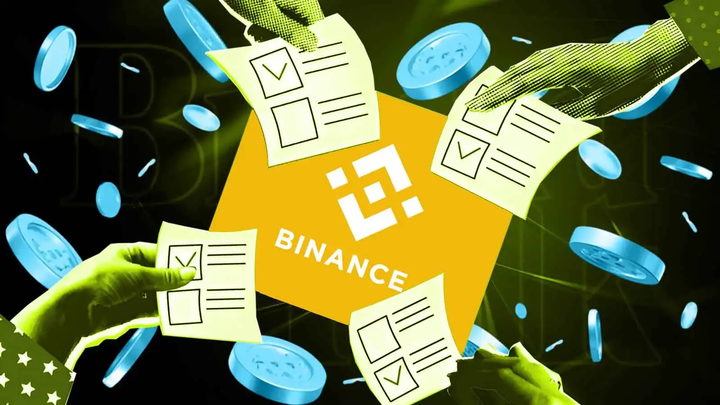
Binance has introduced a new initiative to allow its community to play a direct role in the listing and delisting of crypto tokens on its platform. As the largest cryptocurrency exchange in the world, Binance faces the challenge of navigating a rapidly growing and increasingly crowded market of altcoins. By involving its users in the decision-making process, Binance aims to ensure that only high-quality, innovative, and compliant projects are listed, while also enhancing transparency and accountability within the platform. This move comes as part of Binance’s ongoing efforts to provide a more inclusive environment for the cryptocurrency community.

The platform’s new approach will see community members voting on which newly launched tokens should be listed. Binance will create a voting pool from tokens selected internally, and users will be able to vote for the tokens they wish to support. To be considered for listing, projects must have completed their Token Generation Event (TGE), the stage where new tokens are first created and distributed. These projects can then submit self-nomination applications to be included in the voting pool, offering them a direct path to gaining the community’s approval.

In addition to token listings, Binance is also enhancing its approach to delisting tokens that no longer meet its criteria. The exchange will introduce a “Monitoring Zone” to flag tokens that raise concerns, such as those with inactive communities or lack of development. Tokens associated with early-stage projects that attempt to inflate their token supply without following proper protocols will also be moved to this zone before potential delisting. This system is designed to safeguard investors and ensure that only legitimate projects remain on the platform.

To participate in this community-driven process, Binance users will need to hold at least 0.01 BNB tokens in their accounts. The current price of BNB, Binance’s native token, is $565 (approximately Rs. 49,330), meaning users must hold about $5.60 (Rs. 490) worth of BNB to engage in the voting process. This new feature marks an exciting step forward for Binance, making it easier for users to have a say in which projects thrive on the exchange and creating a more democratic and user-centric platform for all.