Yazılar

Google Plans to Move Pixel Production from Vietnam to India as Part of Supply Chain Diversification

Google Explores Shifting Pixel Production from Vietnam to India Amid Supply Chain Diversification

Google is reportedly considering relocating some of its Pixel smartphone production from Vietnam to India, as part of its broader strategy to diversify its supply chain. This move is expected to accelerate Google’s plans to increase manufacturing in India over the next few years. Like other tech giants such as Apple, Google appears to be reacting to recent tariffs imposed by US President Donald Trump on several countries, including both Vietnam and India. The shift aims to mitigate the impact of these tariffs on its operations.

According to a report from The Economic Times, Alphabet, Google’s parent company, has been in talks with key manufacturing partners in India, including Foxconn and Dixon, to facilitate the transition. As part of this shift, Google is also encouraging its partners to source critical components locally, such as fingerprint scanners, batteries, and chargers, rather than relying on imports. This strategy is aimed at reducing costs and further integrating India into its supply chain network.

Currently, up to 45,000 Google Pixel smartphones are already being manufactured in India each month, though most of these devices are sold within the country. Production in India began in August 2024 with the launch of the Pixel 8, and while Google had already planned to increase local production, recent talks with Foxconn and Dixon suggest the company is now looking to expedite the process. Eventually, Google plans to ship a portion of the Pixel smartphones produced in India to international markets, including the US, following a model similar to Apple’s.

The timing of this move comes as a direct response to US tariffs imposed on China, Vietnam, and India. While the tariffs on most countries, except China, have been paused for 90 days, companies like Google are looking for ways to protect themselves from the long-term impact of these trade policies. Shifting production to India could help Google avoid some of these duties while also boosting its manufacturing capacity in a rapidly growing market.
Google Unveils AI Glasses in Live Demo, Teases Upcoming Gemini Features

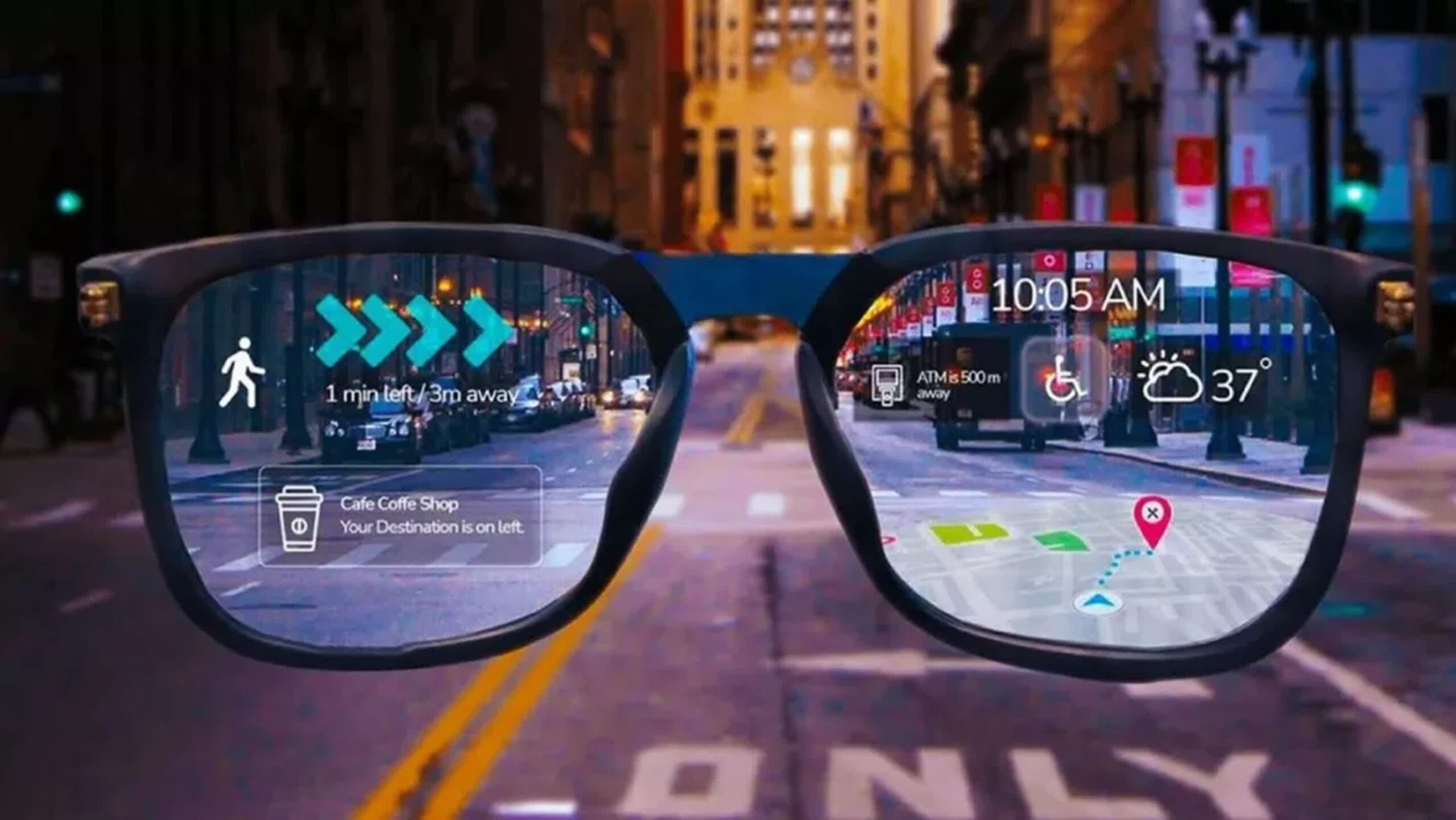
Google has recently unveiled several exciting updates to its Gemini platform, including the introduction of the Gemini 2.5 models. However, these updates are just a glimpse into what the tech giant has in store for the future. At a recent TedTalk, the company offered an exclusive live demonstration that showcased its new AI Glasses, providing a sneak peek into their potential capabilities. This demonstration not only highlighted the groundbreaking technology behind the glasses but also gave a hint of upcoming Gemini features that could significantly enhance user experience in the near future.

During the live demo, Shahram Izadi, Vice President and General Manager of Android XR at Google, introduced the AI Glasses in a captivating presentation. The wearable device, which appears to be inspired by the 2013 prototype that never made it to market, is now infused with Gemini’s advanced features. This fusion aims to enhance the glasses’ functionality, making them not just a product of wearables but also a smart device deeply integrated with Google’s AI advancements.

One of the standout features teased in the presentation was Gemini Live, a two-way real-time voice conversation feature designed to transform how users interact with AI. This feature is expected to expand the utility of the glasses, allowing users to engage in seamless, interactive conversations with the device. Whether for professional use, personal assistance, or entertainment, the real-time voice capabilities could redefine the way users experience AI-powered wearables.

Looking ahead, Google hinted at further enhancements to the Gemini platform, focusing on improving both its performance and its integration with wearable technology. With more Gemini features on the horizon, the company aims to create a richer, more interactive user experience, positioning its AI Glasses as an essential tool for the future of wearable technology. As Google continues to innovate, it seems clear that the company is setting the stage for a future where AI seamlessly blends into everyday life through advanced devices like these glasses.

Android 16 Beta 4 Update Brings New Clock Font and Dynamic AOD Colours to Pixel Devices

The recent release of Android 16 Beta 4, which came out last Thursday, introduced several bug fixes for Pixel devices, but it also brought some subtle changes to the user interface. One of the most noticeable tweaks involves the clock font in the Pixel’s status bar. While the general look remains the same, there are minor adjustments to the font, including wider spacing between the numbers and a slight change in the height of the characters. These adjustments might not be immediately obvious to users, but they offer a more refined look for the time display on the Pixel’s status bar.

According to reports, the Android 16 Beta 4 update was specifically noticed on the Pixel 9, where the clock’s appearance was modified. The number “0” is now narrower compared to the previous beta, and the spacing between the “1” and “2” appears to have widened. While these changes affect the clock’s font, it appears that the battery icon and other status bar elements remain unchanged. This indicates that Google is refining the aesthetic of the clock without altering the entire status bar UI, maintaining consistency across the screen.

In addition to the clock changes, Android 16 Beta 4 also brings a refreshing update to the Always-On Display (AOD) clocks. Previously, the clocks had thin white outlines, but with this update, the outlines are now dynamically colored. This change introduces more vibrant customization, allowing for a more personalized aesthetic depending on the user’s wallpaper and theme. The AOD now offers a more visually engaging experience, with the dynamic color feature adding a modern touch to the always-on display.

These UI tweaks in Android 16 Beta 4 might seem small, but they contribute to a more polished and customizable user experience on Pixel devices. While the update primarily focuses on under-the-hood bug fixes, these visual enhancements show that Google is also paying attention to the finer details, improving both functionality and design aesthetics for its users. As more beta updates are released, it’s likely that we will see additional refinements to the UI, further shaping the overall Android experience for Pixel users.