Yazılar

Apple Releases iOS 18.5 Developer Beta 2 With Vision Pro App Fixes and Writing Tool Updates

Apple has rolled out the iOS 18.5 Developer Beta 2 update for iPhone developers and beta testers, continuing its cycle of iterative improvements ahead of the full release. While the update does not introduce any major new features, it builds on the groundwork laid by iOS 18.5 Developer Beta 1, focusing mainly on bug fixes and system refinements. According to Apple, these beta updates are crucial for developers to ensure their apps remain compatible with upcoming changes and to test against newly introduced APIs.

One of the key highlights of the iOS 18.5 Developer Beta 2 is a fix related to the Apple Vision Pro app. Initially launched with iOS 18.4, the Vision Pro app allows users to discover and download apps and games for the spatial computing headset. However, some users encountered a bug where the app opened to a black screen when downloaded from the App Store. Although partially addressed in the previous beta, this latest update further ensures that the issue is fully resolved across all affected devices.

The update also addresses a problem involving the hvf framework’s C APIs, where availability checks were not functioning as intended. C APIs are critical for enabling lower-level system interactions, and this fix should help stabilize apps relying on this functionality. Additionally, Apple fixed an issue within StoreKit, the framework that supports in-app purchases and subscription services. Previously, the isEligibleForIntroOffer(for:) function incorrectly returned false when users were not signed into their device, potentially impacting promotional offers for apps and services.

Lastly, improvements have been made to Apple’s writing tools framework. Specifically, a bug affecting text attribute handling when using NSWritingToolsCoordinator or UIWritingToolsCoordinator properties has been corrected. These updates, while largely technical, are vital for ensuring a smoother developer experience and a more stable iOS ecosystem ahead of the broader iOS 18.5 rollout.

iOS 19 May Drop Support for iPhone XR and Other A12 Bionic Devices

As anticipation builds for Apple’s Worldwide Developers Conference (WWDC) 2025, set for June, details about the upcoming iOS 19 update are beginning to emerge. Apple is expected to unveil its latest version of the iPhone operating system during the keynote, offering a glimpse at new features, performance improvements, and UI refinements. However, alongside the excitement, a new report suggests that not all current iPhones will make the cut when it comes to compatibility with the new OS.

According to a report by 9to5Mac, which cites a private but credible source on X (formerly Twitter), iOS 19 may not support several iPhone models that are powered by the A12 Bionic chip. This includes the iPhone XR, iPhone XS, and iPhone XS Max — all of which debuted in 2018. If true, this marks a significant shift as Apple appears to be phasing out software updates for devices using the A12 chipset, signaling a growing focus on newer hardware.

Should the report prove accurate, the iPhone 11 series and later — including the second-generation iPhone SE (2020) — would become the baseline for iOS 19 eligibility. That said, even among supported devices, not all features will be universally available. Apple has increasingly tailored some of its latest functionalities, especially AI-driven ones, to newer iPhones. For instance, the Apple Intelligence suite introduced last year remains limited to devices with the A17 Pro chip and newer, such as the iPhone 15 Pro and iPhone 16 series.

It’s not just iPhones facing the chop either — iPads may also see a narrowing of support. The same source reports that the seventh-generation iPad, released in 2019 and running on the A10 Fusion chip, will likely not receive the upcoming iPadOS 19 update. As Apple continues to push forward with more demanding software features, dropping support for older hardware appears to be part of a broader strategy to streamline performance and deliver a more unified user experience across its ecosystem.

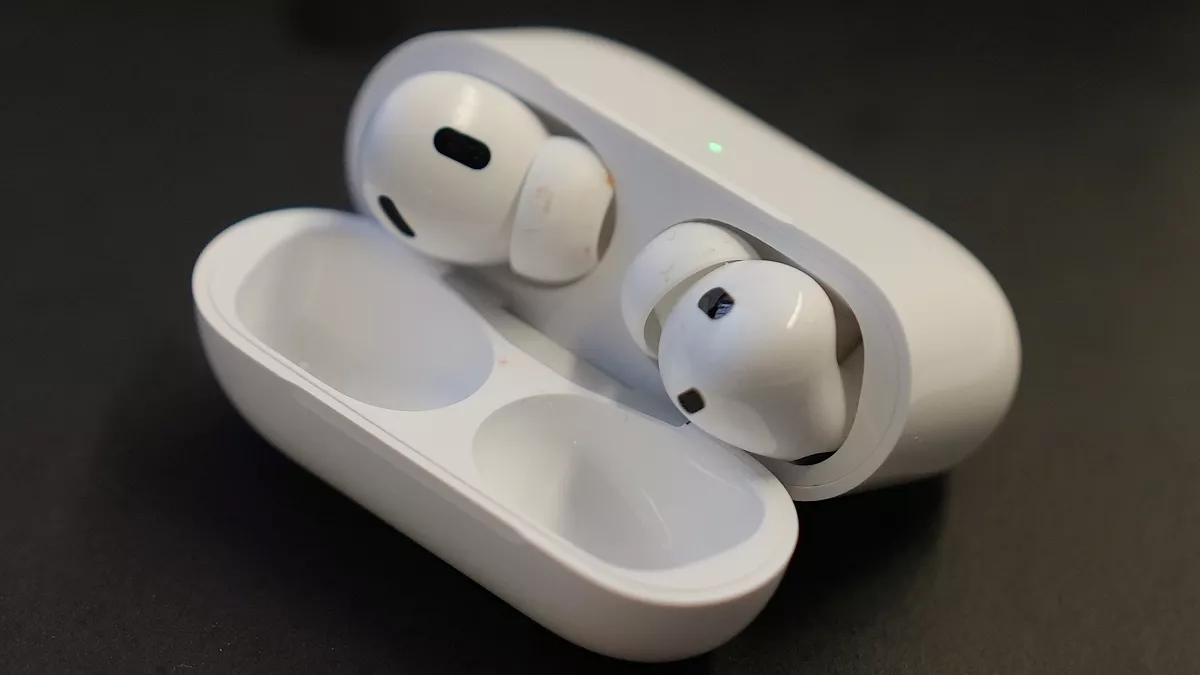
Apple AirPods May Soon Support Live Conversation Translation With iOS 19 Update

Apple is reportedly preparing to introduce a live conversation translation feature for its AirPods, enhancing their functionality beyond audio playback. According to a Bloomberg report, the feature will enable real-time translation of in-person conversations by leveraging the processing power of a connected iPhone. This capability mirrors a similar feature found on Google’s Pixel Buds when used with Pixel smartphones. Apple has been steadily expanding AirPods’ accessibility and AI-driven features, previously incorporating hearing aid support and exploring future models with built-in cameras and AI enhancements.

The live translation feature is expected to roll out as part of a software update later this year, aligning with the launch of iOS 19. Sources familiar with Apple’s plans indicate that the update will be available for existing AirPods models, eliminating the need for users to upgrade their hardware to access this functionality. If the reports are accurate, this move could significantly enhance AirPods’ value proposition, positioning them as more than just wireless audio devices.

Functionally, the translation process will rely on the connected iPhone, which will handle the heavy processing required for real-time audio translation. The feature is expected to work by capturing audio from a conversation, translating it using the iPhone’s processor, and then playing the translated speech through the AirPods. Meanwhile, responses from the AirPods user can be translated back and played through the iPhone’s speaker, facilitating seamless multilingual communication.

By integrating live translation into AirPods, Apple aims to further solidify its ecosystem of smart and interconnected devices. If successful, this update could prove to be a game-changer for travelers, professionals, and anyone frequently engaging in multilingual conversations. More details about the feature are expected to emerge when Apple officially unveils iOS 19 later this year.