
NASA’s Europa Clipper Mission: A Journey to Uncover the Secrets of Europa
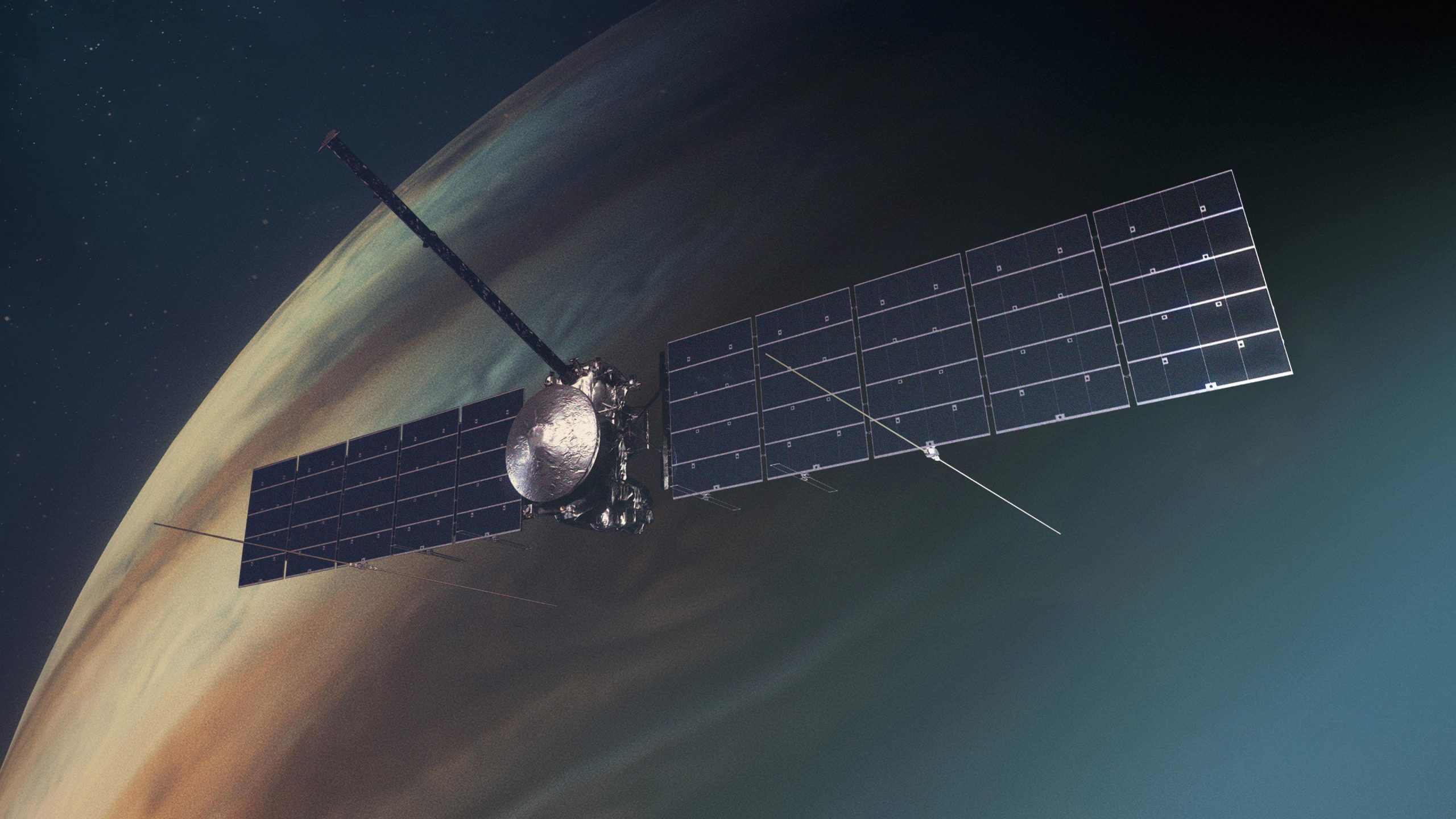
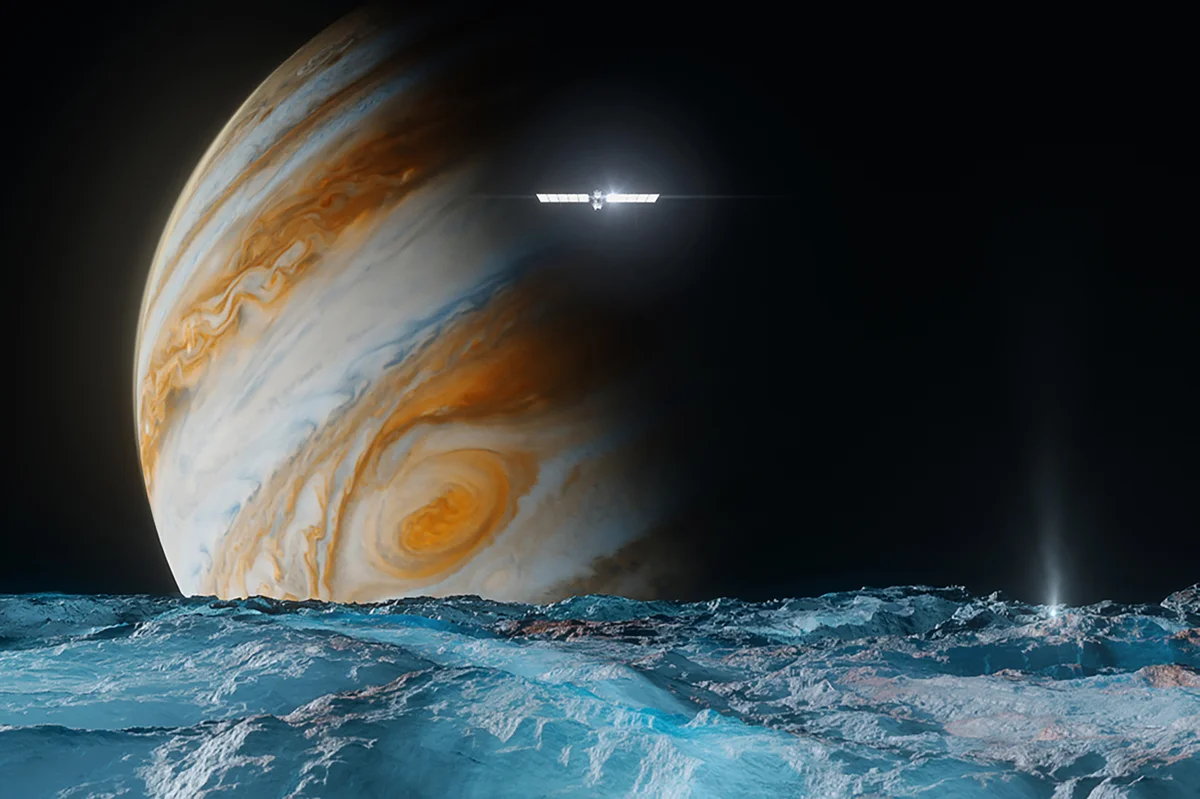
NASA has launched its Europa Clipper mission, a groundbreaking initiative designed to explore Europa, one of Jupiter’s most fascinating moons. Scientists are particularly intrigued by Europa due to the potential existence of a subsurface ocean beneath its thick icy crust, which may harbor conditions conducive to life. The Europa Clipper spacecraft is set to conduct 49 flybys of the moon, employing cutting-edge instruments to analyze both the surface and the ocean beneath, thereby enhancing our understanding of this enigmatic satellite.
In-Depth Surface Analysis and Organic Compound Search
One of the primary objectives of the Europa Clipper mission is to study Europa’s icy surface and determine whether it contains organic materials that may have originated from the subsurface ocean. Key instruments, such as the Mapping Imaging Spectrometer for Europa (MISE), will facilitate the identification of various surface materials. Additionally, the Europa Thermal Emission Imaging System (E-THEMIS) will help scientists pinpoint thermal hotspots, which could indicate geological activity beneath the icy shell. By searching for signs of organic compounds and gases that may escape from the moon, researchers hope to gather critical evidence about Europa’s habitability.
Investigating Europa’s Internal Structure
Beyond surface analysis, the Europa Clipper mission aims to delve into the moon’s internal structure. The Europa Clipper Magnetometer (ECM) and the Plasma Instrument for Magnetic Sounding (PIMS) will measure the induced magnetic field and electrical currents surrounding Europa. These measurements are essential for understanding the characteristics of the subsurface ocean, including its depth and salinity, as well as the thickness of the ice shell above it. This data will help scientists assess whether the conditions beneath the ice are suitable for supporting life.
Radar Technology to Reveal Hidden Environments
An essential component of the Europa Clipper mission is the Radar for Europa Assessment and Sounding to Near-surface (REASON) instrument. This advanced radar technology will enable researchers to penetrate the icy surface and explore the ocean lying below. By providing insights into the composition and structure of the ice, as well as identifying potentially habitable environments, REASON is poised to play a crucial role in our quest to understand Europa’s potential for life. As the mission unfolds, scientists anticipate that the findings will not only deepen our knowledge of Europa but also shape future explorations of icy worlds throughout our solar system
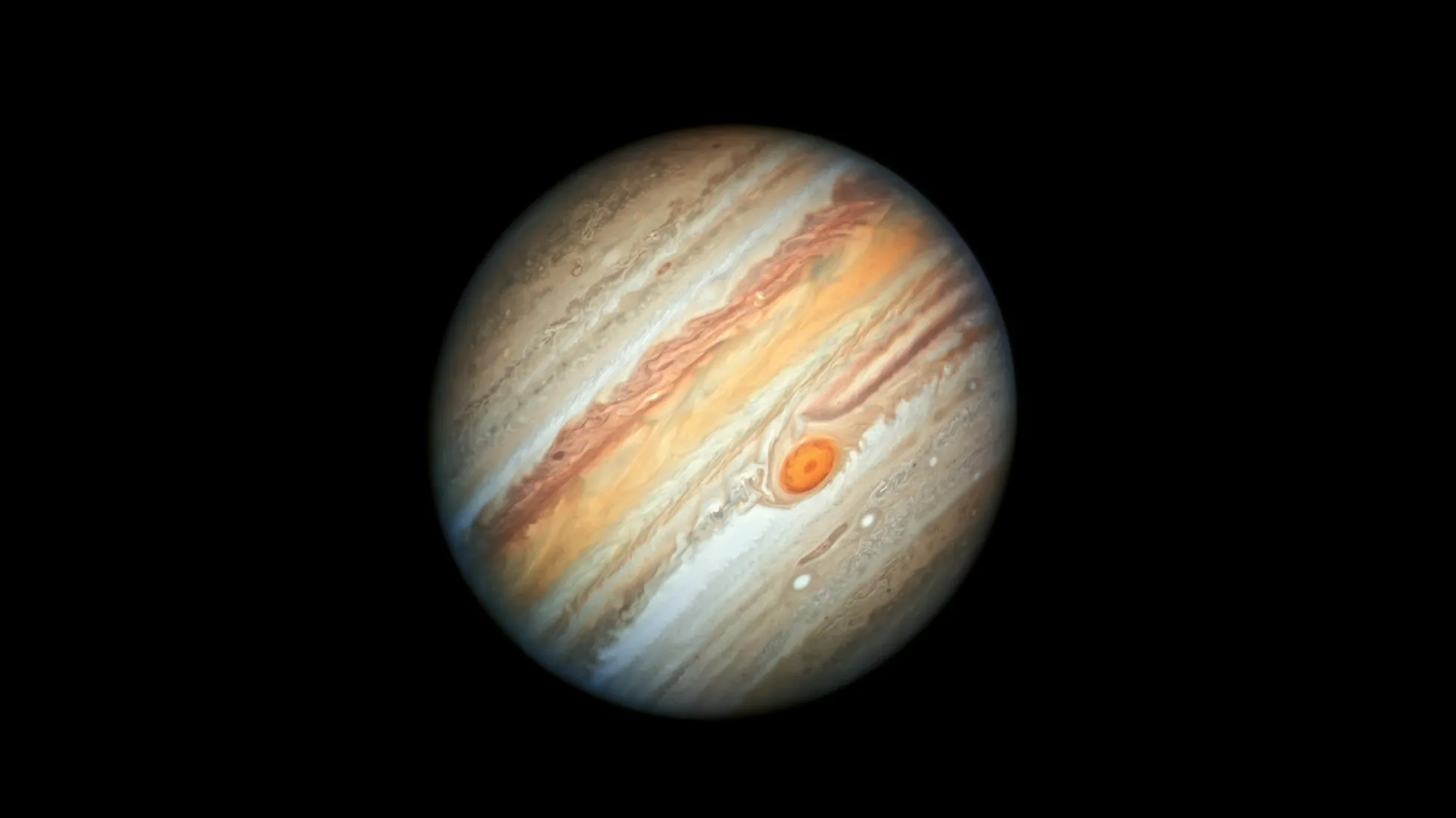
NASA’s Hubble Space Telescope has recently observed unprecedented behavior in Jupiter’s Great Red Spot (GRS), a massive storm system that has raged for centuries. Spanning a size large enough to engulf Earth, the Great Red Spot has drawn attention for its dynamic nature, but never before have scientists documented the storm exhibiting this “jiggling” effect. The oscillations in its size and fluctuations in speed are unlike any changes previously recorded, leaving astronomers both puzzled and intrigued. As the Hubble Telescope captured these unusual shifts, questions have arisen about the potential causes behind this newfound instability.
The Great Red Spot’s surprising movement comes as a major revelation in planetary science. Despite its gradual shrinking over the past decade, recent data reveal unpredictable expansions and contractions that diverge from its historical patterns. A team of astronomers, led by Amy Simon from NASA’s Goddard Space Flight Center, published these findings in The Planetary Science Journal, marking a groundbreaking moment for those studying Jupiter’s atmospheric dynamics. Simon expressed the team’s amazement, noting that while scientists have previously observed slight changes in the storm’s positioning, this ongoing “jiggle” is a completely unexpected development.
In addition to size oscillations, the Great Red Spot is now varying in speed—a feature newly documented through Hubble’s advanced imaging capabilities. According to the team’s analysis, the storm’s changes in velocity could point to fluctuations in Jupiter’s atmospheric conditions, though the exact mechanisms remain unclear. By closely examining the storm’s behavior through the telescope, researchers hope to uncover insights into the atmospheric dynamics at play, which may be driven by factors beyond Jupiter’s traditionally observed forces.
With these findings, astronomers are now exploring theories that could explain this puzzling transformation. One possibility under consideration is that internal atmospheric forces may be causing a disturbance in the storm’s structure. This unanticipated phenomenon highlights the complexity of planetary weather systems and reminds scientists of the vast unknowns within our solar system. As the study continues, further observations may provide clues to help explain the Great Red Spot’s new and mysterious behavior, potentially advancing our understanding of Jupiter’s volatile atmosphere.