Yazılar

Microsoft Unveils AI-Powered Playable Quake II Demo for Gamers

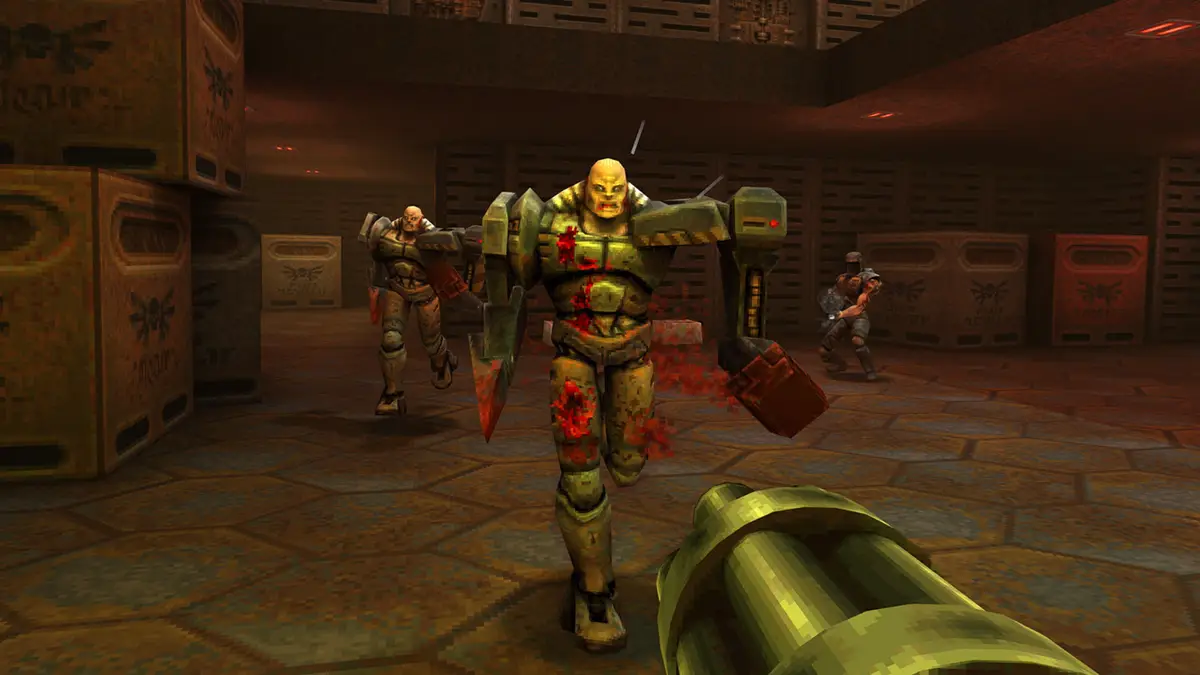
Microsoft introduced an innovative AI-generated playable demo of Quake II through its Copilot Labs platform. This interactive real-time gameplay experience showcases the potential of artificial intelligence in video game development. The tech giant used its newly released Muse AI models in combination with a cutting-edge approach called World and Human Action MaskGIT Model (WHAMM) to create the demo. This new method allows for dynamic world generation within the game, offering an experience that adapts in real-time to player actions. While this demo is currently available as a research preview to the public, Microsoft has outlined several limitations to the AI-generated gameplay, providing users with an understanding of its current boundaries.

In a detailed blog post, Microsoft’s researchers elaborated on how they harnessed the power of AI to build this playable demo. The integration of AI into 2D and 3D game generation has become an exciting frontier for game developers and researchers alike. The challenge lies in training AI models to generate real-time, interactive environments that can also adapt to the mechanics of a human player. This experiment is more than just a game demo—it’s part of a larger effort to test AI’s capabilities in simulating real-world tasks, such as controlling robots and other physical systems, by leveraging its ability to respond to user inputs in a digital environment.

Quake II, the iconic 1997 first-person shooter developed by id Software and published by Microsoft-owned Activision, serves as the perfect testing ground for this AI-driven experiment. The game, known for its fast-paced action and intricate level design, incorporates a variety of mechanics including shooting, jumping, crouching, and environmental destruction, which all needed to be accurately replicated by the AI. The demo available through Copilot Labs allows users to experience one level of Quake II for about two minutes, offering a glimpse into how AI can mimic complex gameplay mechanics.

For players, this demo provides an exciting opportunity to experience Quake II in a way never seen before, using either a controller or keyboard to navigate through the AI-generated world. While the demo is still in its early stages, the potential applications for AI in game development are vast. By demonstrating its ability to create interactive, responsive game environments, Microsoft is pushing the boundaries of both gaming and artificial intelligence, offering a sneak peek into the future of gaming technology.

Asus Hints at Upcoming ROG Ally Model, Potentially a Portable Xbox Handheld

Asus has given gamers a glimpse of its upcoming next-gen ROG Ally handheld gaming console, hinting at several exciting hardware upgrades ahead of the Nintendo Switch 2’s showcase. Initially introduced in 2023, the ROG Ally received a mid-cycle refresh last year, but the company is already looking forward to the next iteration. In a recent teaser video shared on social media, Asus showcased what could be a significant step forward in handheld gaming, with features like “marathon stamina,” “more capacity,” “faster speeds,” and a “fresh look.” These cryptic terms suggest that the next-gen ROG Ally will come with substantial performance improvements to enhance the overall gaming experience.

The teaser, posted on X (formerly Twitter), features Asus’ mascot, Omni, sitting at a machine displaying various performance upgrades. The video ends with a silhouette of the new handheld, its display showing Omni’s face. However, Asus has been tight-lipped about the specific details of the upcoming device, including the release date and hardware specifications. The mysterious nature of the teaser has sparked intrigue, leaving fans eagerly awaiting more information on what promises to be a powerful gaming device. Interestingly, the official Xbox account responded to the post with a meme, further fueling speculation about a possible collaboration between Asus and Xbox.

According to earlier reports, Asus is working on a new handheld gaming console that could carry the Xbox brand, codenamed “Project Kennan.” This device is said to combine the capabilities of Windows and Xbox, creating a hybrid experience that blends the best of both platforms. The handheld will likely run on Windows, with a new user interface (UI) that draws inspiration from the Xbox console’s design, offering a familiar environment for Xbox fans. This move could mark a significant step in the evolution of portable gaming, especially for those who enjoy the flexibility of accessing both Xbox and Windows games on the go.

Asus’ foray into the handheld gaming market with a potential Xbox-branded device raises interesting questions about the future of portable gaming. If the partnership with Xbox materializes, the new device could bring a seamless and powerful gaming experience to handhelds, challenging the dominance of the Nintendo Switch in this space. With both hardware improvements and a new user interface, Asus appears poised to offer a device that not only delivers in performance but also redefines the way we interact with handheld gaming consoles. While we await further details, the anticipation surrounding Asus’ next-gen ROG Ally is already building, setting the stage for a potential game-changer in portable gaming.

Microsoft to Extend Snapdragon-Exclusive AI Features to Intel, AMD Copilot+ PCs

Microsoft Expands AI Features to Intel and AMD Copilot+ PCs

Microsoft has announced an expansion of its exclusive AI features to Intel and AMD-powered Copilot+ PCs. Initially, these advanced AI tools were only available to users with Snapdragon X series chipsets. However, as of this week, the tech giant is rolling out a range of powerful AI functionalities in Windows 11, including Live Captions, Cocreator, Restyle Image, and Image Creator, to select Intel and AMD chipsets. Additionally, Voice Access capabilities are being updated for Copilot+ PCs running on Snapdragon X series chipsets, enhancing the accessibility of these devices.

In a blog post, Microsoft’s Corporate Vice President of Windows Experiences, Navjot Virk, confirmed the integration of these AI features into devices powered by AMD Ryzen AI 300 series and Intel Core Ultra 200V chipsets. These tools, which were previously exclusive to Snapdragon chipsets, will now be accessible to a wider audience with the March 2025 Windows non-security preview update. The update is being rolled out gradually via Microsoft’s controlled feature rollout (CFR) throughout the month.

Among the most anticipated features are Live Captions, Cocreator, Restyle Image, and Image Creator. Live Captions provides real-time translations for audio and video content, making it an invaluable tool for virtual meetings, podcasts, and video playback. Cocreator, available within the Paint app, enables users to transform simple sketches into sophisticated artwork, with adjustable levels of creativity. Restyle Image, available in the Photos app, allows users to turn their photos into various artistic styles, such as oil paintings or modern art, providing a new way to creatively interact with their images. Meanwhile, Image Creator generates artwork and illustrations based on user-input text prompts, giving users the ability to bring their ideas to life through AI.

With the integration of these features across both Intel and AMD-powered Copilot+ PCs, Microsoft is not only broadening the scope of its AI tools but also ensuring that these capabilities are more widely available, thus offering an enhanced user experience for a larger pool of customers. This move further solidifies Microsoft’s commitment to bringing cutting-edge AI innovations to a broader range of devices.