Yazılar

Research Reveals Moon’s Age to Be 100 Million Years Older Than Previously Estimated

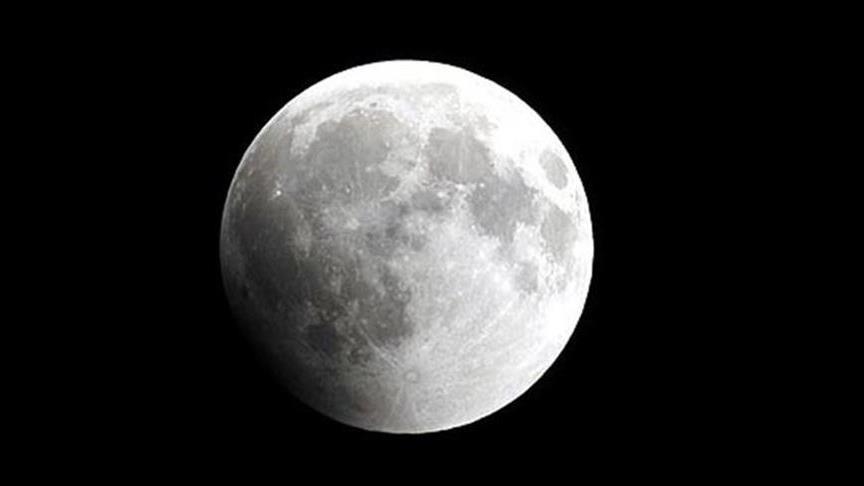
A groundbreaking study published in Nature challenges previous estimates of the Moon’s age, suggesting it could be over 100 million years older than previously thought. Earlier analyses of lunar rocks collected during the Apollo missions indicated the Moon formed around 4.35 billion years ago. However, the new research proposes that the lunar surface underwent a “remelting” process, resetting the apparent age of its rocks. This aligns with simulations of early planetary formation, which suggest the Moon likely formed within the first 200 million years of the solar system’s creation, around 4.5 billion years ago.

The Remelting Hypothesis

Francis Nimmo, a planetary scientist at the University of California Santa Cruz, explained that tidal forces exerted by Earth on the Moon during its early history could have caused intense heating and surface upheaval. This remelting process, akin to volcanic activity observed on Jupiter’s moon Io, may have erased the Moon’s earliest geological features, including impact basins, and reshaped its surface. The hypothesis provides a compelling explanation for why lunar rocks appear younger than the Moon’s true age, offering new insights into the Moon’s dynamic early history.

Evidence from Lunar Zircon Minerals

Rare zircon minerals found in lunar samples support the theory of an older Moon, dating its formation to around 4.5 billion years ago. This revised timeline is consistent with dynamic models of the solar system, which suggest most massive celestial bodies formed by 4.4 billion years ago. Despite this evidence, previous studies based on Apollo-era rock samples suggested the Moon’s age was about 4.35 billion years, leading to ongoing debate among scientists.

Implications for Planetary Science

This revised understanding of the Moon’s age reshapes our knowledge of early solar system dynamics and planetary formation. The study suggests that massive collisions, such as the one believed to have formed the Moon, occurred earlier than previously assumed. It also underscores the importance of continued lunar exploration and sample analysis. By unraveling the Moon’s true age, scientists gain critical insights into Earth’s own formative years and the broader processes that shaped our solar system.
Moon Rocks from the Far Side Reveal Evidence of Ancient Volcanic Activity

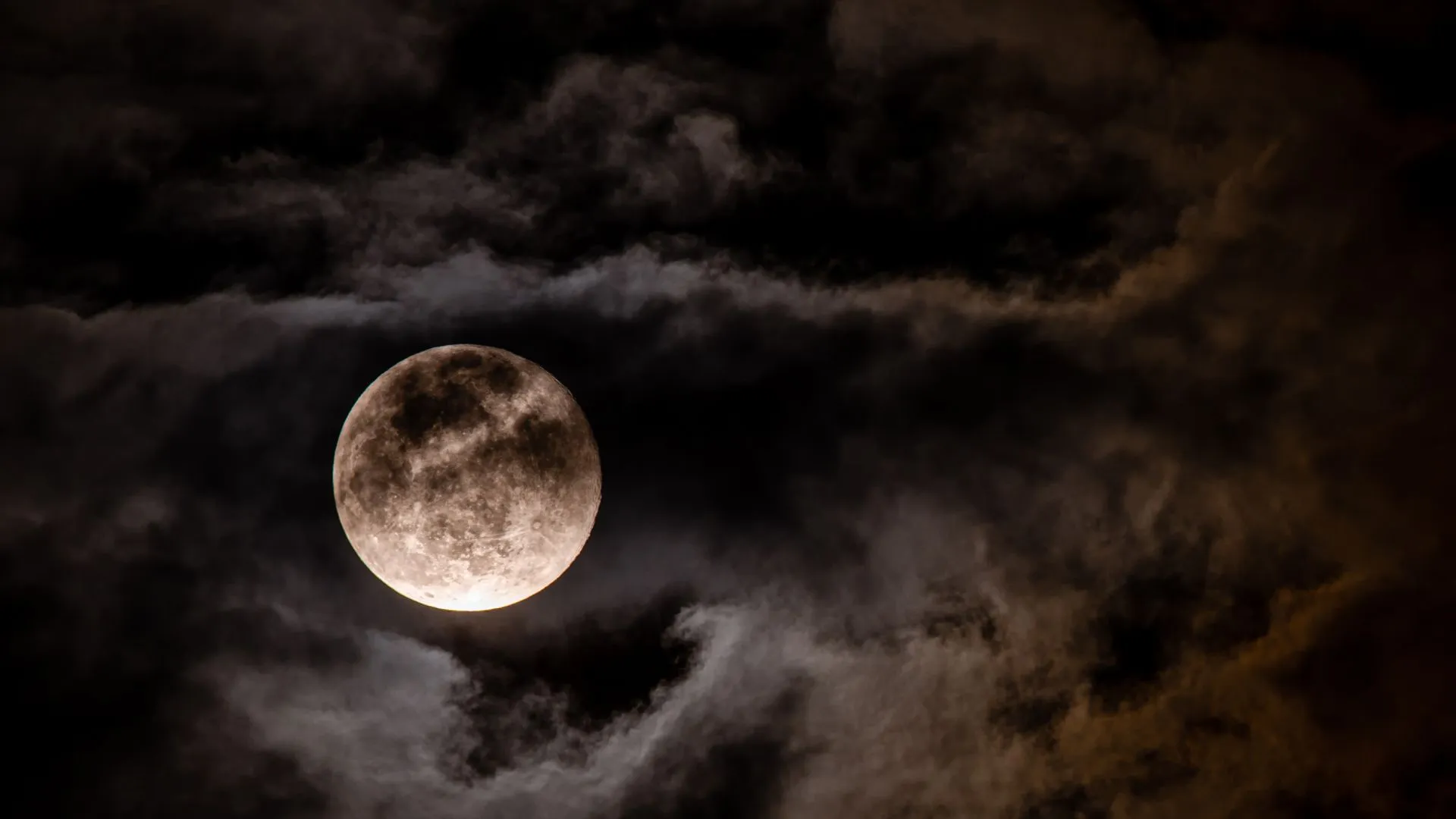
In a groundbreaking discovery, researchers have unveiled new insights into the Moon’s far side by analyzing samples collected during China’s Chang’e-6 mission. This mission marked the first time nearly 2kg of geological samples from the Moon’s far side were brought back to Earth, providing an unprecedented opportunity to study this remote region. The findings, published in two studies on November 15 in Science and Nature, offer valuable evidence of volcanic activity that persisted on the Moon for billions of years, painting a detailed picture of its ancient geological history.

Dr. Qiu-Li Li, a researcher at the Chinese Academy of Sciences, co-authored a study published in Nature that emphasizes the importance of these findings. The samples reveal clues about prolonged volcanic activity on the lunar far side, along with distinct sources within the Moon’s mantle. These discoveries are pivotal, as they challenge previous understandings of lunar geology, suggesting that volcanic processes on the Moon were much more active and widespread than previously thought. The Chang’e-6 mission, which is China’s second exploration of the far side following the Chang’e-4 mission in 2019, landed in the South Pole-Aitken Basin—an ancient lunar impact site dating back roughly four billion years.

The samples retrieved by the Chang’e-6 spacecraft included a variety of fine dust particles, ranging in size from just 1 micrometer to hundreds of micrometers. According to Dr. Yi-Gang Xu, a petrologist at the Chinese Academy of Sciences and co-author of a separate study published in Science, these particles provide a mix of materials from various geological periods. The dust reflects the history of the Moon’s surface, shaped by continuous micrometeorite bombardment and the effects of solar wind over time, which have helped scatter and deposit these particles across the lunar surface.

This research opens new doors to understanding the Moon’s geological processes and its history of volcanic activity, offering a glimpse into its dynamic past. The Chang’e-6 mission’s success in bringing back samples from such an unexplored area provides invaluable data that could change how scientists view the Moon’s evolution. With this new information, experts are now better equipped to unravel the mysteries of the Moon’s far side, offering fresh insights into the broader processes that shaped not only the Moon but also the other celestial bodies in our solar system.

Chandrayaan-4 Mission Receives Green Light from Government to Retrieve Lunar Samples

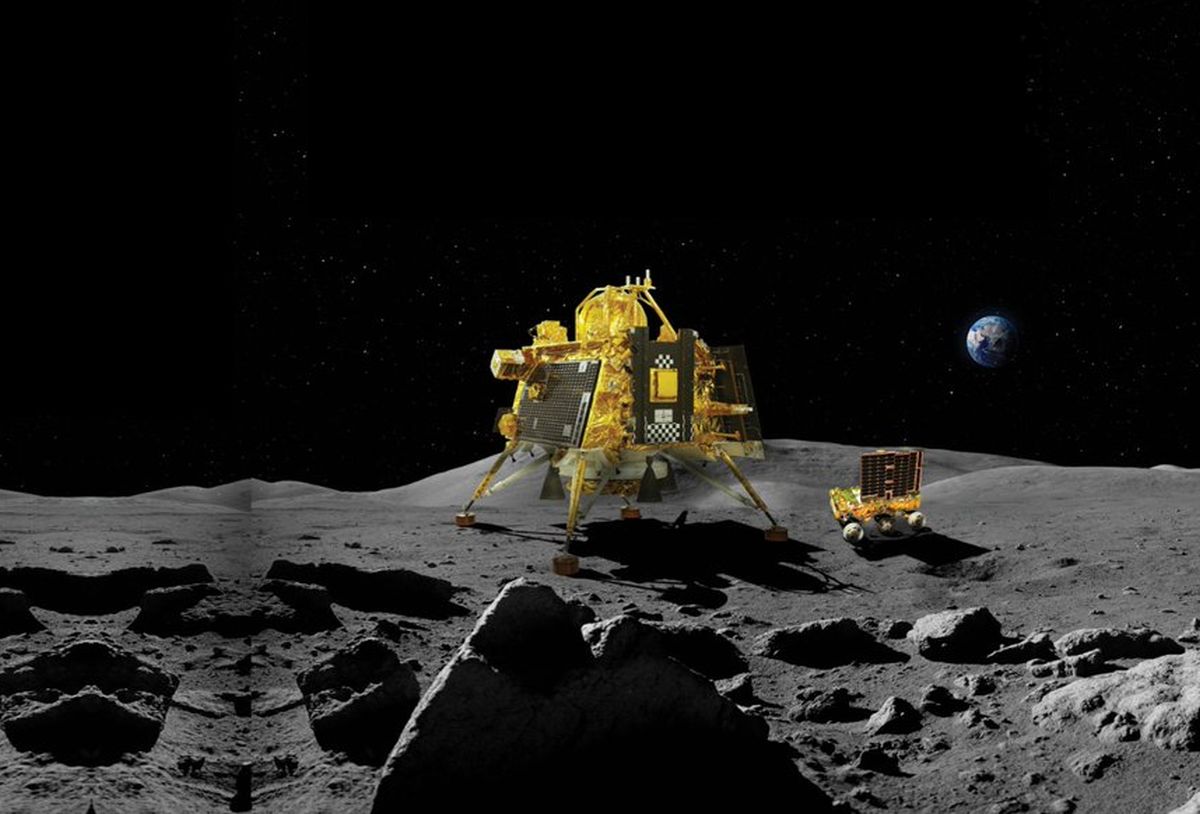
Chandrayaan-4 Set to Land on the Moon, Gather Samples, and Return to Earth, Advancing Future Exploration Plans Devamını Oku