Yazılar

Apple’s Bezel-Less Full-Screen iPhone Launch Pushed Beyond 2026

Apple’s Bezel-Less iPhone Reportedly Delayed Beyond 2026 Due to Development Challenges

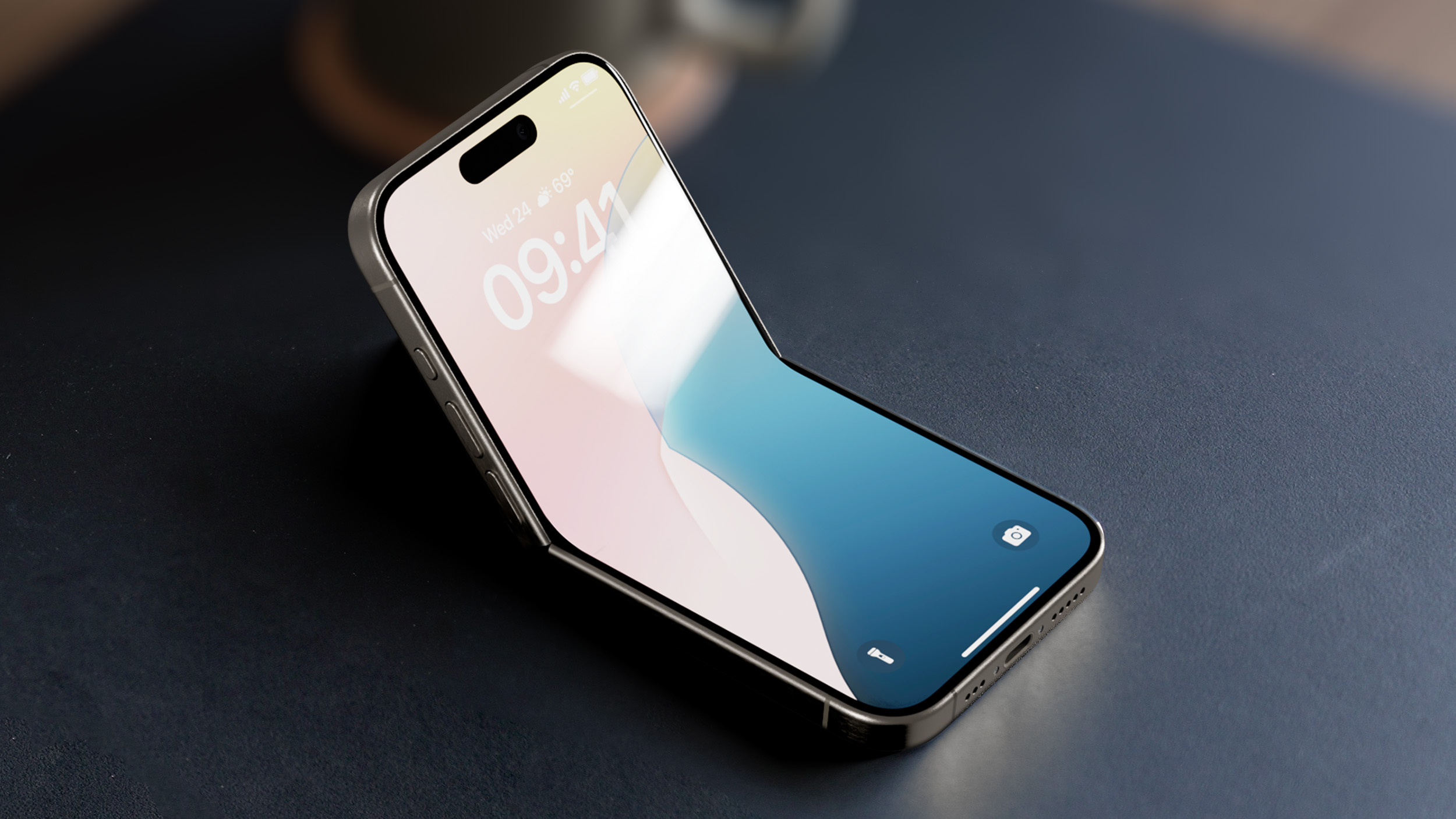
Apple is reportedly working on an innovative flagship iPhone with a completely bezel-less display, but the project is facing delays. Originally expected to launch in 2026, new reports from Korean industry sources suggest that development challenges have pushed back the timeline. While the latest iPhone 16 and iPhone 16 Pro models have already introduced slimmer bezels compared to their predecessors, achieving a truly bezel-free design presents significant technical hurdles.

According to The Elec, Apple has been collaborating with domestic panel manufacturers Samsung Display and LG Display to develop the necessary technology for a bezel-free OLED display. However, the progress has been slower than anticipated. Industry insiders suggest that the current state of thin film encapsulation (TFE) and optical clear adhesive (OCA) technology—key components required to eliminate bezels—remains insufficient for mass production.

Apple’s vision for a zero-bezel display includes maintaining its signature flat display and angular design while extending the screen to flow down the sides, similar to the Apple Watch. This requires precise manufacturing techniques to protect the OLED panels from moisture and oxygen while ensuring seamless bonding with a transparent adhesive layer. The slow development of OCA technology, in particular, has been cited as a major bottleneck in the process.

Despite these setbacks, Apple continues to push for advancements in display technology as it seeks to set a new standard in smartphone design. While the delay may frustrate enthusiasts hoping for a bezel-free iPhone sooner, the company appears focused on ensuring the technology is robust enough to meet its high-quality standards before release.

Samsung Display and HiDeep Investigating S Pen Technology That Requires No Digitizer or Battery, Report Claims

Since its debut with the original Galaxy Note in 2011, Samsung’s S Pen has become a key feature in its flagship devices, including the Galaxy S series and foldable models. Over the years, Samsung has continuously enhanced the S Pen experience, making it an integral part of their smartphone and tablet ecosystems. Now, the company is reportedly working on a new advancement in stylus technology, teaming up with South Korean touch chip company HiDeep to develop a version of the S Pen that eliminates the need for a digitizer or battery.

According to a report by the Korean publication The Elec, Samsung Display and HiDeep are collaborating on a new technology that allows a stylus to function without relying on a digitizer or a battery. The aim is to create a more efficient and cost-effective stylus technology that could be adopted by Chinese smartphone manufacturers. This development could significantly change how stylus technology is integrated into mobile devices, offering a new approach to user interaction.

Currently, Samsung’s Galaxy S Ultra models, Galaxy Z Fold smartphones, and Galaxy Tab tablets use a digitizer to recognize the input from the S Pen. This technology allows the stylus to function without a battery or the need for an electric field. In contrast, Apple’s Pencil uses a battery to power its functions and requires a specialized component in the device to detect the stylus’s contact. Samsung’s potential new technology would eliminate the need for such a complex setup, making the S Pen even more accessible and versatile.

If successful, this new S Pen technology could have significant implications for the broader smartphone market, particularly in terms of simplifying the integration of stylus input across different devices. It could also lead to more affordable and streamlined devices that still offer premium features like stylus support. As Samsung continues to innovate, this collaboration with HiDeep could pave the way for a new era of stylus technology that benefits both manufacturers and consumers.

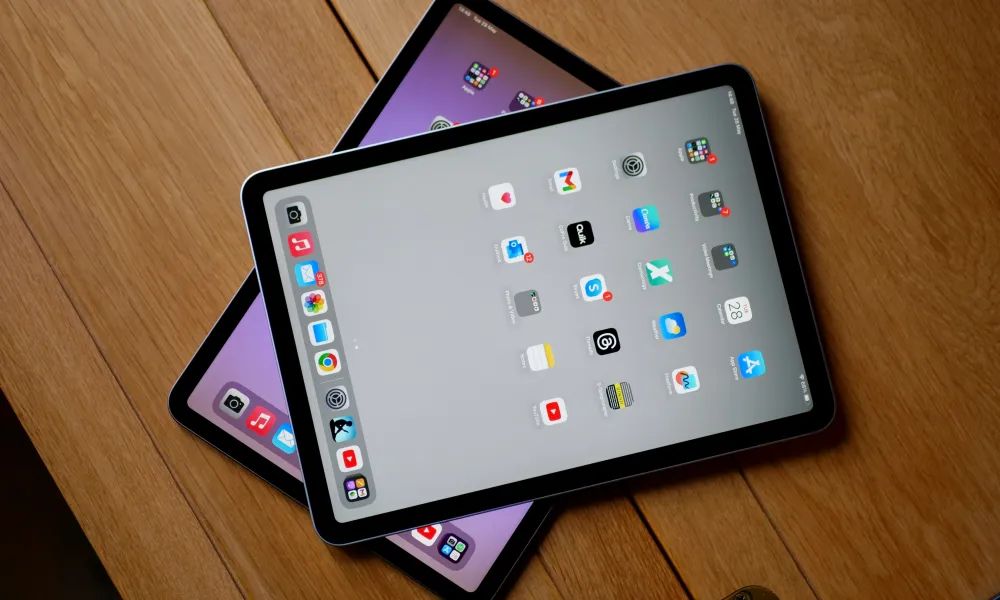
OLED iPad Air Expected to Launch by 2026

Apple to Source OLED Panels from Samsung Display for Upcoming iPad Air Devamını Oku