Yazılar

Samsung Galaxy S26 Lineup May Include Dedicated Exynos Connectivity Processor

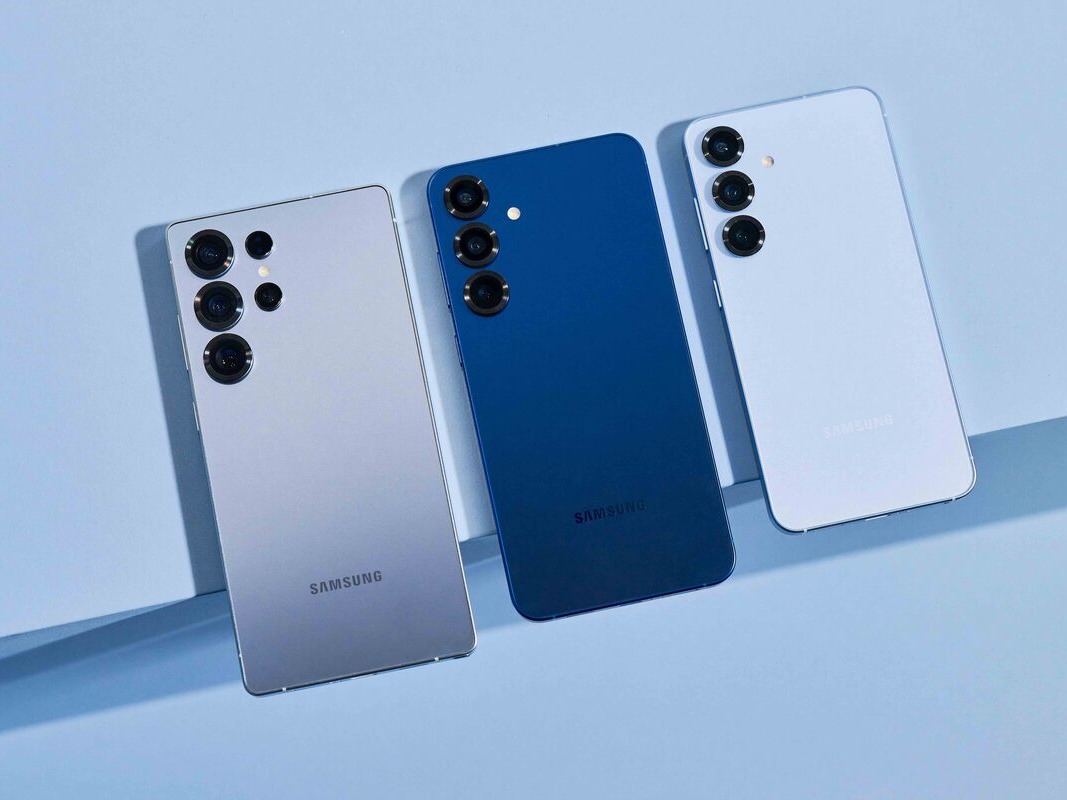
Samsung’s upcoming Galaxy S26 series is already generating buzz ahead of its expected launch next year. The lineup — which will reportedly include the Galaxy S26, Galaxy S26+, and Galaxy S26 Ultra — is set to feature the latest Exynos 2600 chipset in most global markets, while some regions may get variants powered by Qualcomm’s Snapdragon 8 Elite Gen 5. However, a recent certification has hinted at another important piece of hardware that could debut with the new flagships. A listing on the Bluetooth SIG website suggests Samsung might equip the S26 series with a brand-new dedicated connectivity chip, marking a first for the company’s Galaxy S lineup.

The newly listed chip, identified as the Exynos S6568, is designed to handle connectivity functions separately from the main processor. According to the certification details, it will support the latest Bluetooth 6.1 standard and advanced Wi-Fi capabilities. The description also notes that the chip is meant to work in tandem with a “compatible Exynos Application Processor,” which most likely refers to the upcoming Exynos 2600. This pairing could allow Samsung to offload certain communication tasks — such as Bluetooth, Wi-Fi, and possibly ultra-wideband (UWB) — to the new chip, improving both performance and efficiency.

samsung exynos s6568  Samsung Chipset

Beyond connectivity, the dedicated Exynos S6568 chip could also bring new privacy and security benefits. Samsung has been increasingly focused on hardware-based security solutions through its Knox platform, and integrating a separate communication chip could strengthen protections around wireless data transmission. With Bluetooth 6.1 promising faster pairing, improved range, and reduced interference, the S26 series might also deliver a smoother experience for connected devices like Galaxy Buds, watches, and smart home accessories.

Given Samsung’s typical launch cadence, the Galaxy S26 series is likely in the final stages of hardware development. The addition of the Exynos S6568 could represent Samsung’s next big step toward a modular chip architecture, where specialized processors handle dedicated tasks to optimize efficiency and security. If confirmed, the Galaxy S26 lineup could set a new benchmark for smartphone connectivity — blending cutting-edge performance with advanced, privacy-focused communication technology.

Samsung Developing Pro Camera Presets and Quick Share Integration for Upcoming One UI 8.5 Update

Samsung appears to be moving full speed ahead with its next major software milestone, One UI 8.5. Following the rollout of Android 16-based One UI 8 across its flagship Galaxy lineup and mid-range A and M series devices, the company is now preparing to introduce several new features designed to enhance user experience. Among the most anticipated additions is a powerful Pro camera preset system, which would let users save and reuse their preferred shooting configurations — a significant upgrade for photography enthusiasts.

According to findings from an APK teardown of a leaked One UI 8.5 build by Android Authority, Samsung is developing functionality that will allow users to save multiple Pro camera presets. These presets would include detailed settings such as ISO, shutter speed, white balance, focus type, and exposure levels. Once saved, users could easily switch between these presets without having to manually readjust each parameter before taking a shot — streamlining the entire process for those who frequently capture photos in varying environments.

In addition to simplifying camera customization, One UI 8.5 is also expected to integrate Samsung’s Quick Share app into this feature. This would allow users to share their personalized Pro camera presets with friends or colleagues using other Galaxy devices. The inclusion of Quick Share support could make it easier for professional photographers or content creators to collaborate, maintaining consistency in shooting styles and quality across devices.

While Samsung has yet to officially announce the update, One UI 8.5 is rumored to debut early next year, likely arriving first on the Galaxy S24 series before expanding to other models. If these camera enhancements materialize, they could mark a meaningful step toward closing the gap between smartphone photography and dedicated camera systems — offering Galaxy users even greater control and flexibility in their creative workflows.

China’s CXMT Plans $42 Billion Shanghai IPO to Fuel AI Chip Ambitions

ChangXin Memory Technologies (CXMT), China’s leading memory chipmaker, is preparing for a Shanghai initial public offering (IPO) as early as the first quarter of 2026, targeting a valuation of up to 300 billion yuan ($42.1 billion), according to sources familiar with the matter. The listing would mark one of China’s largest tech IPOs in years and a major step in Beijing’s drive for semiconductor self-sufficiency.

Founded in 2016 with state backing, CXMT is China’s main producer of dynamic random access memory (DRAM) chips — a market long dominated by Samsung, SK Hynix, and Micron Technology. The company aims to raise between 20 billion and 40 billion yuan, two sources said, while a third suggested about 30 billion yuan, with a prospectus possibly unveiled in November.

CXMT’s IPO plans come amid a surge in Chinese semiconductor stocks, with the CSI CN Semiconductor Index up nearly 49% this year. The firm has already begun pre-IPO “counselling” procedures with China International Capital Corporation and CSC Financial, both state-backed investment banks.

The proceeds will help finance CXMT’s aggressive push into high bandwidth memory (HBM) — an advanced form of DRAM critical for AI chips and data center processors such as those used in Nvidia’s GPUs. The company is building an HBM packaging plant in Shanghai, targeting initial production by late 2025 and mass output of HBM3 chips by 2026.

CXMT’s expansion is especially vital after U.S. trade restrictions cut off China’s access to advanced HBM chips last year. Analysts at TechInsights estimate the firm’s capital expenditure at $6–7 billion across 2023–2024, with a further 5% increase in 2025. The company’s initial HBM wafer capacity will reach about 30,000 per month, roughly one-fifth that of SK Hynix.

If successful, the IPO could attract heavy domestic investor demand, seen as both a financial opportunity and a patriotic play in China’s race to achieve technological independence.