Yazılar

TDK Prepares Slim Batteries Tailored for AI-Powered iPhones

TDK is gearing up to launch a new generation of batteries designed to support smartphones handling AI-related tasks, just as major client Apple prepares to release a slimmer iPhone model. The Tokyo-based company plans to begin shipping its third generation of silicon-anode batteries by the end of June, ahead of its initially planned September timeline. This early shipment could allow smartphone manufacturers to incorporate these advanced batteries into thinner devices set to launch later this year.

The company’s CEO, Noboru Saito, expressed optimism about the progress and timing, suggesting that some handset makers might adopt the new battery technology sooner than expected. TDK’s innovation focuses on replacing the conventional graphite anode with silicon, which allows the batteries to store 15% more energy within the same physical space. This advancement supports the trend of creating slimmer devices without compromising battery life, a critical factor as AI features increasingly demand more power.

Recent smartphone releases reflect this shift toward thinner designs enabled by better battery technology. For instance, Samsung unveiled its Galaxy S25 Edge, which is notably slimmer than its predecessor, the S25 Ultra, while offering enhanced AI-driven camera features. Similarly, Apple is anticipated to introduce the iPhone 17 Air, showcasing a fresh industrial design that emphasizes reduced thickness and may set the stage for future slim devices from the company.

Both Apple and Samsung are significant customers for TDK, accounting for roughly 10% each of the company’s total revenue. While TDK has not revealed the pricing or specific clients for the new batteries, CEO Saito mentioned that the company is willing to supply this technology to any customer who recognizes its benefits. This move could further accelerate the adoption of silicon-anode batteries across the smartphone industry, particularly as AI capabilities become more integral to mobile devices.

Samsung Galaxy S25 Series Expected to Receive Galaxy S25 Edge’s LOG Video Recording Feature for Front Camera

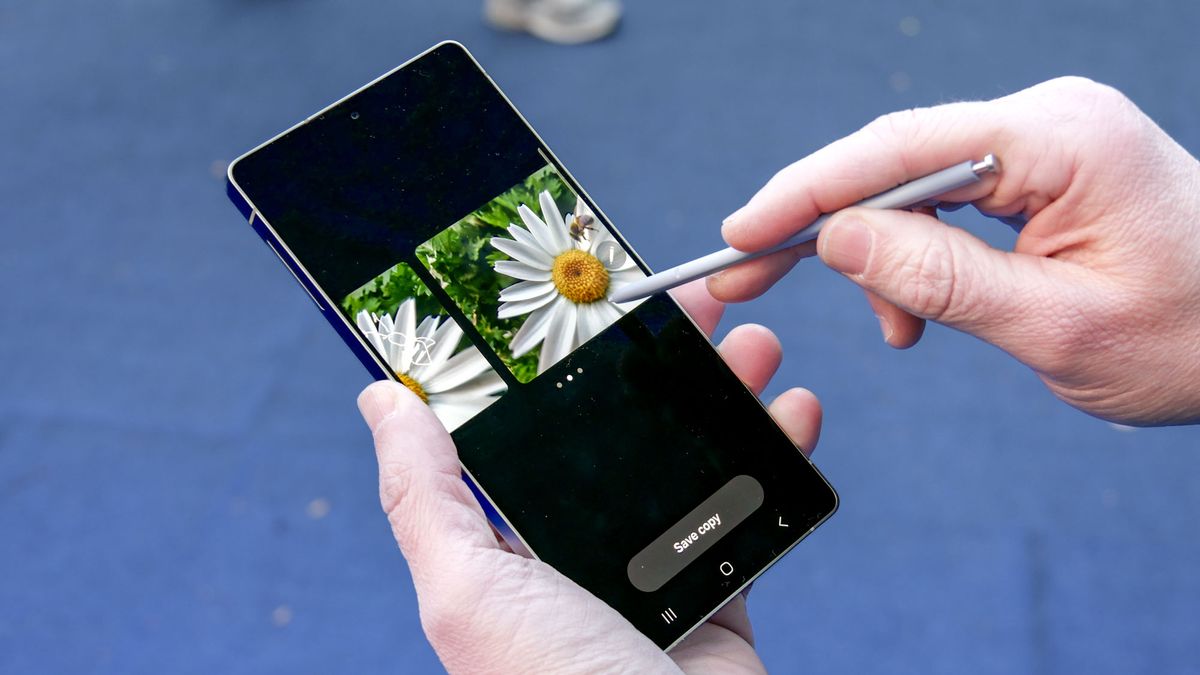
Samsung is reportedly planning to extend a new camera feature, first introduced with the Galaxy S25 Edge, to the entire Galaxy S25 flagship lineup. This feature allows the front-facing camera to record videos in LOG format, a technique that captures a wider dynamic range by preserving details in both very bright and very dark areas. The addition of LOG video recording for the selfie camera would bring enhanced video quality and greater flexibility to content creators using the Galaxy S25 series.

According to a leak shared by tipster IposDev on X (formerly Twitter), Samsung may soon add a LOG recording option in the front camera’s user interface across all Galaxy S25 models. Screenshots from the leak show the LOG toggle appearing alongside the existing HDR option in the camera app. The feature is expected to support Ultra HD (4K) video at 60 frames per second, with a histogram overlay to help users monitor luminance and tone distribution in real time. LOG recording could be accessible in both standard Video and Pro Video shooting modes.

The Galaxy S25 Edge was the first model in the lineup to offer LOG video recording on its front camera, making it a unique selling point for that device. While the rear cameras on other Galaxy S25 variants—including the flagship Galaxy S25 Ultra—already support LOG video capture, this functionality has so far been limited to the back-facing cameras. Expanding it to the front camera would level the playing field and appeal to users who prioritize high-quality selfie videos.

Samsung’s LOG mode uses a 10-bit HEVC codec, which provides improved compatibility with editing software and efficient storage without compromising video quality. By bringing this advanced feature to the entire Galaxy S25 series’ front cameras, Samsung is clearly targeting content creators and vloggers who demand professional-grade video capabilities from their smartphones. This update could further enhance the Galaxy S25 series’ reputation as a versatile device for photography and videography enthusiasts.

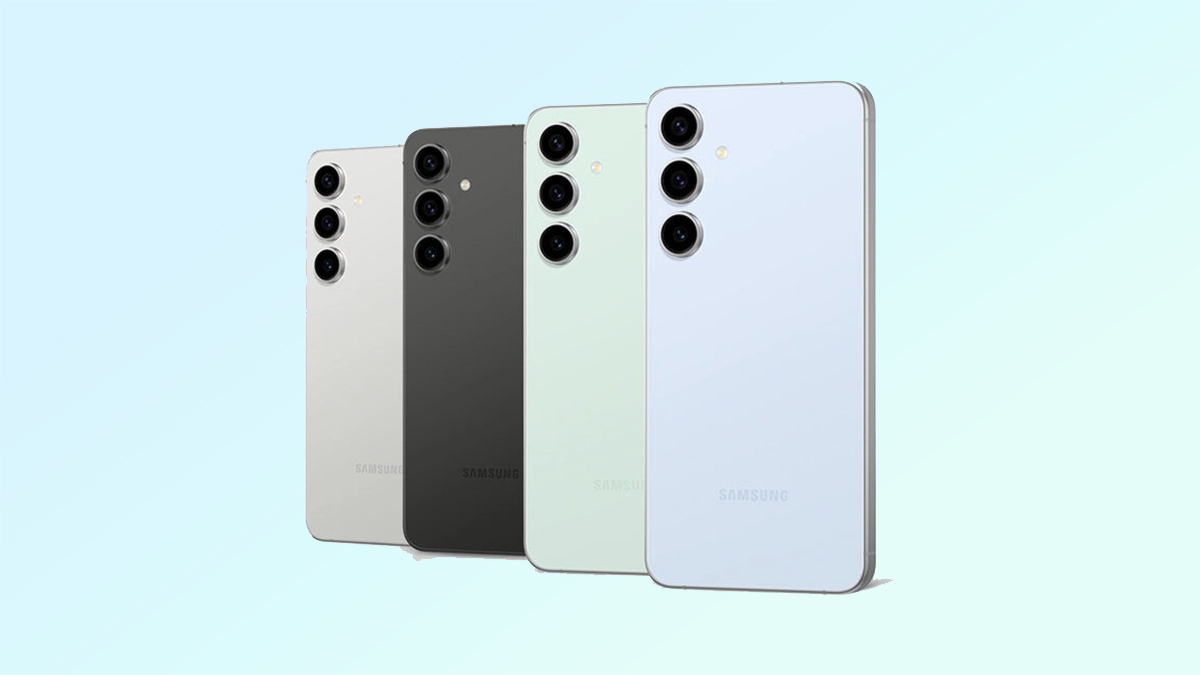
Samsung Galaxy S25 FE Spotted on Geekbench, US Variant May Sport Exynos 2400 Processor

The Samsung Galaxy S25 FE is anticipated to launch later this year as the follow-up to the Galaxy S24 FE, which is currently available in India and other global markets. The Galaxy S24 FE was powered by Samsung’s in-house Exynos 2400e chipset, a slightly toned-down variant of the more powerful Exynos 2400 found in the premium Galaxy S24 flagship models last year. Unlike the Galaxy S24 series, which featured different processors depending on the region, the Galaxy S25 lineup moved to a unified platform with all models equipped with the custom Snapdragon 8 Elite for Galaxy SoC. However, recent leaks have sparked fresh speculation about the processor that will power the Galaxy S25 FE.

A recent Geekbench listing, spotted by tipster Abhishek Yadav, has added to the ongoing rumors about the Galaxy S25 FE’s chipset. The listing reveals details such as the device’s model name, benchmark scores, RAM, and software version. Interestingly, it contradicts earlier reports that suggested the device might feature a MediaTek Dimensity 9400 processor. Instead, the Geekbench data points to an Exynos 2400 chipset powering the phone, raising questions about Samsung’s strategy for the FE model this year.

While MediaTek’s Dimensity 9400 chip is considered a strong contender thanks to its superior performance at 3.62GHz and efficient 3nm manufacturing process, the Exynos 2400 remains a capable choice, having powered the Galaxy S24 and S24 Plus in India last year. The initial speculation around the Galaxy S25 FE indicated that Samsung might continue using the same chipset as the Galaxy S24 FE or even opt for MediaTek’s processors if there were production issues with Exynos chips. The Geekbench listing, however, confirms the presence of the Exynos 2400 in at least one variant of the Galaxy S25 FE.

The model number revealed in the benchmark, which includes a ‘U’ suffix, suggests that the US version of the Galaxy S25 FE could be the one powered by the Exynos 2400, similar to Samsung’s previous approach with different chips for different regions. Meanwhile, other markets may receive a version equipped with a MediaTek processor, although this remains unconfirmed. Overall, Samsung’s chipset strategy for the Galaxy S25 FE continues to be a topic of speculation as we await official details closer to the phone’s launch.