Yazılar

NASA Announces New Launch Date for SPHEREx and PUNCH Missions

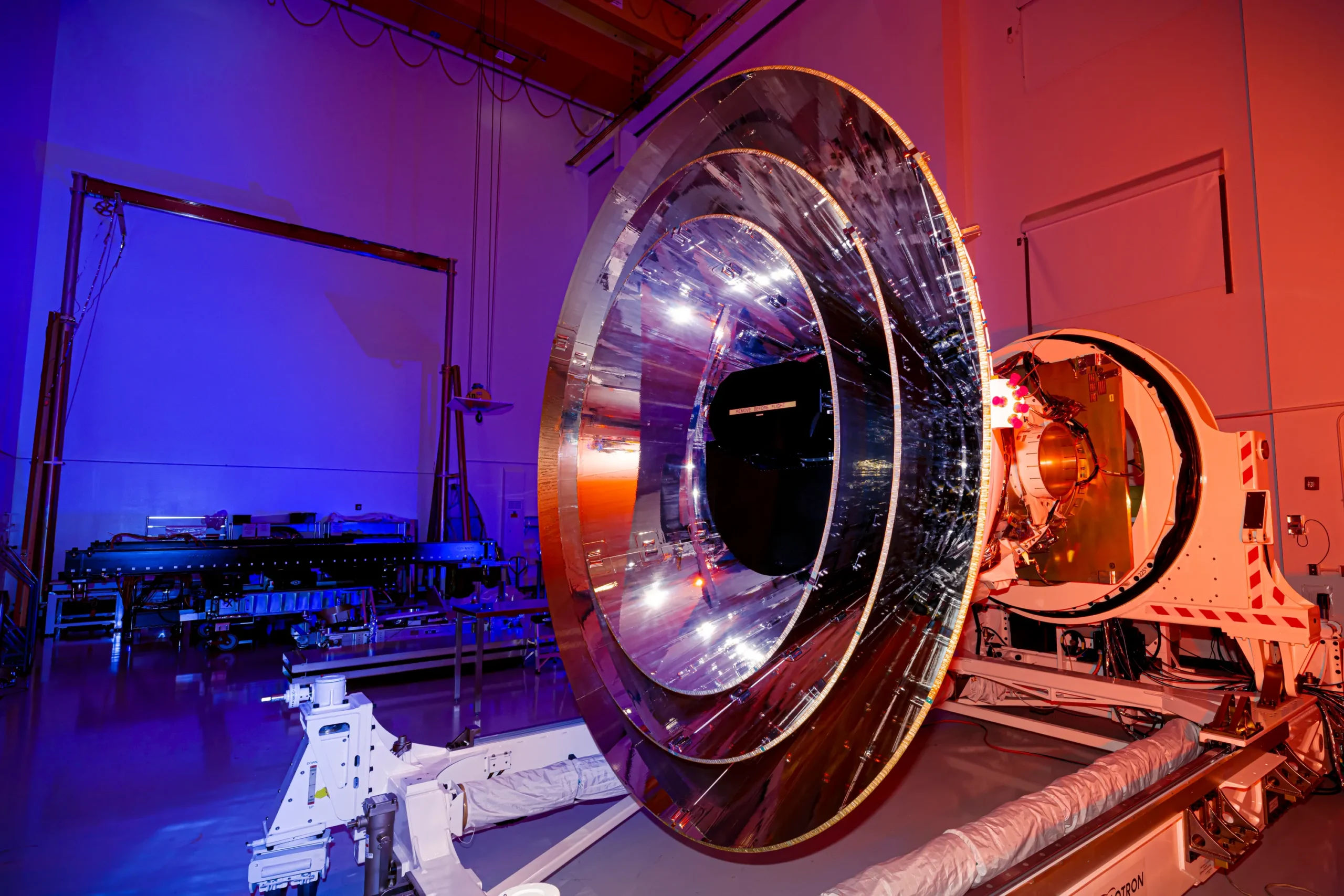
NASA has announced another delay for its SPHEREx and PUNCH missions, which are now scheduled for launch on March 7. Initially set for February 27, the launch has encountered several setbacks, with the most recent delay moving the date from March 4. The two missions will launch aboard a SpaceX Falcon 9 rocket from Vandenberg Space Force Base in California, with liftoff now expected at 10:09 p.m. EST from Launch Complex 4E. The delay is primarily due to scheduling constraints at the launch site, particularly involving the availability of a launch window on the Western Range.

The reasons behind the earlier delays were tied to extensive checks and processing of the Falcon 9 rocket, ensuring all systems are functioning correctly for the missions. The latest postponement, however, stems from the complexities of coordinating launch windows at Vandenberg, a crucial aspect of timing for space missions. Despite these delays, both SPHEREx and PUNCH are poised to contribute valuable data to their respective scientific fields.

SPHEREx, which stands for the Spectro-Photometer for the History of the Universe, Epoch of Reionization, and Ices Explorer, is an infrared telescope with a mission to survey the sky and gather data on the early universe. Unlike the James Webb Space Telescope, which focuses on deep-space observations, SPHEREx will offer a broader, all-sky view in infrared wavelengths. This mission aims to explore key cosmic phenomena such as the formation of galaxies, stars, and planetary systems.

The PUNCH mission, or the Polarimeter to Unify the Corona and Heliosphere, will study solar activity through four small satellites. These satellites will focus on phenomena like coronal mass ejections (CMEs), which can cause disturbances on Earth, including radio blackouts and potential threats to satellite communications. By improving predictions of space weather, PUNCH aims to enhance our understanding of the Sun’s influence on the solar system and help mitigate the impact of space weather events on modern technology.

Blue Origin’s New Glenn Rocket Scheduled for Maiden Launch in January

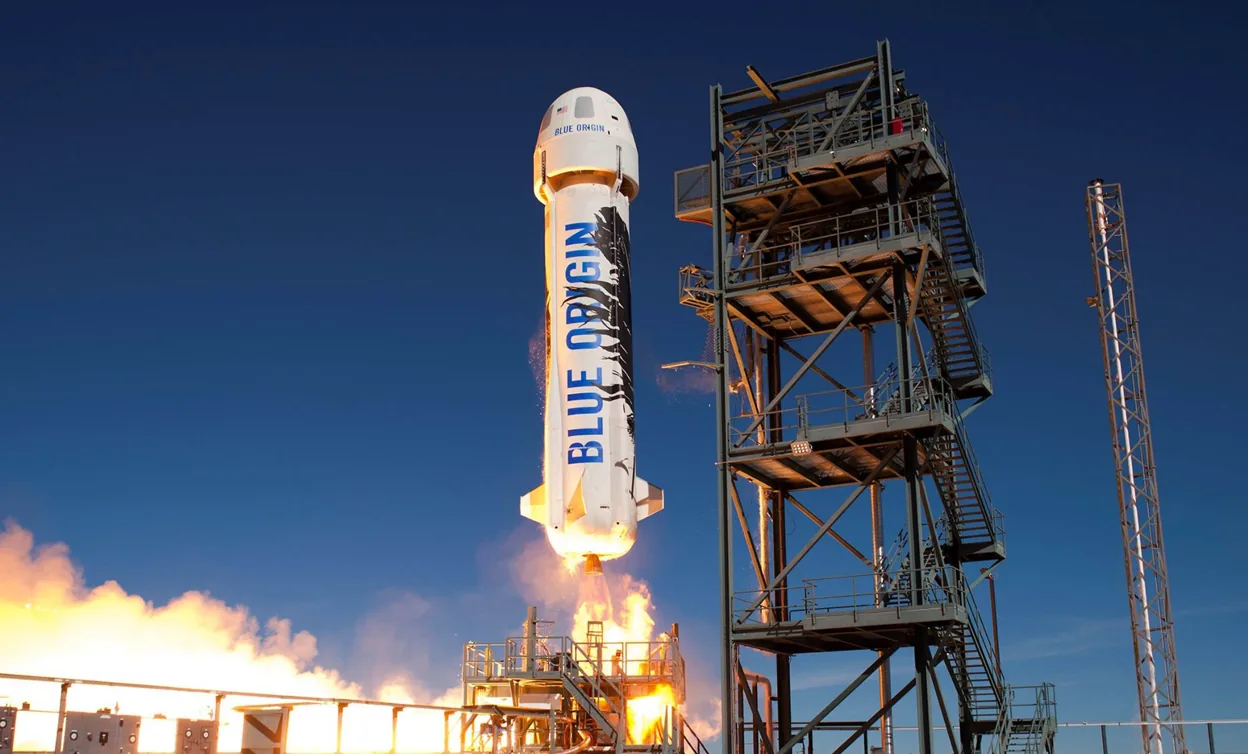
Blue Origin is preparing for the first-ever launch of its heavy-lift New Glenn rocket, marking a major milestone for the company in the competitive space exploration sector. The Federal Aviation Administration (FAA) has confirmed that the launch window will open on Monday, January 6, from Cape Canaveral Space Force Station in Florida. The rocket’s lift-off is expected to occur between 1 a.m. and 4:45 a.m. EST, with additional opportunities available every day through January 12. This launch represents the beginning of Blue Origin’s ambition to establish a strong foothold in the space industry, directly competing with established players like SpaceX.

The inaugural mission will not carry a commercial payload. Instead, it will feature the Blue Ring Pathfinder, a simulator designed to test the New Glenn rocket’s payload systems. This mission is focused on verifying key technologies and capabilities, such as the rocket’s ability to deliver payloads to orbit, as well as the innovative technology that allows the rocket’s first stage to land on a sea platform after launch. Reusable technology is one of Blue Origin’s core goals, with the New Glenn rocket booster designed for up to 25 flights, a feature that positions it as a direct competitor to SpaceX’s Falcon and Starship rockets, which also focus on reusability.

One of the standout features of the New Glenn rocket is its 23-foot payload fairing, which is larger than that of many of its competitors. This capability allows the rocket to accommodate a wider range of payloads, giving it flexibility in handling various mission profiles. The first test flight will serve as a critical opportunity to evaluate crucial systems such as communications, tracking, and telemetry, all of which are vital for the success of future missions. These assessments are important steps toward refining the rocket’s design and preparing for commercial launches.

The New Glenn rocket’s development is part of Blue Origin’s long-term strategy to revolutionize spaceflight and make space more accessible. By focusing on reusability and flexibility, the company aims to bring down the costs of space missions and expand its commercial and scientific payload delivery capabilities. As the rocket enters its first phase of testing, Blue Origin is setting the stage for more ambitious projects, with the goal of further establishing itself as a leading player in the space industry.

Blue Origin Sets for NS-28 Space Tourism Launch

Blue Origin, the aerospace company founded by Jeff Bezos, is set to launch its ninth crewed mission, NS-28, on Friday, November 22, 2024. The suborbital flight will lift off from the company’s West Texas launch site during a window that opens at 10:30 a.m. EST. The launch will be streamed live, with coverage beginning 30 minutes before takeoff, available through Blue Origin’s official channels and on Space.com, offering audiences worldwide a chance to watch the historic flight in real-time.

The NS-28 mission will carry six passengers on its journey into space, including a mix of experienced space tourists and newcomers. Among the crew is Emily Calandrelli, an MIT-trained engineer, science communicator, and author known for her work in popularizing STEM. Joining her are Marc and Sharon Hagle, a married couple with spaceflight experience from Blue Origin’s NS-20 mission in 2022. The rest of the crew includes Austin Litteral, a winner of a spaceflight giveaway by the platform Whatnot, entrepreneur James (J.D.) Russell, and businessman Henry (Hank) Wolfond.

Sharon Hagle, alongside her nonprofit organization SpaceKids Global, has also developed an educational initiative surrounding the mission. The “SpaceKids Global Press Squad” will consist of eight children aged 8 to 12 who will cover the NS-28 flight from Cape Canaveral, Florida. These young reporters will have the opportunity to tour Blue Origin’s facilities and learn more about space exploration, providing them with a hands-on educational experience.

As Blue Origin continues to advance its space tourism efforts, the NS-28 mission marks another milestone in the company’s pursuit of making space accessible to a broader range of people. With a diverse crew and a focus on education and outreach, the upcoming flight promises to be a significant step in the evolution of commercial space travel.