Yazılar

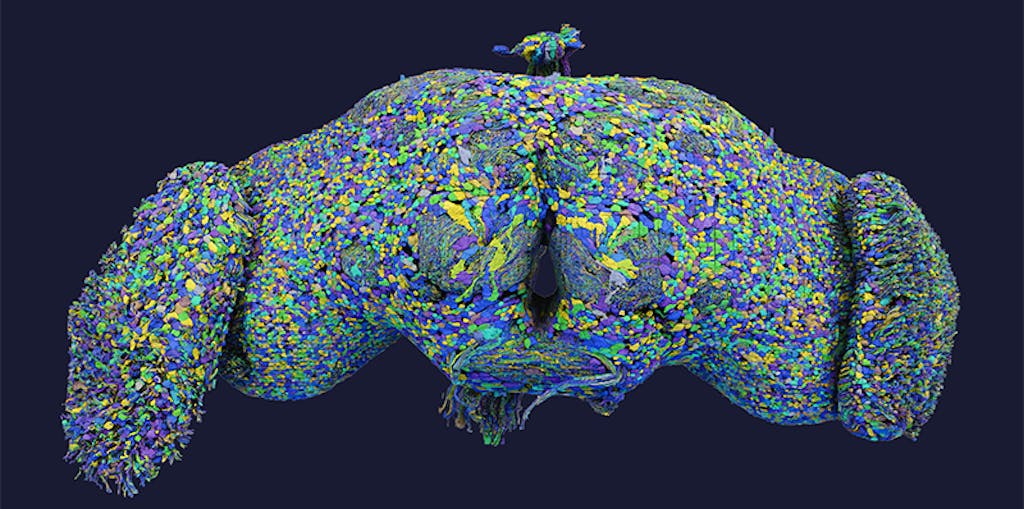
Groundbreaking Brain Map Unveils 140,000 Neurons and New Nerve Cell Types in Fruit Fly Brain

Researchers Unveil Most Comprehensive Brain Map of Fruit Fly, Identifying 140,000 Neurons and New Nerve Cell Types

Scientists have achieved a remarkable milestone in neuroscience by creating the most detailed map of a fruit fly’s brain ever produced. This intricate map, which reveals nearly 140,000 neurons and an astounding 54.5 million synapses, is the culmination of over four years of dedicated research led by neuroscientists Mala Murthy and Sebastian Seung at Princeton University. Known as a ‘connectome,’ this map stands as the most complete brain diagram for any organism to date, offering unprecedented insights into the complexity of neural networks.

The research team utilized advanced electron microscopy to capture images of the fly’s brain, allowing them to reconstruct its intricate structure. To manage the vast amount of data, AI-assisted tools were employed, although significant portions of the map required meticulous manual editing. In total, the team and their volunteers conducted more than three million manual adjustments to ensure the map’s accuracy and reliability. This rigorous process led to the identification of 8,453 distinct neuron types, of which 4,581 were previously unknown, expanding our understanding of fruit fly neurobiology.

One of the most intriguing findings from this study was the unexpected interconnectivity of various neurons. Researchers discovered that neurons typically associated with specific sensory functions, such as vision, frequently formed connections with neurons that process other sensory inputs like hearing and touch. This interconnectedness suggests a sophisticated integration of sensory information, emphasizing the brain’s ability to process and respond to a multi-faceted environment, which is crucial for the survival of the fruit fly.

The insights gained from the connectome have already proven valuable in simulating fruit fly behavior within virtual models. In a groundbreaking experiment, the simulations demonstrated how neurons involved in taste perception—specifically those detecting sweet and bitter stimuli—activate the motor neurons that control the fly’s proboscis. Remarkably, when compared to actual fly behavior, the virtual model achieved over 90% accuracy in predicting neuronal responses and subsequent actions. This advancement not only enhances our understanding of fruit fly behavior but also paves the way for future research into the neural underpinnings of more complex organisms, including humans.

Mayonnaise Offers Surprising Insights into Nuclear Fusion Dynamics

Mayonnaise, commonly known as a beloved condiment for sandwiches, is unexpectedly finding its way into scientific research as a tool for studying nuclear fusion. The unique behavior of mayonnaise—shifting from elastic to plastic under different conditions—provides valuable insights into how materials react under the extreme environments necessary for fusion. When gently jiggled, mayonnaise behaves elastically, returning to its original shape like an elastic band. However, when subjected to more forceful movement, it exhibits plastic behavior, permanently altering its shape. This fascinating property of mayonnaise offers a simplified model for understanding complex material dynamics in fusion reactions.

Nuclear fusion itself is a process that involves merging lightweight atoms to release energy, a reaction that requires precise control and understanding of the materials involved. Scientists are working to ignite fusion reactions that produce more energy than they consume, aiming for a breakthrough that could lead to clean and virtually limitless energy. In a landmark achievement last December, researchers at Lawrence Livermore National Laboratory in California successfully fired 192 lasers at a small fuel chamber, resulting in fusion reactions that yielded surplus energy. This breakthrough demonstrates the potential of nuclear fusion as a viable energy source, but it also highlights the complexities involved in material behavior during such reactions.

One of the critical challenges faced by researchers in fusion experiments is studying material behavior under the extreme conditions present during the fusion process. The fuel capsule, which contains the gaseous fuel necessary for fusion, behaves similarly to mayonnaise when subjected to heat. As the capsule heats up and begins to melt, it transitions from an elastic state to a plastic one. If this transition occurs too soon, it can lead to the escape of gas, significantly hindering the fusion process. Understanding these transitions is crucial for ensuring that fusion reactions can be controlled and sustained.

The use of mayonnaise as a model for studying these material dynamics is a testament to the innovative approaches scientists are taking in the field of nuclear fusion research. By exploring the parallels between everyday substances and complex scientific phenomena, researchers are gaining new insights that could help overcome the challenges associated with achieving successful fusion reactions. As the quest for clean energy continues, the unexpected role of mayonnaise serves as a reminder of the creative thinking that drives scientific advancement. Through such interdisciplinary connections, we may be closer to unlocking the potential of nuclear fusion as a transformative energy source for the future.

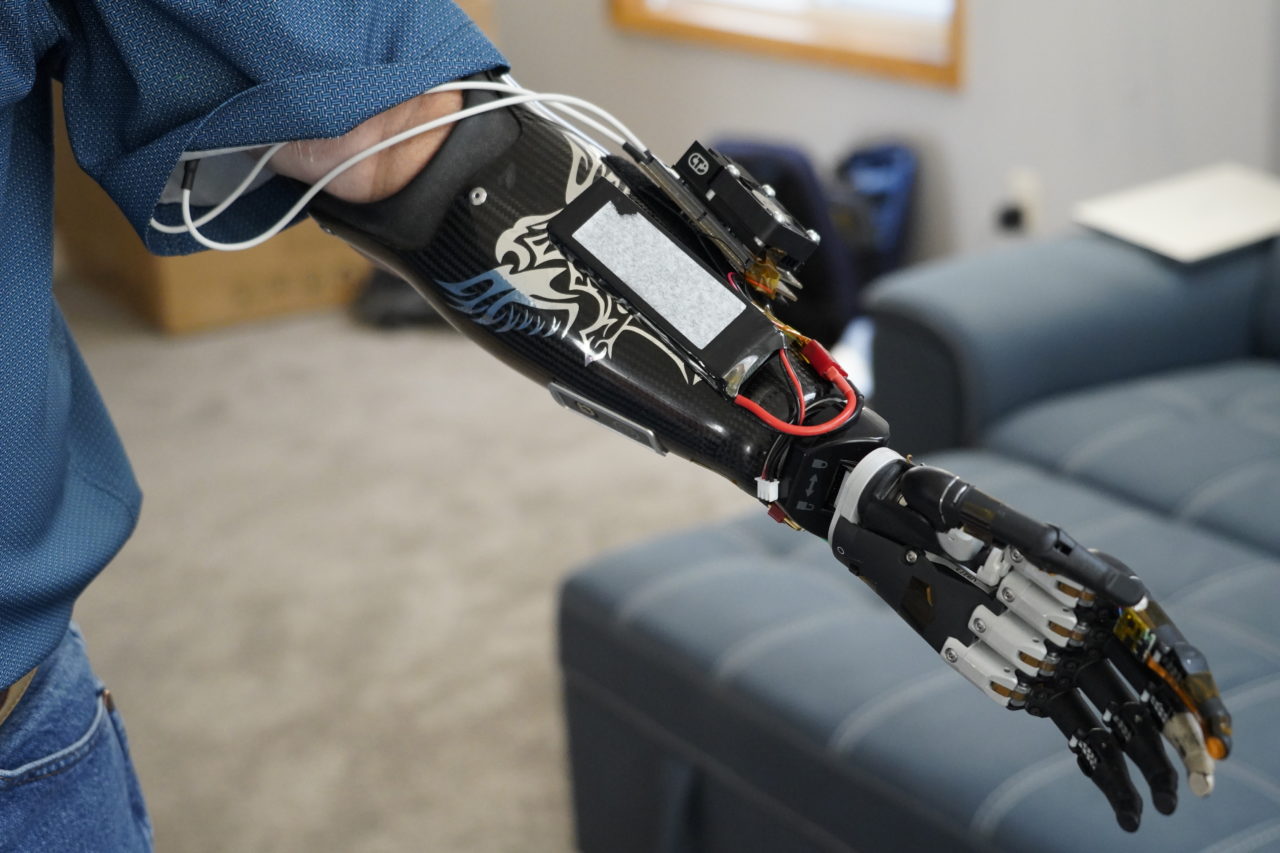
Revolutionary Bionic Limbs: Harnessing Brain Signals for Enhanced Mobility in Amputees

Revolutionizing Bionic Limb Integration: Advances in Amputee Mobility

Recent advancements in bionic limb technology are transforming the lives of amputees, bringing us closer to a future where artificial limbs function seamlessly with the human body. A groundbreaking clinical trial has showcased a pioneering method that enhances the integration of bionic prostheses by surgically reconstructing muscle pairs. This innovative approach allows amputees to control robotic limbs through brain signals, significantly improving their ability to navigate obstacles and tackle stairs with greater ease and confidence.

The Anatomics Approach

Unlike traditional prosthetic designs, which often treat the human body as a limiting factor, bioengineer Tyler Clites advocates for an “anatomics” approach. This method seeks to harmonize the body with machinery by reconfiguring muscles, bones, and nerves to establish a more natural communication pathway between the bionic limb and the nervous system. By leveraging biological components, the prostheses can replicate natural movements and enhance proprioception—the body’s ability to sense its position and movement in space. This shift in perspective emphasizes the importance of creating a synergy between human anatomy and technology, fostering a more intuitive user experience.

Agonist-Antagonist Myoneural Interface (AMI)

At the heart of this integration is the agonist-antagonist myoneural interface (AMI) technique. By reconstructing muscle pairs, this innovative method allows users to perceive movements in their prosthetic limb as if they were part of their own body. In a recent trial involving AMI surgery, participants experienced a remarkable 40% increase in walking speed, bringing them closer to the pace of non-amputees. This improvement not only enhances mobility but also boosts the psychological well-being of users, as they can engage more freely in daily activities without the limitations often associated with conventional prosthetics.

Implications for the Future of Prosthetics

The success of the AMI technique and the anatomics approach marks a significant milestone in the field of prosthetics. As researchers continue to refine these methods, the potential for creating bionic limbs that feel and function like natural limbs is becoming a tangible reality. This progress opens the door to further innovations in rehabilitation, making it easier for amputees to adapt to their new prosthetics and regain independence. The implications extend beyond mobility; they challenge societal perceptions of disability, empowering individuals to reclaim their active roles in their communities.

A New Era for Amputees

As bionic limb technology continues to evolve, the focus on integrating these devices with the human body signifies a paradigm shift in prosthetic design. The advancements made through the AMI technique and the anatomics approach underscore the potential for a future where amputees can experience enhanced mobility and a higher quality of life. By bridging the gap between biology and technology, researchers are not only improving physical capabilities but also fostering a renewed sense of hope and possibility for individuals living with limb loss. The journey towards seamless integration is just beginning, but the path ahead is filled with promise and potential.