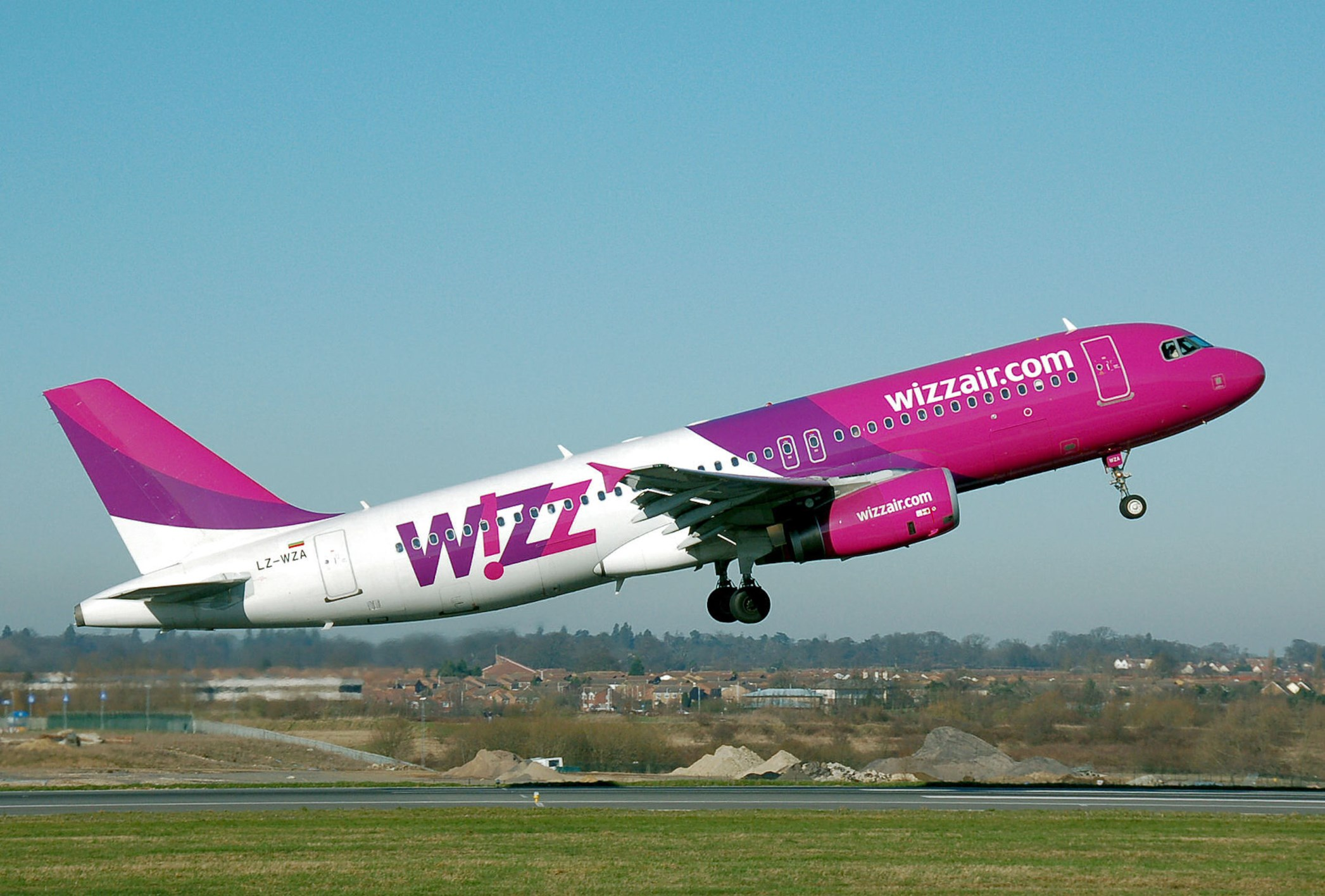
Wizz Air Introduces $550 ‘All You Can Fly’ Annual Subscription Pass for Unlimited European Travel

Wizz Air, a popular budget airline in Europe, has launched a groundbreaking travel subscription service offering unlimited flights for a yearly fee of 499 euros ($550). This “all you can fly” pass allows travelers to book both one-way and roundtrip flights to any of the airline’s international destinations throughout the year. The introductory price is available until Friday, after which the cost will rise to 599 euros.

The pass enables passengers to book flights up to three days before departure, with the booking window opening in September. However, each flight booked will require an additional flat fee of 9.99 euros, and any luggage beyond a personal item will incur extra charges.

Wizz Air plans to initially release 10,000 of these memberships, with seat availability subject to external and internal factors. This move follows similar subscription offerings by U.S. airlines like Frontier Airlines, which launched its $599 unlimited Go Wild! pass for North American routes last year. While European airlines have offered multiflight bundles, unlimited flight packages are relatively new in the region.

The introduction of this pass comes as Wizz Air faces challenges in profitability and customer satisfaction. The Hungarian airline recently reported a 44% drop in first-quarter operating profit, and it ranked last in a consumer group survey of short-haul European carriers. CEO Jozsef Varadi cited supply constraints and inflationary pressures as factors impacting the airline’s short-term outlook.

Wizz Air, which operates flights to destinations like the Maldives, Cairo, and Dubai, has also expressed interest in expanding its routes from Europe to India. This new subscription service represents an innovative attempt to attract more passengers and stabilize the airline’s financial performance amidst a competitive and evolving travel market.


 

WHO Declares Mpox a Global Public Health Emergency Amid New Outbreak in Africa

The World Health Organization (WHO) has once again declared mpox a global public health emergency, marking the second such declaration in two years. The latest outbreak began in the Democratic Republic of Congo and has rapidly spread to neighboring countries, including Burundi, Kenya, Rwanda, and Uganda, prompting the WHO to take swift action. Mpox, a viral infection that spreads through close contact, typically presents with flu-like symptoms and pus-filled lesions on the body. While generally mild, it can be fatal in rare cases.

The current outbreak in Congo initially involved an endemic strain known as clade I, but a new variant, clade Ib, has emerged, which appears to spread more easily through routine close contact, including sexual contact. This variant’s rapid spread across multiple African nations has raised alarms, leading to the WHO’s decision to declare a “public health emergency of international concern” (PHEIC), the organization’s highest level of alert.

This designation is crucial as it can accelerate global research, funding, and public health measures to contain the outbreak. WHO Director-General Tedros Adhanom Ghebreyesus emphasized the importance of a coordinated international response to prevent further spread and save lives.

The situation in Africa is particularly concerning, with the continent’s top public health body, the Africa Centres for Disease Control and Prevention, also declaring an mpox emergency earlier this week. The continent has reported over 17,000 suspected cases and 517 deaths this year alone, a significant 160% increase compared to the same period last year. So far, 13 African countries have reported cases of the viral infection.

This is not the first time mpox has triggered a global health emergency. In 2022, a different form of the virus, clade IIb, spread internationally, primarily through sexual contact among men who have sex with men. The WHO had declared a public health emergency at that time as well, which was lifted 10 months later after the outbreak was contained.

The reemergence of mpox as a global health threat underscores the need for vigilant monitoring, rapid response, and international cooperation to prevent further escalation of the outbreak.


U.S. Inflation Slows to Below 3% as Consumer Prices Rise Moderately

In July, U.S. consumer prices experienced a moderate rise, with the annual inflation rate dropping to below 3% for the first time in over three years. This development, reported by the Labor Department, signals a continuation of the downward trend in inflation, providing potential room for the Federal Reserve to consider an interest rate cut in its upcoming meeting. The report marks the third consecutive month of tame inflation readings, aligning with evidence that consumers are becoming more price-sensitive, opting for bargains and lower-priced alternatives.

Despite the easing inflation, the cost of rent saw a notable increase in July, keeping the overall inflation rate above the Fed’s 2% target. Economists believe that while a rate cut is likely, it may not be as aggressive as some have speculated unless there is a significant downturn in the labor market. The recent rise in the unemployment rate to 4.3% adds complexity to the Fed’s decision-making process, as it suggests a mixed economic environment.

The Consumer Price Index (CPI) increased by 0.2% in July, matching economists’ expectations. The shelter cost, including rent, was a major driver of this increase, accounting for nearly 90% of the CPI’s rise. Food prices also continued to climb, with notable increases in items like eggs and meats, which could influence voter sentiment ahead of the November presidential election.

Over the past 12 months, the CPI rose by 2.9%, marking the first time it has fallen below 3% since March 2021. This slowdown in inflation is largely attributed to higher borrowing costs that have cooled consumer demand. However, the core CPI, which excludes volatile food and energy prices, remains sticky, particularly due to rising rental costs, which pose a challenge to achieving the Fed’s inflation goals.

Market reactions to the inflation data were mixed, with Wall Street stocks showing varied performance and U.S. Treasury yields dipping slightly. Financial markets have increased the likelihood of a 25-basis-point rate cut in September but remain skeptical of a larger 50-basis-point reduction.

Overall, while inflation is trending downward, persistent issues like rising rent and mixed economic signals suggest that the path to reaching the Fed’s inflation target will be gradual and cautious.