Plane Crash in São Paulo State Claims Lives of All 62 Onboard

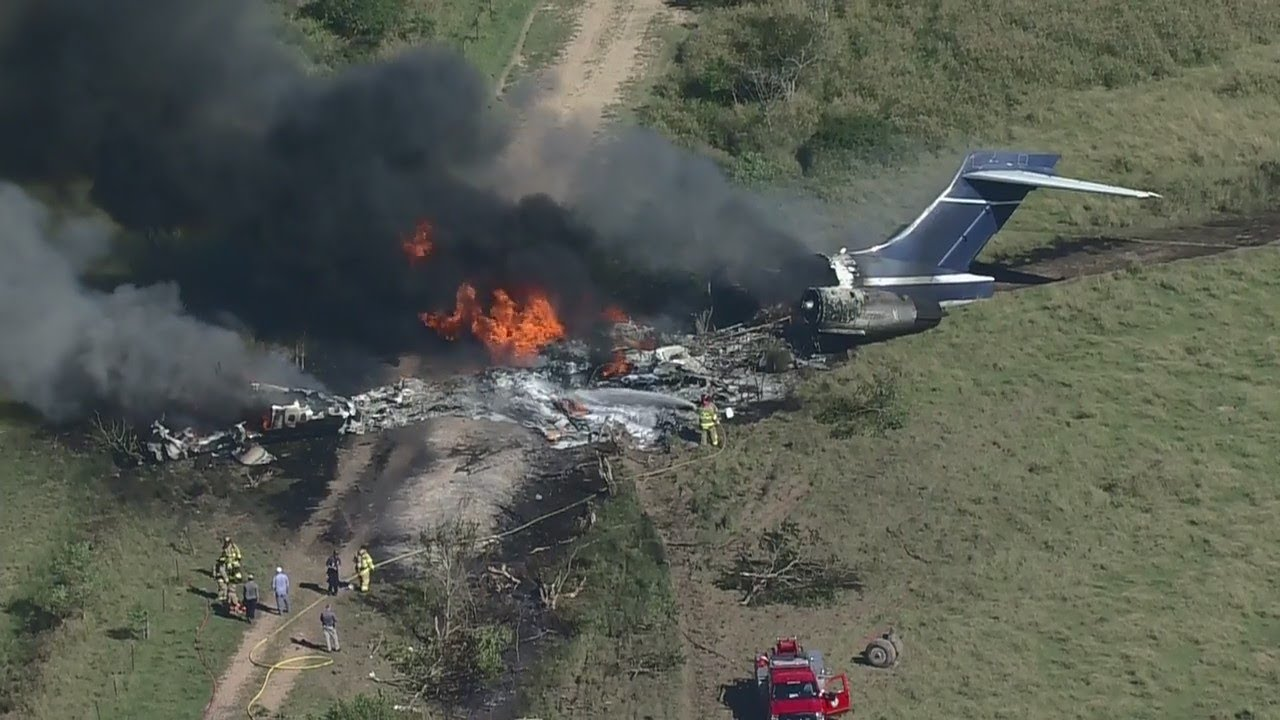
A tragic plane crash in São Paulo, Brazil, has resulted in the deaths of all 62 people on board. The twin-engine turboprop, operated by Voepass, was en route from Cascavel in Paraná to São Paulo city when it crashed in the town of Vinhedo.

Social media footage captured the plane descending vertically and spiraling before impact. The aircraft, carrying 58 passengers and four crew members, crashed into a residential area, but miraculously, no one on the ground was injured. The impact damaged one home in a condominium complex, though none of the residents were hurt.
Local media, including GloboNews, reported a large fire and smoking wreckage in the residential area. Emergency services, including police and fire teams, have responded to the scene, and local hospitals are on high alert.

The plane, an ATR 72-500 built in 2010, took off from Cascavel at 11:56 local time (14:56 GMT). The last signal from the aircraft was received about an hour and a half later. Brazilian President Luiz Inácio Lula da Silva expressed his condolences, calling the news “very sad” and extending solidarity to the victims’ families.

Valinhos, a nearby town, dispatched 20 emergency personnel to the crash site, and São Paulo’s governor, Tarcísio de Freitas, is also en route. ATR, the plane’s manufacturer, has pledged support for the investigation and expressed sympathy for those affected.

Signal Messenger Blocked in Russia for Violating Anti-Terrorism Laws

Russia’s state communications watchdog, Roskomnadzor, has announced that Signal, an encrypted messaging app, has been blocked in the country for failing to comply with anti-terrorism laws. According to Interfax news agency, the block is due to Signal’s alleged violation of regulations designed to prevent messaging apps from being used for terrorist and extremist purposes.

Before Roskomnadzor’s formal announcement, hundreds of Signal users reported glitches with the app. Over 1,500 complaints were noted, primarily from Moscow and St. Petersburg. Users observed that while the app appeared to function normally when accessed through a VPN or in censorship bypass mode, it was otherwise inaccessible. Mikhail Klimarev, author of the Telegram channel “For Telecom,” confirmed that this issue is indicative of a government-imposed block rather than a technical malfunction on Signal’s part.

Signal users attempting to register new accounts without a VPN encountered a “Server Error” message, reinforcing the suspicion that the block is intentional. Signal has yet to respond to requests for comment.

This move follows Russia’s previous attempt to block Telegram in 2018, which, despite disrupting some third-party services, had minimal impact on Telegram’s availability within the country.


UK Reconsiders Social Media Regulation Following Far-Right Riots

In response to a week of far-right riots fueled by false information spread online, the British government is reviewing potential changes to the Online Safety Act, aimed at regulating social media companies. Although the act was passed in October, it will not be enforced until early next year. Currently, the act allows the government to fine social media companies up to 10% of their global turnover if they fail to police illegal content, such as incitements to violence or hate speech. However, proposed amendments may enable Ofcom, the UK’s communications regulator, to sanction companies for allowing “legal but harmful” content, such as misinformation, to proliferate.

The Labour government, which recently took office, inherited this legislation from the Conservatives, who spent considerable time balancing free speech rights with the need to address online harms. A recent YouGov survey of over 2,000 adults revealed that 66% believe social media companies should be held accountable for posts that incite criminal behavior, and 70% feel these companies are not strongly regulated enough. Additionally, 71% of respondents said that social media platforms did not do enough to counter misinformation during the riots.

Key figures have weighed in on the issue. Cabinet Office minister Nick Thomas-Symonds stated that the government is prepared to revisit the law’s framework, while London Mayor Sadiq Khan expressed that the Online Safety Act may need amendments in light of the recent unrest. The riots, sparked by misleading online posts falsely identifying the suspect in a knife attack, underscore the urgency of effective social media regulation.