CVS Slashes Profit Guidance Amid Rising Insurance Costs

CVS Health has significantly reduced its full-year profit forecast and announced a plan to cut $2 billion in expenses over several years. This comes as rising medical costs impact the company and the broader U.S. insurance industry. The cost-cutting measures aim to streamline operations, increase the use of artificial intelligence and automation, and reassess the business portfolio.

A major leadership change accompanied the announcement: Aetna President Brian Kane will leave the company immediately. CVS CEO Karen Lynch will take over the management of the insurance unit, assisted by CFO Thomas Cowhey and Katerina Guerraz, who will become the unit’s chief operating officer.

CVS now expects adjusted earnings for 2024 to be between $6.40 and $6.65 per share, down from a previous minimum of $7 per share. The company also reduced its unadjusted earnings guidance to $4.95 to $5.20 per share from at least $5.64 per share. This marks the third consecutive quarter of lowered profit guidance, reflecting ongoing pressures on its health insurance segment due to increased medical costs and unfavorable Medicare Advantage star ratings.

The health insurance division, which includes Aetna’s plans for the Affordable Care Act, Medicare Advantage, Medicaid, dental, and vision, is under strain. Medical costs in the second half of the year are expected to surpass those in the first half, potentially requiring a premium deficiency reserve to cover future claims and expenses.

The broader industry context is also challenging. Insurers like UnitedHealth Group, Humana, and Elevance Health are seeing increased medical costs as more Medicare Advantage patients resume procedures delayed during the pandemic. Medicare Advantage plans, though a growth driver, are facing cost concerns, which is troubling Wall Street.

In the second quarter, CVS reported adjusted earnings per share of $1.83, surpassing the expected $1.73, on revenues of $91.23 billion, slightly below the anticipated $91.5 billion. The company saw a net income of $1.77 billion, down from $1.90 billion a year earlier. While the insurance segment’s revenue rose over 21% to $32.48 billion, its operating income fell short of expectations, and the medical benefit ratio increased, indicating higher medical expenses relative to premiums.

CVS’s health services segment saw a revenue decline of nearly 9% year-over-year to $42.17 billion, despite higher-than-expected sales. The pharmacy and consumer wellness division’s sales increased by over 3% to $29.84 billion but fell short of expectations, driven by increased prescription volume amidst pressures from pharmacy reimbursement and the launch of new generic drugs.


US Safety Board to Scrutinize FAA Oversight of Boeing

The National Transportation Safety Board (NTSB) has initiated a hearing to examine the Federal Aviation Administration’s (FAA) oversight of Boeing following a serious safety incident involving a 737 MAX 9 aircraft in January. This mid-air emergency has prompted the NTSB to question the FAA’s regulatory actions and procedures regarding Boeing’s operations.

NTSB Chair Jennifer Homendy expressed concerns about why the FAA had not taken earlier action, despite being aware of various issues, including defects, missing and incorrect documents, and flawed policies that have persisted for years. The hearing’s first day focused on Boeing’s actions leading up to the incident, while the second day delved into the FAA’s oversight practices.

Homendy questioned the effectiveness of FAA audits and whether Boeing had prior notice of these reviews. She criticized the FAA for being too focused on paperwork rather than conducting thorough inspections. Following the incident, the FAA restricted Boeing from increasing production beyond 38 planes per month, initiated a 90-day review of the company, and mandated significant quality and manufacturing improvements before permitting any production increase.

FAA Administrator Mike Whitaker acknowledged in June that the agency had been “too hands off” in its oversight of Boeing, emphasizing that their previous approach relied too heavily on paperwork audits instead of inspections. The FAA has since increased the number of inspectors at Boeing and Spirit AeroSystems factories and pledged to continue rigorous oversight to address systemic production-quality issues.

In response to the incident, Senate Commerce Committee Chair Maria Cantwell and Senator Tammy Duckworth introduced legislation aimed at reviewing and strengthening safety management systems at the FAA. Cantwell highlighted that the FAA had conducted 298 audits of Boeing and Spirit AeroSystems over two years without identifying any enforcement issues, indicating that the audits were ineffective.

The NTSB hearing underscores the need for a more proactive and thorough oversight approach by the FAA to ensure Boeing’s compliance with safety standards and to prevent future incidents.

US 30-Year Mortgage Rate Drops on Weak Jobs Data and Fed Rate-Cut Signals

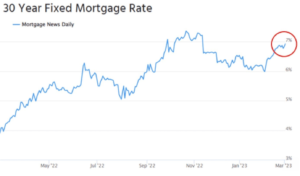
The interest rate for the most popular U.S. home loan plunged last week to its lowest level in 15 months. This decline followed signals from the Federal Reserve that it could start cutting its policy rate in September, alongside weak job market data bolstering financial market bets on significant reductions in borrowing costs. The average contract rate on a 30-year fixed-rate mortgage dropped 27 basis points to 6.55% in the week ended August 2, according to the Mortgage Bankers Association. This was the lowest rate since May 2023 and marked the sharpest drop in two years.

This decline offers potential homebuyers some relief in an increasingly unaffordable housing market, where home prices and borrowing costs have both risen significantly. According to Fannie Mae’s housing sentiment index for July, only 17% of respondents felt it was a good time to buy a home, down from 19% in June, with 35% stating they would rent their next residence—the highest share since 2011. Doug Duncan, chief economist at Fannie Mae, noted that this sentiment might reflect buyer fatigue or a deeper disenchantment with the market.

The drop in interest rates also presents an opportunity for homeowners who purchased at higher rates to refinance and reduce their payments. Refinancing applications rose sharply to the highest level in two years, helping to increase the refinance share of overall loan applications to 41.7%. However, purchase activity edged up by less than 1%, constrained by low inventory and high prices.

The Federal Reserve’s aggressive rate hikes in 2022 and 2023 had driven borrowing costs to their highest levels in decades. However, cooling inflation and a slowing labor market have led to signals that a policy rate cut could be on the table as early as next month. The Labor Department’s latest jobs report showed an increase in the unemployment rate to 4.3% in July and a slowdown in hiring, raising fears of an imminent recession.

This labor market data triggered a rally in U.S. Treasuries, lowering yields and pulling mortgage rates down. Interest rate futures now reflect bets that the Fed will cut its policy rate by a full percentage point by the end of this year, starting with a reduction of half a percentage point next month. Despite these developments, a significant portion of homeowners hold mortgages with rates below 4%, suggesting that mortgage rates would need to drop further to make refinancing or purchasing a new home appealing.