Synchron Connects Brain Implant to Apple’s Vision Pro, Enabling Mind-Control for Patients with Limited Mobility

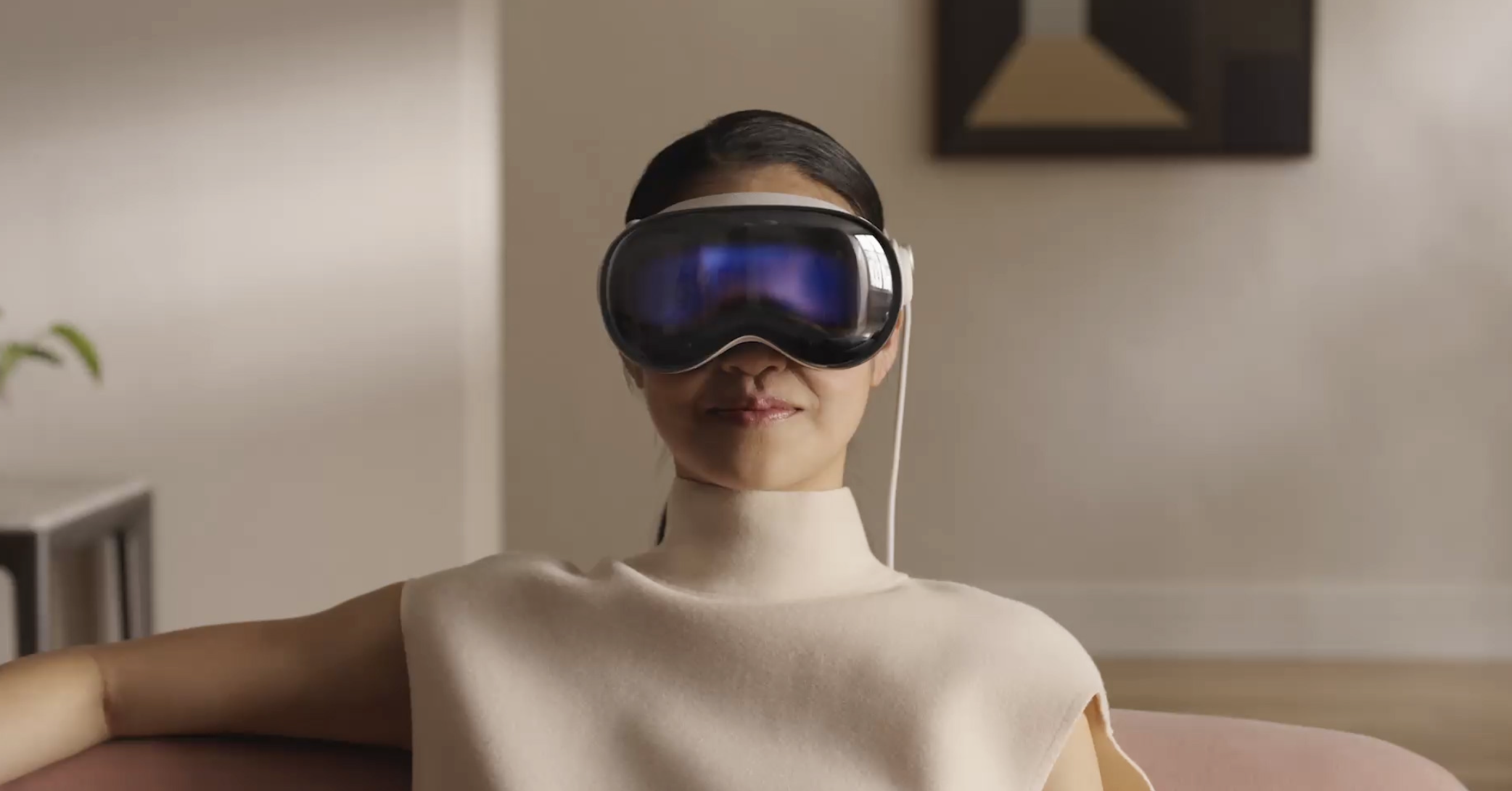
Neurotech startup Synchron announced on Tuesday that it has successfully connected its brain implant to Apple’s Vision Pro headset. This breakthrough allows patients with limited physical mobility to control the device using only their thoughts.
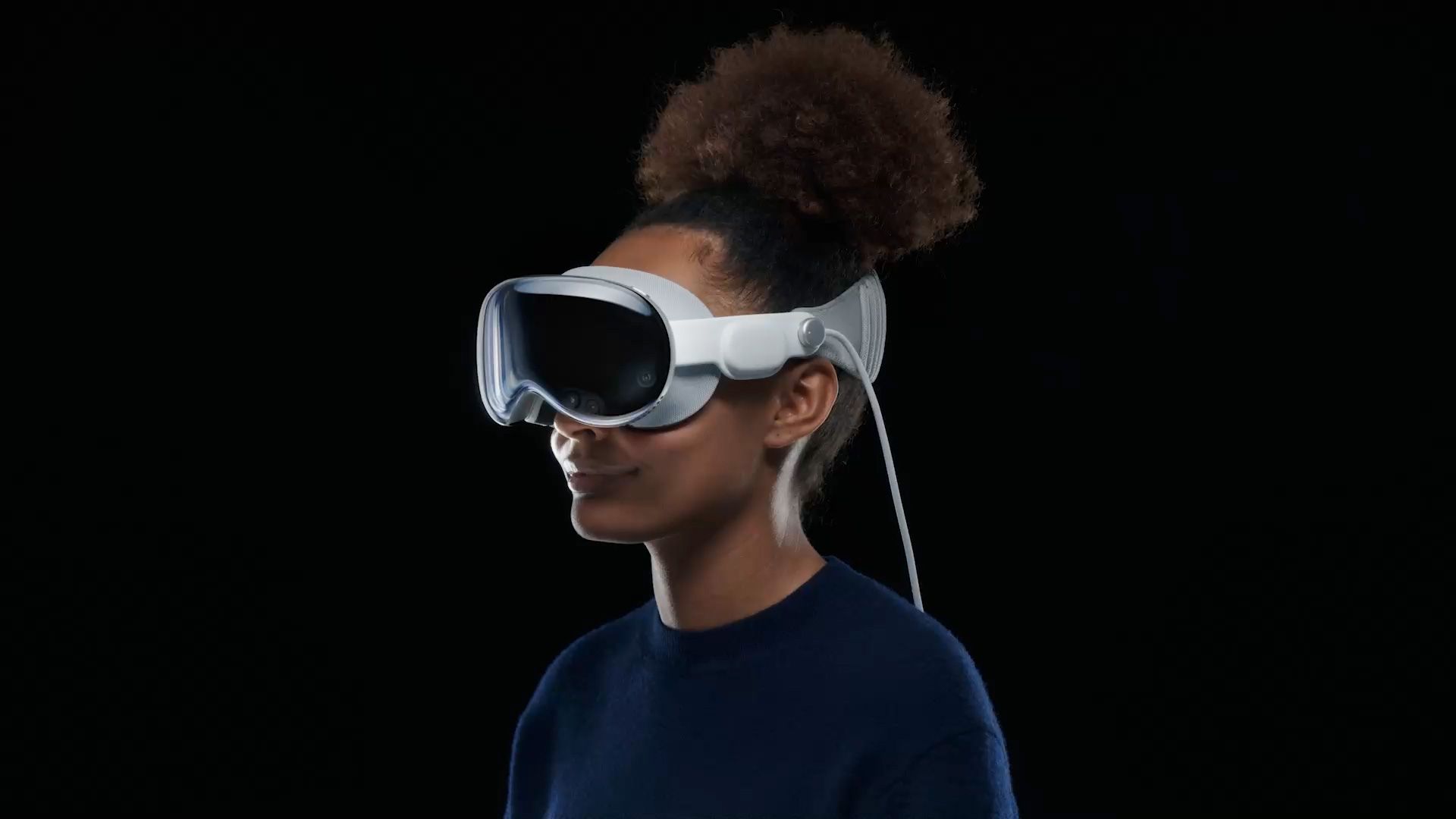
Synchron is developing a brain-computer interface (BCI) to help patients with paralysis operate technology like smartphones and computers. The company has implanted its BCI in six patients in the U.S. and four in Australia, and is awaiting approval from the U.S. Food and Drug Administration to commercialize its technology further.

The Vision Pro, which Apple released earlier this year, is typically controlled by eye movements, voice commands, and hand gestures. Synchron’s integration aims to make the device accessible to patients who cannot speak or move their upper limbs. Synchron CEO Thomas Oxley praised Apple’s iOS accessibility platform as best in class and noted that the company focused on Apple’s ecosystem first. He also mentioned that Apple has been very supportive of the Vision Pro integration.

Synchron is part of a competitive BCI industry that includes companies like Paradromics, Precision Neuroscience, Blackrock Neurotech, and Elon Musk’s Neuralink. Synchron’s BCI is unique in that it is inserted through a patient’s jugular vein, avoiding the need for open brain surgery. The device is delivered to the blood vessel on the brain’s motor cortex surface and connected to an antenna under the skin in the chest. This antenna collects brain data and sends it to external devices.

Instagram Permanently Deletes Some Users’ Story Archives Due to Bug

On Wednesday, Instagram users received unsettling notifications: certain photos and videos from their Stories archives have been permanently deleted. The app displayed messages such as “This story is no longer available” and “Due to a technical issue, this story is no longer available. While we’ve since fixed this issue, your story can’t be restored.”

Meta, Instagram’s parent company, confirmed that the deletion was caused by a bug that has now been fixed, but it is unable to restore the lost content. The company declined to disclose the number of affected users but assured that the error message would be resolved by July 2025.

Instagram Stories are typically ephemeral, disappearing after 24 hours, but users often save them to their Story Archives or Highlights. These archives can serve as a digital diary, including everything from memes to vacation photos. Unlike regular photos, Instagram Stories are not automatically saved to users’ camera rolls unless manually set, making the archives a primary storage for many.

This incident highlights the importance of backing up important media outside of a single platform to avoid such losses in the future.

Tesla Car in ‘Full Self-Driving’ Mode Kills Seattle Motorcyclist

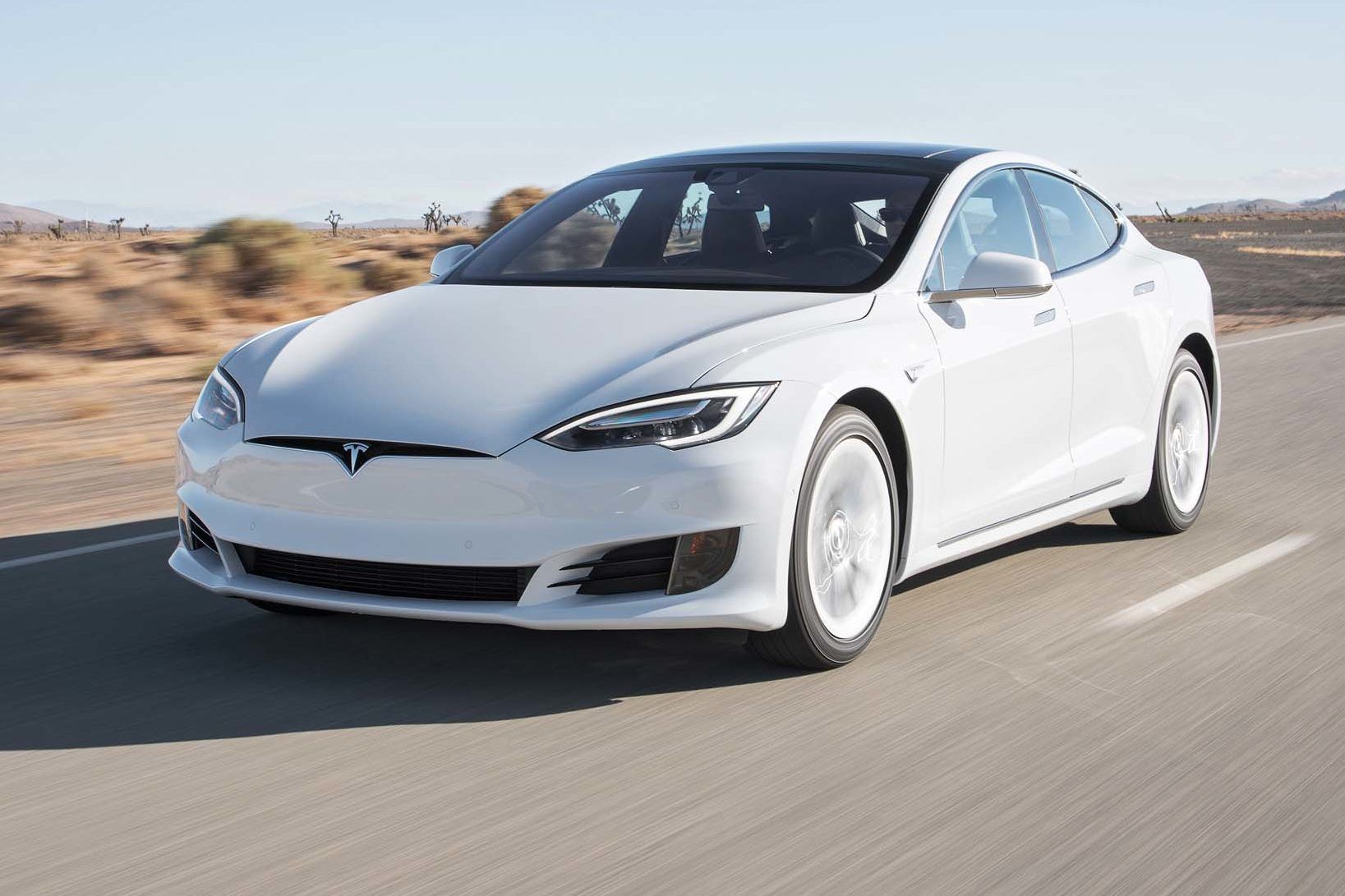
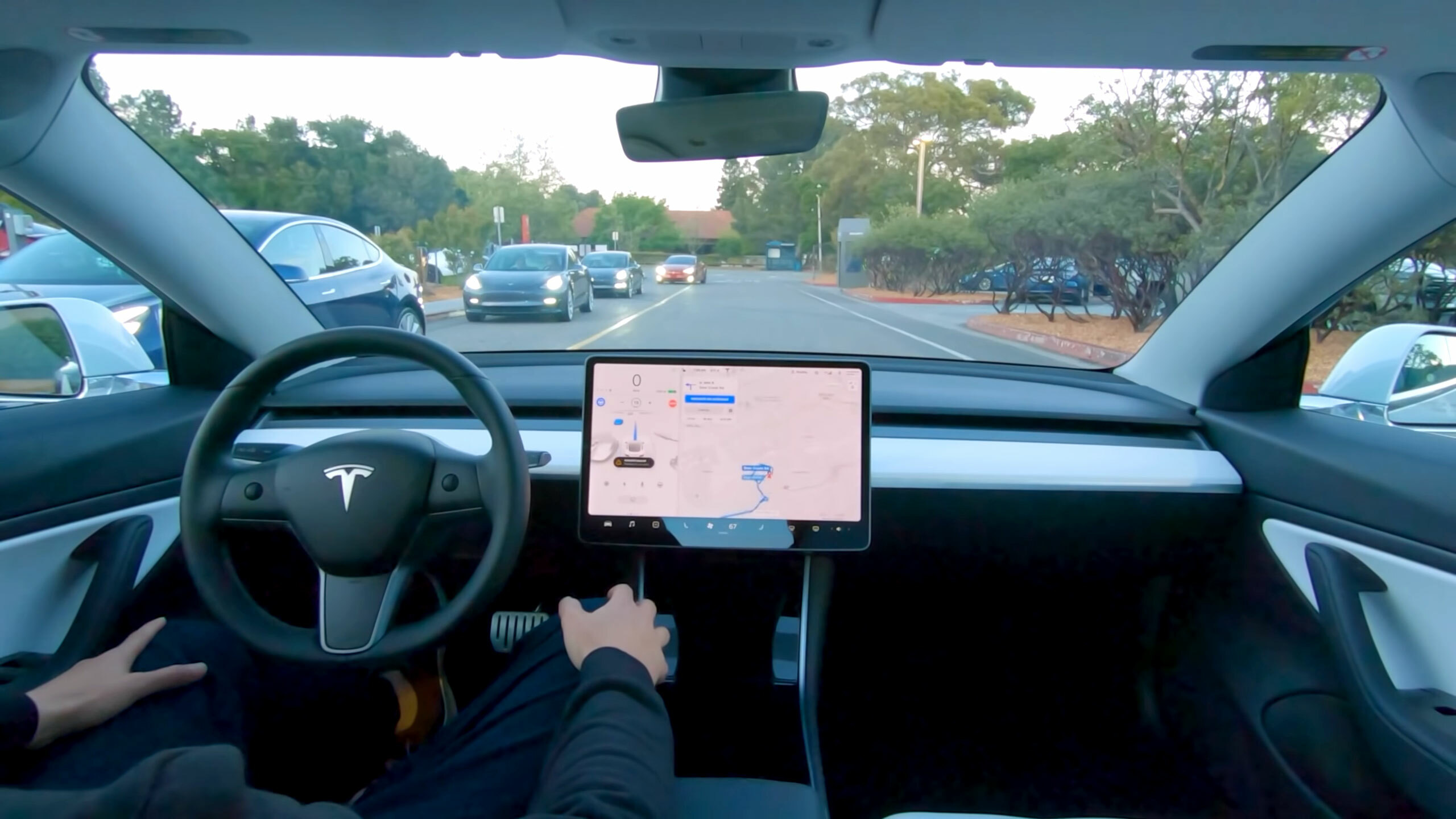
A Tesla Model S car, operating in “Full Self-Driving” (FSD) mode, was involved in a fatal accident that killed a 28-year-old motorcyclist in the Seattle area in April, police confirmed. This incident marks at least the second fatal accident involving Tesla’s FSD technology.

The 56-year-old driver of the Tesla was arrested on suspicion of vehicular homicide after admitting to looking at his cell phone while using the driver assistance feature. Tesla states that its FSD software requires active driver supervision and does not make vehicles autonomous.

The National Highway Traffic Safety Administration (NHTSA) is aware of the crash and is gathering information. The NHTSA had previously reported one fatal accident involving a Tesla vehicle using FSD software between August 2022 and August 2023.

Experts point out the limitations of Tesla’s camera-dependent system, highlighting the challenges of accurately detecting objects and measuring distances. Tesla’s rivals, such as Alphabet’s Waymo, use additional sensors like lidars to enhance driving environment detection.

This incident comes as Elon Musk continues to push for the development of self-driving vehicles. Despite growing regulatory scrutiny and previous recalls, Musk remains optimistic about achieving full self-driving capability.